Electrical Calibration
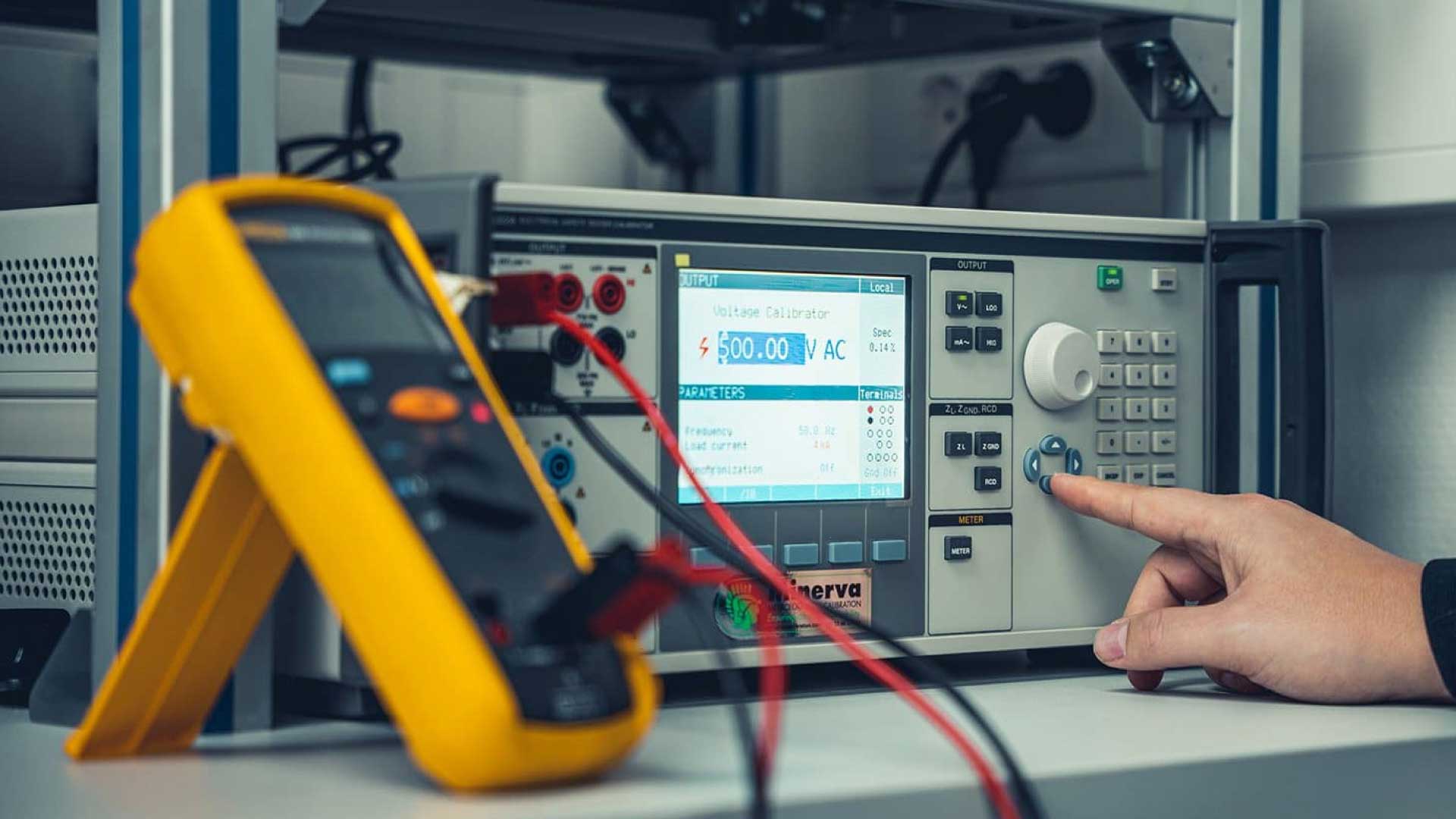
In today’s industrial and technological world, Electrical Calibration plays a crucial role in maintaining the precision, safety, and reliability of electrical equipment and instruments. Whether in laboratories, power plants, or manufacturing facilities, calibration ensures that instruments perform accurately according to defined standards. Without proper calibration, even the most advanced devices can produce errors that may lead to costly downtime, safety risks, or failed compliance tests.
What is Electrical Calibration?
Electrical Calibration is the process of verifying and adjusting the accuracy of electrical measuring instruments by comparing them with a standard reference. These instruments include multimeters, clamp meters, oscilloscopes, power analyzers, and various other electrical testing devices.
During the calibration process, the readings of the test instrument are compared with those from a standard device that has a known accuracy traceable to international or national standards. Any detected deviation is corrected to ensure precise performance.
Calibration not only improves accuracy but also enhances confidence in measurement results, which is essential for maintaining quality and safety across industrial operations.
Why Electrical Calibration is Important
Electrical calibration is not just a technical requirement—it’s a necessity for ensuring operational efficiency and product quality. Here are several key reasons why it is so important:
-
Accuracy Assurance:
Over time, electrical instruments tend to drift due to usage, temperature changes, or mechanical stress. Calibration ensures the readings remain within acceptable accuracy limits. -
Regulatory Compliance:
Many industries, such as power & energy, manufacturing, and healthcare, must comply with national and international standards like ISO, IEC, or NABL. Regular calibration helps meet these compliance requirements. -
Safety and Reliability:
Incorrect readings from uncalibrated instruments can lead to serious electrical faults or even accidents. Calibration ensures devices operate safely and reliably. -
Cost Efficiency:
Accurate instruments help detect issues early, reducing unnecessary repairs and avoiding costly downtime in production. -
Customer Trust:
For companies providing testing or inspection services, maintaining calibrated instruments strengthens client confidence and ensures service credibility.
Common Instruments that Require Electrical Calibration
A wide range of electrical devices requires calibration to maintain accuracy. Some of the most common include:
-
Digital and Analog Multimeters
-
Clamp Meters
-
Power and Energy Meters
-
Oscilloscopes
-
Insulation Testers
-
Earth Resistance Testers
-
Function Generators
-
Frequency Counters
-
Phase Meters
-
Power Analyzers
Each of these instruments has its own calibration procedure depending on the measurement type—voltage, current, frequency, resistance, or power factor.
The Electrical Calibration Process
The process of calibration typically follows a systematic approach:
-
Initial Inspection:
The instrument is visually inspected for damage or wear. Any visible defect is noted before testing. -
Reference Setup:
A highly accurate reference standard is set up. This device has a known traceable calibration certificate. -
Measurement Comparison:
The test instrument readings are compared against the reference readings under controlled conditions. -
Adjustment (if required):
If deviations are found, adjustments are made to align the instrument’s performance with the standard. -
Certification:
A calibration certificate is issued that includes details such as test results, uncertainties, and traceability information.
This documented certification serves as proof of compliance and ensures traceability to recognized standards.
Industries That Depend on Electrical Calibration
Almost every industry that relies on electrical equipment benefits from calibration. Some of the major sectors include:
-
Power Generation and Distribution
-
Manufacturing and Industrial Automation
-
Oil and Gas
-
Telecommunications
-
Healthcare and Medical Equipment Testing
-
Research Laboratories
-
Aerospace and Defense
In these industries, even a small deviation in electrical measurements can have large-scale consequences. Hence, maintaining accurate calibration schedules is critical.
Benefits of Professional Calibration Services
Relying on a professional calibration service provider ensures accuracy, traceability, and compliance. Some of the advantages include:
-
Advanced Equipment and Standards – Professionals use high-precision reference standards traceable to national or international labs.
-
Certified Technicians – Skilled experts ensure accuracy and reliability during every step of the process.
-
Detailed Reporting – Comprehensive calibration certificates are provided with traceable records.
-
On-site and Laboratory Calibration Options – Flexible calibration services based on customer requirements.
-
Reduced Downtime – Quick turnaround time ensures your instruments return to operation swiftly.
Electrical calibration is essential for maintaining measurement accuracy, ensuring product quality, and achieving regulatory compliance across industries. Regular calibration enhances the reliability of instruments, prevents unexpected failures, and supports smooth operations.
By partnering with a trusted calibration service provider, businesses can maintain confidence in their electrical systems, ensuring that every reading counts with precision and reliability.
Topics