Eye & Face Protection
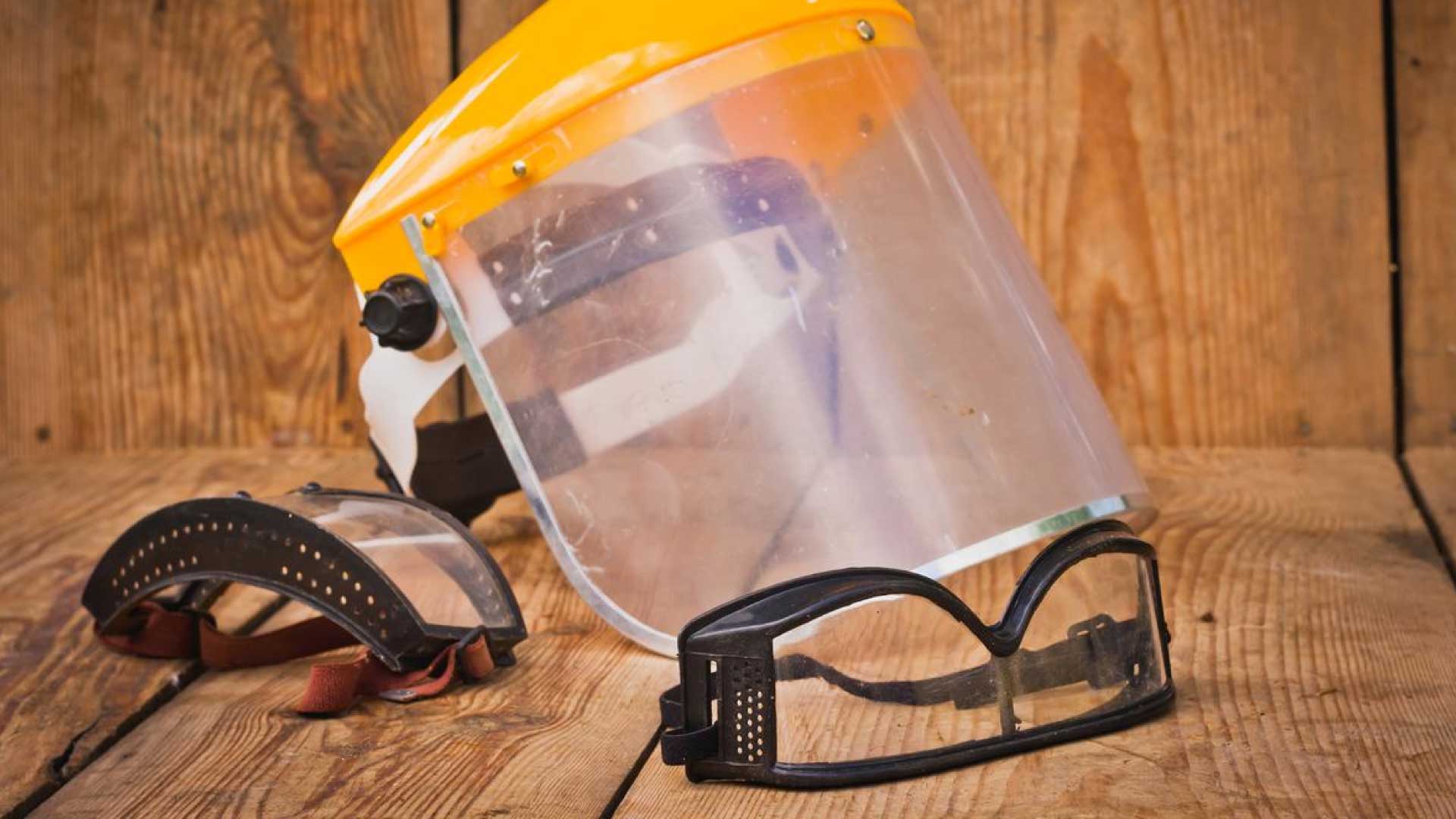
Eye and face protection is one of the most critical aspects of workplace safety, especially in industries where employees are exposed to hazards such as flying debris, chemical splashes, harmful radiation, or intense light. Protecting these vulnerable areas not only prevents injuries but also ensures long-term health and productivity. Unfortunately, eye and face injuries remain common in sectors like construction, manufacturing, healthcare, and chemical processing, making the adoption of proper protective measures a non-negotiable part of workplace safety programs.
Importance of Eye & Face Protection
The human eye is highly delicate and susceptible to damage. Even minor injuries, like scratches or foreign particles, can lead to severe complications or permanent vision loss. Similarly, the skin on the face is exposed and can suffer burns, cuts, or chemical damage if not properly shielded. Workplace accidents are often sudden and unpredictable, and without the correct protective gear, employees risk long-term consequences.
Eye and face protection equipment (PPE) includes a wide range of products designed to shield against specific hazards. Safety goggles, face shields, welding masks, and full-face respirators are just a few examples. Each type of PPE is engineered to address particular risks. For instance, goggles protect against dust, chemicals, and particles, while face shields offer broader protection against splashes, sparks, or heat.
Proper eye and face protection not only prevents injuries but also helps organizations comply with occupational safety regulations. In countries like Bangladesh, regulatory standards require workplaces to provide adequate PPE to employees. By ensuring compliance, companies minimize liability risks while fostering a safety-first culture.
Types of Eye & Face Protection
Selecting the right type of eye and face protection depends on the workplace environment and the nature of hazards. Some of the most common types include:
1. Safety Goggles:
Safety goggles are designed to create a secure shield around the eyes, protecting against particles, dust, and chemical splashes. They are ideal for laboratory work, chemical handling, and woodworking industries. Anti-fog and anti-scratch features further enhance comfort and durability.
2. Face Shields:
Face shields provide full-face coverage and are typically worn over goggles for additional protection. They are especially useful in welding, metal cutting, or handling corrosive chemicals. The transparent shield ensures visibility while guarding against sparks, liquids, and debris.
3. Welding Masks:
Welding masks protect against intense light, ultraviolet (UV) radiation, and flying sparks. Modern welding helmets often include auto-darkening filters, which adjust the lens shade automatically, allowing welders to work safely without manually changing the filter.
4. Full-Face Respirators:
For environments where airborne contaminants like gases, vapors, or fine particles are present, full-face respirators provide comprehensive protection for both the eyes and respiratory system. These are common in chemical plants, painting workshops, and laboratories.
5. Impact-Resistant Eyewear:
Industries involving high-speed machinery require impact-resistant eyewear. Made from materials like polycarbonate, these glasses can withstand high-velocity particles, ensuring eye safety during mechanical work.
Best Practices for Using Eye & Face Protection
Wearing the right PPE is not enough. Proper usage and maintenance are equally important to ensure maximum safety. Employees should always select gear certified by safety standards organizations. Regular cleaning and inspection are essential to avoid reduced visibility or compromised protection.
Training is another vital aspect. Employees must understand the types of hazards present and the correct methods for wearing and adjusting protective equipment. Comfortable fit, secure straps, and proper lens coverage are small but critical details that prevent accidental exposure.
Workplace policies should encourage a culture of safety where eye and face protection is mandatory in designated areas. Clear signage, accessible PPE stations, and consistent enforcement help reinforce compliance and reduce the risk of accidents.
Investing in high-quality eye and face protection may seem like an upfront cost, but it pays off by reducing workplace injuries, medical expenses, and downtime. Companies that prioritize safety experience increased employee confidence and productivity, as workers feel secure and valued.
Topics