Flow Calibration
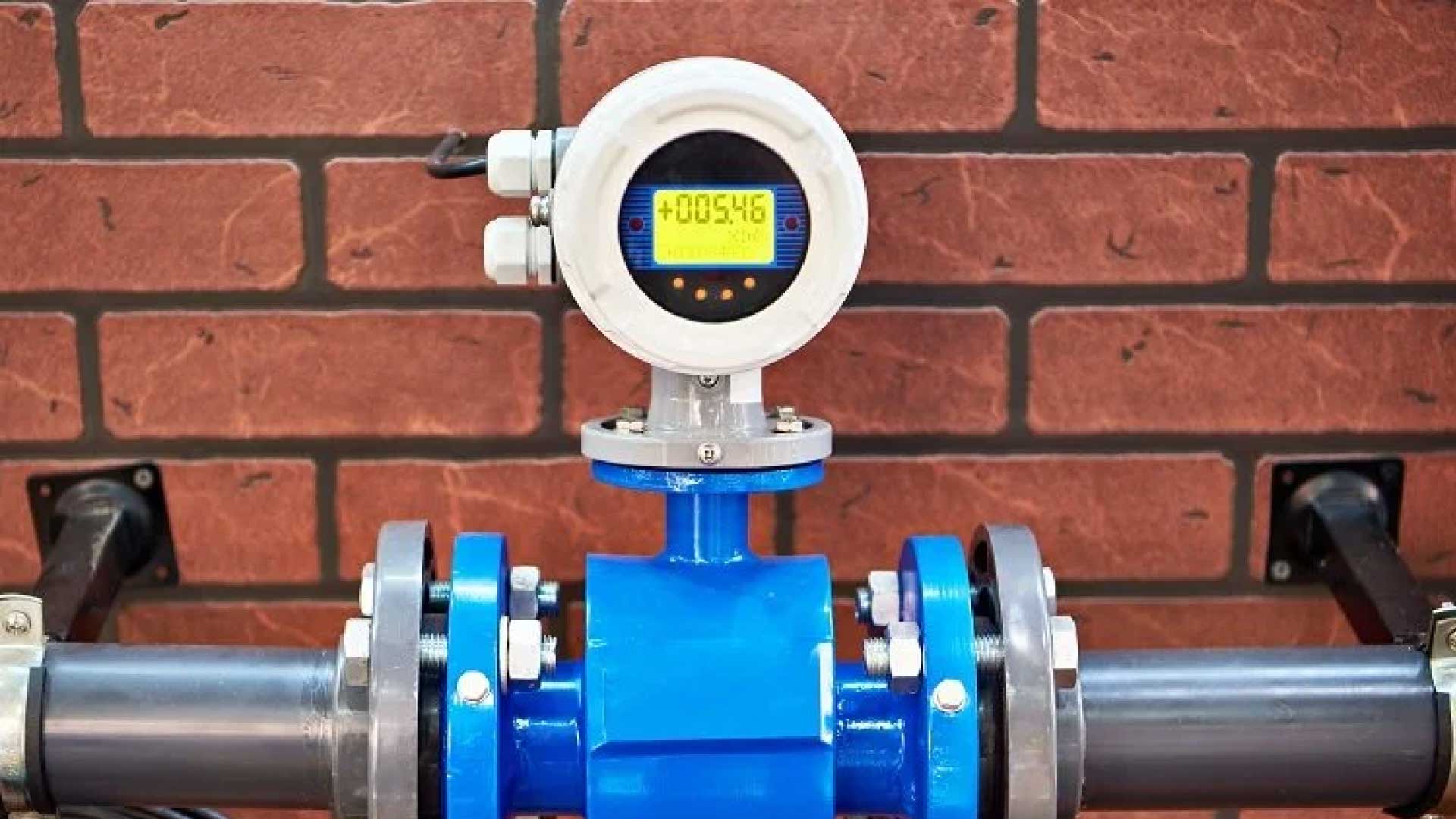
Flow calibration is a critical aspect of maintaining accuracy and efficiency in industrial processes. Whether it’s in chemical manufacturing, water treatment, oil and gas, or food and beverage production, precise measurement of fluid flow can significantly impact both productivity and safety. Without proper calibration, flow meters may provide inaccurate readings, leading to process inefficiencies, product wastage, and even equipment damage.
Understanding Flow Calibration
Flow calibration is the process of verifying and adjusting the accuracy of flow measurement devices. Flow meters, such as ultrasonic, turbine, magnetic, and Coriolis meters, are widely used in various industries to monitor the rate at which fluids move through pipes or channels. However, over time, these instruments can drift due to mechanical wear, temperature fluctuations, or changes in fluid properties. Flow calibration ensures that the meter readings remain consistent with real-world flow rates.
The process typically involves comparing the readings of the flow meter with a known reference standard, which may include gravimetric systems, volumetric tanks, or primary flow standards. Adjustments are then made to correct any discrepancies. Regular calibration not only maintains accuracy but also helps in meeting industry standards and regulatory requirements.
Types of Flow Calibration
Flow calibration can be broadly categorized into two types: on-site calibration and laboratory calibration.
-
On-site calibration: This method involves calibrating the flow meter at its installation location. On-site calibration is convenient because it doesn’t require dismantling the process setup, and it allows for calibration under real operating conditions. Portable calibration rigs or master meters are often used to perform on-site calibration.
-
Laboratory calibration: Laboratory calibration involves taking the flow meter to a controlled environment where highly accurate reference standards are available. This method is suitable for precise calibration needs, especially for high-accuracy devices used in critical processes. Laboratory calibration can achieve lower uncertainty levels than on-site methods.
Importance of Flow Calibration
Accurate flow measurement is essential for several reasons:
-
Process efficiency: Proper calibration ensures that fluids are delivered at the correct rate, reducing waste and optimizing production. In industries like chemical manufacturing, small deviations in flow rates can significantly affect product quality.
-
Cost savings: Accurate flow measurements reduce raw material wastage, energy consumption, and maintenance costs. Over time, this leads to significant savings for industrial operations.
-
Safety compliance: Many industries handle hazardous fluids. Incorrect flow readings can result in dangerous conditions, such as overpressure, leaks, or chemical reactions. Flow calibration helps maintain safe operating conditions.
-
Regulatory standards: Certain industries, like pharmaceuticals and food production, are subject to strict regulatory requirements. Calibrated flow meters ensure compliance with these standards, preventing legal and financial consequences.
Steps in Flow Calibration
The process of flow calibration generally involves the following steps:
-
Preparation: Identify the flow meter type, its specifications, and the desired calibration accuracy. Gather necessary tools, reference standards, and documentation.
-
Baseline measurement: Record the existing readings of the flow meter under normal operating conditions to establish a baseline.
-
Comparison with reference: Measure the flow using a calibrated reference device or system. Compare the readings with the flow meter being tested.
-
Adjustment: If discrepancies are observed, adjust the flow meter settings to align with the reference readings. Some meters allow software-based corrections, while others require mechanical adjustments.
-
Documentation: Record all calibration results, including pre-calibration readings, adjustments made, and post-calibration verification. Proper documentation is essential for audits and quality control.
-
Verification: Recheck the flow meter to confirm that the adjustments have resulted in accurate readings across the intended flow range.
Factors Affecting Flow Calibration
Several factors can influence the accuracy of flow calibration:
-
Fluid properties: Viscosity, density, temperature, and chemical composition can impact flow meter performance. Calibration must consider the specific characteristics of the fluid in use.
-
Installation conditions: Pipe diameter, length, orientation, and the presence of bends or fittings can affect flow measurement. On-site calibration helps account for these real-world conditions.
-
Environmental factors: Temperature, pressure, and humidity can influence meter readings. Advanced flow meters often include compensation mechanisms, but calibration is still necessary to ensure reliability.
-
Meter type: Different flow meters have varying sensitivities and measurement principles. Selecting the appropriate calibration method depends on the type of meter used.
Accurate flow calibration is an ongoing requirement for industries aiming to maintain optimal performance, reduce costs, and ensure safety. By understanding the importance, methods, and factors influencing calibration, companies can make informed decisions about their flow measurement practices.
Topics