Head Protection
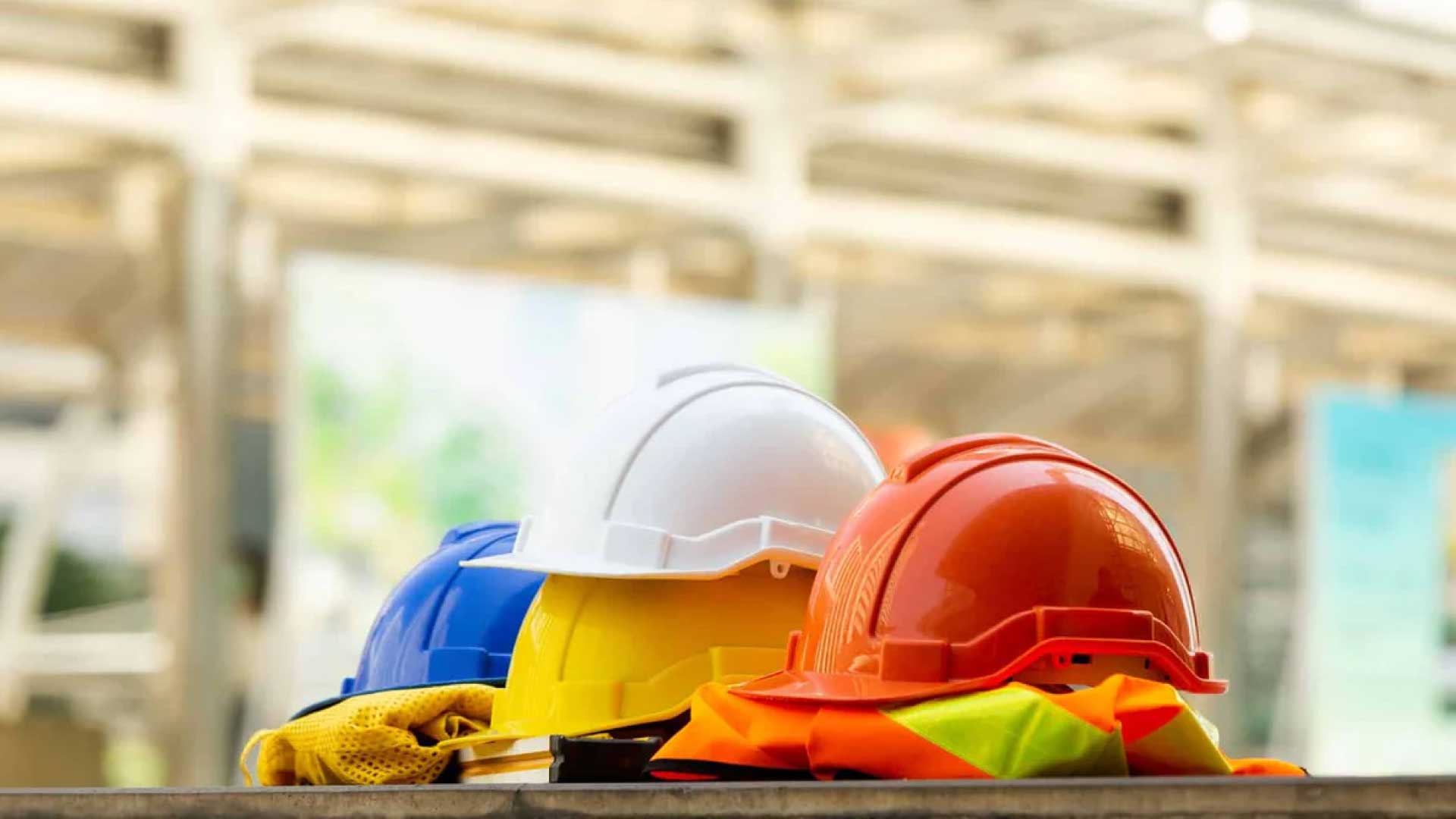
Head protection is one of the most critical aspects of personal safety in workplaces, construction sites, and even during recreational activities. Every year, countless injuries occur due to inadequate protection, making it essential for individuals and employers to prioritize safeguarding the head. Understanding the importance of head protection, selecting the right equipment, and following proper safety practices can significantly reduce the risk of serious injuries.
The human head houses the brain, eyes, ears, and other vital organs, all of which are vulnerable to trauma. Even a minor accident can lead to long-term consequences if appropriate safety measures are not in place. Whether you are working in an industrial environment, engaging in sports, or navigating hazardous areas, head protection plays a pivotal role in ensuring overall well-being.
Types of Head Protection and Their Uses
Different environments require different types of head protection. Here are some of the most common options:
-
Hard Hats
Hard hats are perhaps the most widely recognized form of head protection. They are designed to absorb the impact of falling objects, preventing injuries like concussions or fractures. Hard hats come with adjustable suspension systems to provide a secure fit, and many are equipped with additional features such as face shields or ear protection for comprehensive safety. Industries such as construction, mining, and manufacturing heavily rely on hard hats to protect their workforce. -
Helmets
Helmets are commonly used in sports, recreational activities, and certain professional sectors. For example, cycling, motorcycling, and climbing helmets are engineered to reduce the force of impact during accidents. Professional helmets used by firefighters, rescue workers, and law enforcement personnel often include advanced materials for heat resistance and enhanced protection. Choosing the right helmet depends on the specific activity and potential risks involved. -
Bump Caps
Bump caps are lightweight alternatives to traditional hard hats and are designed to protect against minor bumps, scrapes, and abrasions. They are ideal for indoor work environments with low-hanging obstacles where full-scale impact protection is not necessary. While they are not a replacement for hard hats in high-risk areas, bump caps provide a convenient solution for preventing minor head injuries.
Factors to Consider When Choosing Head Protection
Selecting the appropriate head protection involves several key considerations:
-
Material and Durability: High-quality materials such as polycarbonate, fiberglass, or reinforced plastics provide superior impact resistance. Ensure the material can withstand the specific hazards in your environment.
-
Comfort and Fit: An uncomfortable helmet or hard hat may discourage consistent use. Adjustable suspension systems, padding, and ventilation are important factors for long-term comfort.
-
Certifications and Standards: Look for head protection that meets national or international safety standards, such as ANSI, OSHA, or EN certifications. Compliance ensures the equipment has been tested for impact resistance and reliability.
-
Additional Features: Depending on the work environment, additional features such as face shields, chin straps, or reflective surfaces may be necessary.
Importance of Proper Usage and Maintenance
Even the best head protection equipment can fail if not used correctly. Wearing helmets or hard hats consistently is crucial, as is ensuring they are properly adjusted for a secure fit. Regular inspections are essential to check for cracks, dents, or other damage that could compromise safety. Cleaning and storing head protection equipment properly can extend its lifespan and maintain its effectiveness.
Employers should provide training to ensure workers understand how to wear, adjust, and maintain head protection. Reinforcing the importance of head safety in daily routines can foster a culture of safety and reduce workplace accidents.
Head Protection Beyond the Workplace
Head protection is not limited to industrial or construction environments. Outdoor enthusiasts, cyclists, motorcyclists, and even children benefit from wearing helmets in their respective activities. Schools and recreational centers often mandate helmets for sports like skateboarding, skiing, and hockey to prevent avoidable injuries. By making head protection a habit in both professional and personal settings, individuals can minimize the risk of serious accidents.
Investing in quality head protection is an investment in safety, productivity, and long-term health. From hard hats on construction sites to helmets during recreational activities, proper head safety practices are indispensable. A proactive approach to head protection not only prevents injuries but also fosters awareness and responsibility, ensuring a safer environment for everyone.
Topics