High Voltage Calibration
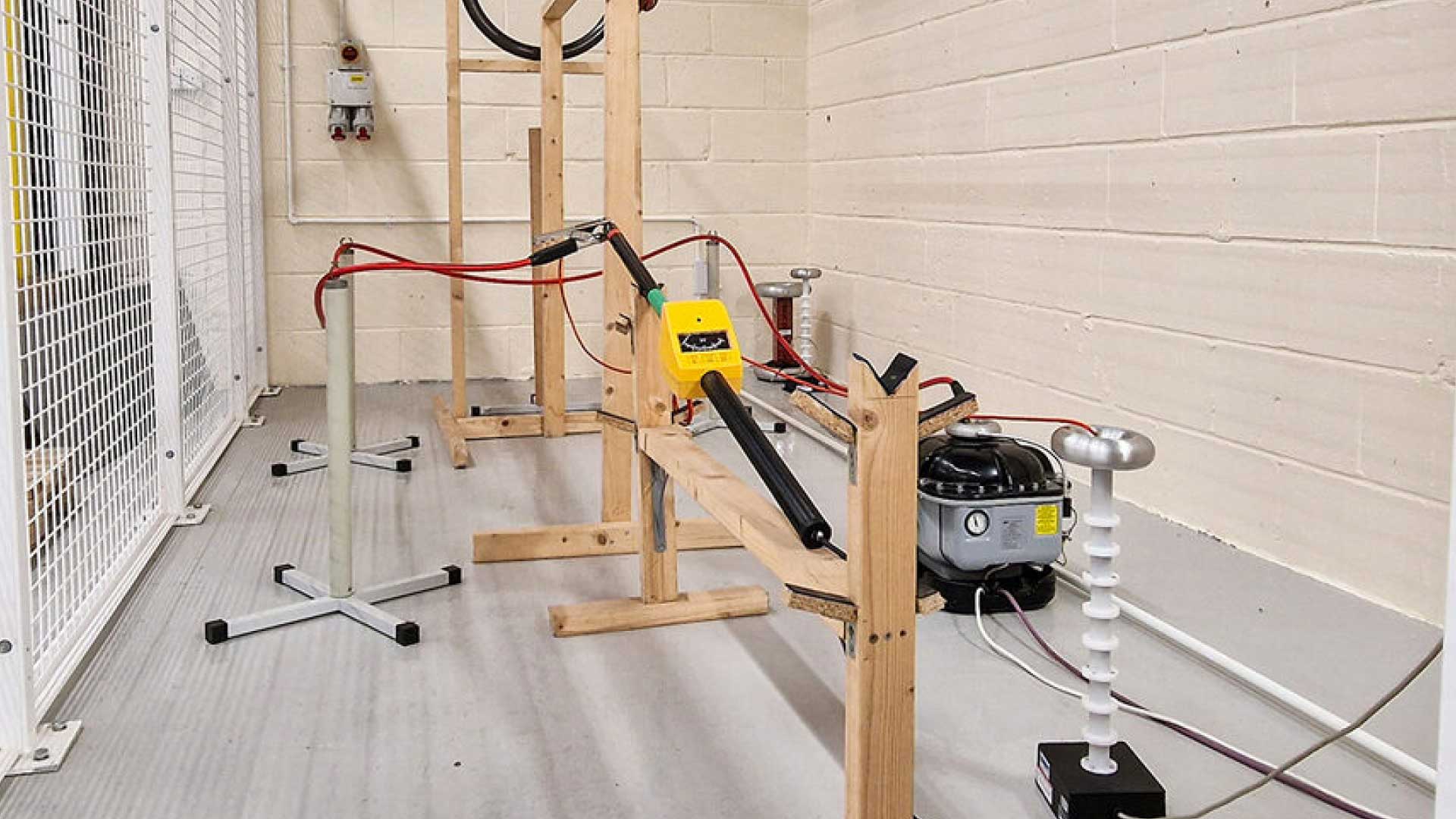
High voltage calibration is a critical process in industries that rely on precise electrical measurements. Ensuring the accuracy of high voltage equipment is not just a matter of efficiency—it’s a matter of safety and reliability. In sectors like power generation, transmission, and electrical manufacturing, even minor deviations in voltage readings can result in equipment damage, operational failures, or severe safety hazards. This is why high voltage calibration has become an essential practice for engineers, technicians, and companies working with electrical systems.
Importance of High Voltage Calibration
High voltage calibration is essential to maintain the integrity and performance of electrical equipment. Devices such as transformers, circuit breakers, insulation testers, and high-voltage probes require periodic calibration to ensure their readings remain accurate over time. Without proper calibration, these devices can produce misleading data, leading to incorrect operational decisions or system inefficiencies.
Calibration also helps in maintaining compliance with international and national standards. For instance, organizations must adhere to standards like ISO/IEC 17025, which governs the competence of testing and calibration laboratories. Regular high voltage calibration ensures that measurements are traceable to national or international standards, thereby guaranteeing reliability and consistency.
How High Voltage Calibration Works
The process of high voltage calibration involves comparing a device’s readings against a known standard. Specialized calibration instruments generate precise high voltage levels that simulate real operating conditions. The equipment under test is then connected to these sources, and any discrepancies between the device readings and the standard are recorded. Adjustments are made to bring the device back within its specified accuracy range.
Calibration can be performed on-site or in a laboratory environment. On-site calibration is particularly beneficial for large or immovable equipment like transformers and switchgear. Laboratory calibration, on the other hand, provides a controlled environment, which allows for more accurate and thorough testing of smaller devices such as voltage dividers, insulation testers, and high-voltage meters.
Equipment Used in High Voltage Calibration
High voltage calibration requires specialized equipment to ensure precise and safe measurements. Some common devices used in the calibration process include:
-
High Voltage Sources: These devices generate controlled voltage levels for testing equipment.
-
Precision Multimeters: Used to measure voltage with high accuracy during calibration.
-
Voltage Dividers: Essential for scaling down high voltages to measurable levels.
-
Insulation Testers: Measure the resistance of insulation materials, ensuring equipment safety.
-
Calibration Software: Advanced software helps in analyzing measurement data and documenting calibration results.
Using proper calibration equipment reduces the risk of error and ensures consistent results. Highly trained professionals are required to operate this equipment, as high voltage work involves serious safety risks.
Benefits of Regular High Voltage Calibration
Regular high voltage calibration offers several advantages to businesses and industries:
-
Enhanced Safety: Accurate measurements reduce the risk of electrical hazards and equipment failures.
-
Improved Equipment Performance: Calibrated devices operate more efficiently and provide reliable readings.
-
Regulatory Compliance: Maintains adherence to international and national electrical standards.
-
Cost Savings: Prevents equipment damage and reduces the likelihood of costly operational downtime.
-
Quality Assurance: Ensures that production and operational processes meet quality and performance requirements.
Investing in high voltage calibration not only safeguards equipment but also enhances the overall reliability of electrical systems.
Common Challenges in High Voltage Calibration
Despite its importance, high voltage calibration comes with challenges. Handling high voltage equipment is inherently risky, requiring strict safety protocols and protective gear. Environmental factors, such as temperature and humidity, can also affect calibration accuracy, making controlled conditions necessary for precise measurements. Additionally, the complexity of modern electrical systems means that calibration procedures must be regularly updated to account for new technologies and devices.
To overcome these challenges, many companies rely on certified calibration service providers who have the expertise, equipment, and experience to perform accurate and safe high voltage calibration.
Topics