Load Calibration
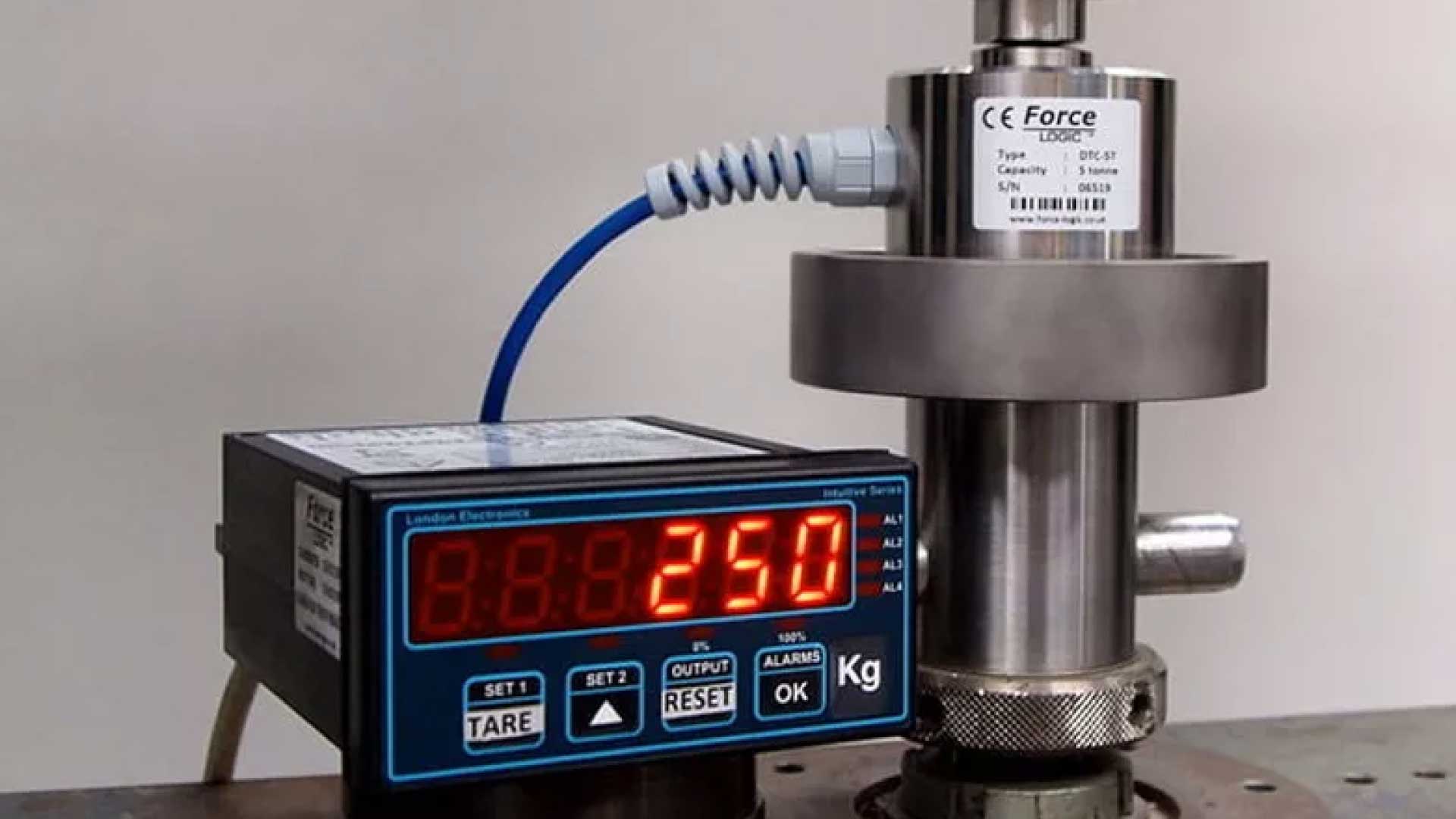
Load calibration is a critical process in industries that rely on accurate measurement systems. Whether in manufacturing, construction, or research, precise load measurement ensures the safety, efficiency, and reliability of equipment and operations. By verifying and adjusting measurement devices to meet exact standards, load calibration plays a pivotal role in quality control and operational excellence.
Accurate load measurement is essential for a wide range of applications. For instance, in material testing laboratories, understanding the exact stress a material can withstand is vital. Similarly, in industrial machinery, knowing the precise load limits prevents overloading, reduces equipment wear, and ensures worker safety. Load calibration helps achieve these objectives by aligning the measurement tools with standardized references.
Understanding Load Calibration
Load calibration involves comparing a load-measuring device, such as a load cell, dynamometer, or force sensor, against a known standard. This process helps identify deviations, correct errors, and maintain the accuracy of the instrument over time. Without regular calibration, load-measuring equipment may drift from their intended accuracy, leading to faulty data and potentially hazardous situations.
The process typically starts by applying known weights or forces to the measuring device. These standard loads serve as a benchmark for assessing the device’s accuracy. Modern load calibration may also involve electronic testing methods, where digital sensors and software monitor the performance of the device under varying conditions. The results are analyzed, and any discrepancies are corrected through adjustment or recalibration.
Key Benefits of Load Calibration
-
Enhanced Accuracy: Load calibration ensures that measurement devices deliver precise readings, which is crucial for high-stakes industrial applications. Accurate data helps engineers and operators make informed decisions, improving product quality and operational efficiency.
-
Compliance with Standards: Many industries must comply with international and national standards, such as ISO, ASTM, or local regulatory guidelines. Load calibration provides documented proof that measurement systems meet these standards, avoiding penalties and ensuring industry compliance.
-
Improved Safety: Incorrect load measurements can lead to equipment failure, structural collapse, or other dangerous situations. Calibrated devices provide reliable readings, helping maintain safe operating conditions and protecting personnel from potential hazards.
-
Cost Savings: By preventing overloading and minimizing equipment wear, load calibration reduces maintenance costs and extends the lifespan of machinery. Accurate measurements also decrease material waste and improve production efficiency.
Types of Load Calibration
Load calibration can vary depending on the type of equipment and industry requirements. Some common methods include:
-
Deadweight Calibration: Using precise weights to test and adjust load measurement devices. This method is highly accurate and widely used in laboratories and testing facilities.
-
Hydraulic or Pneumatic Calibration: Applying controlled hydraulic or pneumatic forces to test devices like load cells or pressure sensors. This method is suitable for high-capacity industrial equipment.
-
Electronic Calibration: Using digital instruments and software to simulate loads and verify the accuracy of measurement devices. This approach is faster and increasingly popular in modern industries.
Maintaining Accuracy with Regular Calibration
Load-measuring instruments are subject to wear, environmental changes, and mechanical stress, which can affect their accuracy over time. Regular calibration schedules are essential to maintain reliable performance. Industries often follow strict calibration intervals, documented in maintenance logs, to ensure ongoing compliance and operational precision.
Choosing a certified calibration provider is equally important. Professional calibration laboratories use traceable standards, certified equipment, and skilled technicians to guarantee accurate and reliable calibration services. Many providers also offer on-site calibration, minimizing downtime and ensuring minimal disruption to industrial operations.
Topics