Medical Calibration
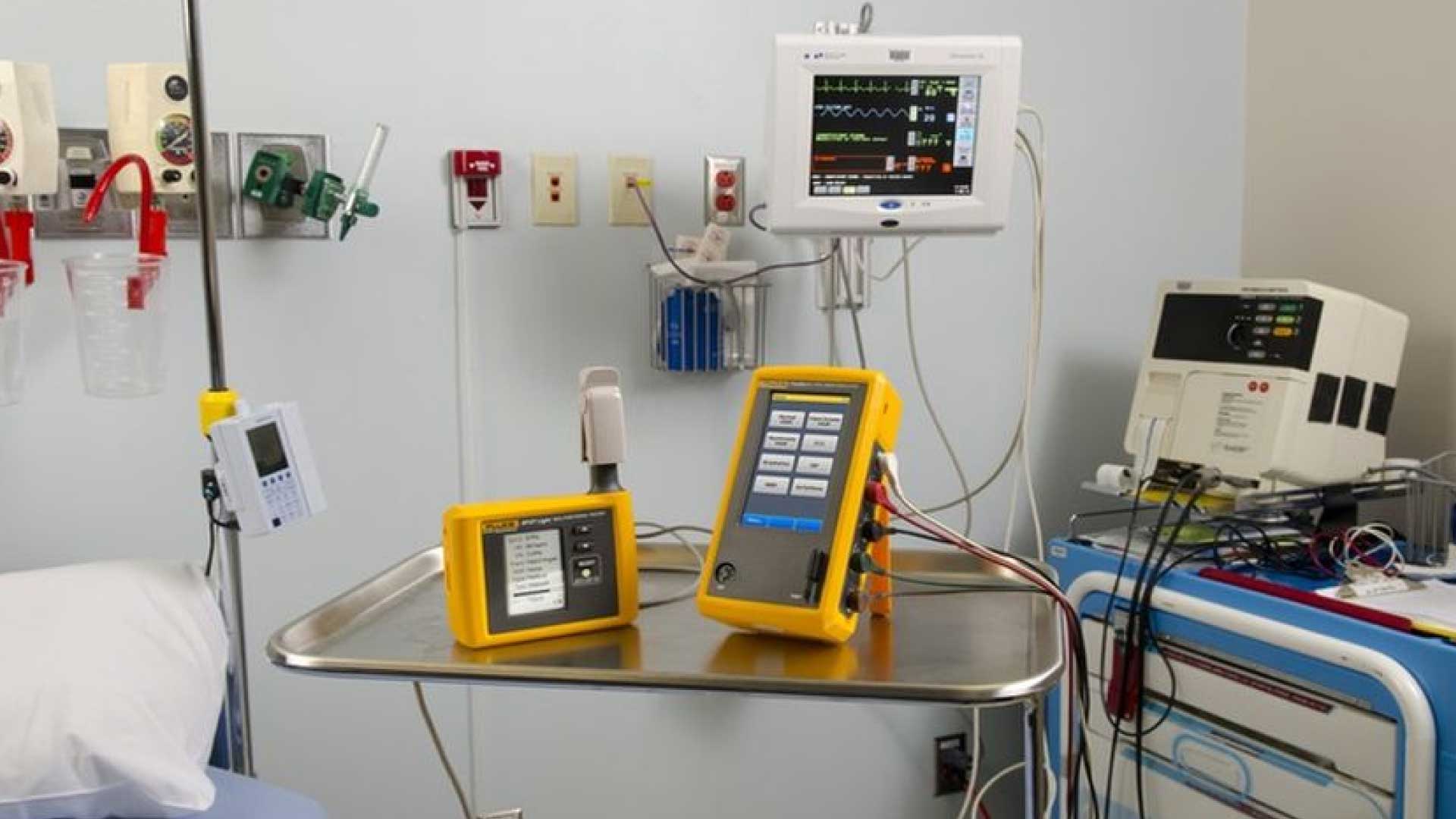
Medical calibration plays a crucial role in maintaining the accuracy and reliability of medical devices used in hospitals, clinics, and laboratories. In the healthcare industry, precision is not just a requirement; it can literally be a matter of life and death. From diagnostic equipment to life-support machines, ensuring that instruments provide accurate readings is essential for proper patient care.
Medical devices, such as blood pressure monitors, infusion pumps, ECG machines, and thermometers, must be regularly calibrated to maintain their performance. Calibration is the process of comparing the measurements of a device against a known standard to identify and correct deviations. This helps healthcare professionals trust the data provided by these instruments and make informed decisions.
Importance of Medical Calibration
Calibration of medical equipment is vital for several reasons:
-
Patient Safety: Accurate medical devices prevent errors in diagnosis and treatment. A small deviation in a device’s measurement can lead to misdiagnosis, incorrect medication dosage, or ineffective treatment.
-
Regulatory Compliance: Health authorities and regulatory bodies, such as the FDA or ISO, require hospitals and laboratories to follow strict calibration standards. Regular calibration ensures compliance with these regulations, avoiding legal issues and penalties.
-
Reliability of Results: Laboratory tests, such as blood tests or imaging, rely heavily on precise measurements. Medical calibration ensures the consistency of these results over time, which is critical for ongoing patient care.
-
Equipment Longevity: Regular calibration can also detect early signs of wear and tear, helping maintain medical devices and prevent costly breakdowns. Proper maintenance extends the life of equipment while keeping it functional and safe.
How Medical Calibration Works
Medical calibration involves several steps performed by trained technicians or biomedical engineers:
-
Assessment of the Device: The first step is identifying which devices need calibration and determining their calibration frequency based on manufacturer recommendations and usage patterns.
-
Comparison with Standards: The device’s measurements are compared against certified reference standards or instruments. This step highlights any deviations or errors in readings.
-
Adjustment and Correction: If discrepancies are found, technicians adjust the device to match the standard, ensuring that future measurements remain accurate.
-
Documentation: Calibration records are documented meticulously, showing the date, technician, device details, and any adjustments made. These records are critical for audits and quality assurance.
-
Verification: After calibration, devices are often re-tested to ensure they meet required accuracy standards before being put back into use.
Types of Medical Devices That Require Calibration
Almost all medical devices require calibration, but some key examples include:
-
Diagnostic Devices: X-ray machines, ultrasound equipment, MRI scanners, and ECG machines.
-
Monitoring Devices: Blood pressure monitors, pulse oximeters, and glucometers.
-
Therapeutic Devices: Infusion pumps, ventilators, dialysis machines.
-
Laboratory Instruments: Spectrophotometers, centrifuges, and analyzers.
The frequency of calibration depends on the device type, manufacturer guidelines, and the regulatory framework. Some devices may require monthly calibration, while others may need annual verification.
Benefits of Professional Medical Calibration Services
Outsourcing medical calibration to specialized companies ensures high accuracy and reliability. Professional calibration services provide:
-
Certified Technicians: Experts with proper training and experience in handling medical instruments.
-
Compliance Assurance: Calibration services align with international standards like ISO 17025 or ISO 13485, which are recognized globally.
-
Advanced Equipment: Use of high-precision calibration tools that may not be available in-house.
-
Minimized Downtime: Scheduled calibration prevents unexpected equipment failure and ensures uninterrupted medical services.
Medical calibration is a cornerstone of quality healthcare, safeguarding both patients and medical institutions. Ensuring that medical devices are regularly calibrated is not just a technical necessity but a commitment to delivering accurate and reliable healthcare services.
Topics