Photovoltaic Testing
Photovoltaic testing has become an essential part of the solar energy industry as more businesses and homeowners turn to solar power solutions. The process ensures that solar panels, also known as photovoltaic (PV) modules, perform efficiently, safely, and reliably over their expected lifespan. Testing not only verifies the quality of the panels but also helps identify potential issues before installation or during maintenance.
The solar industry has grown exponentially in recent years, and with this growth comes the need for standardized testing procedures. Photovoltaic testing encompasses a variety of methods designed to evaluate the electrical, mechanical, and environmental performance of solar panels. These tests are critical in ensuring the return on investment for solar system owners and maintaining industry standards.
Types of Photovoltaic Testing
There are several types of photovoltaic testing, each targeting different aspects of solar panel performance. Some of the most common include:
1. Electrical Testing:
Electrical tests are conducted to measure the efficiency and performance of solar panels. Key parameters such as open-circuit voltage (Voc), short-circuit current (Isc), maximum power point (Pmax), and fill factor (FF) are analyzed. These tests ensure that the panels generate the expected amount of energy under standard test conditions (STC).
2. Visual Inspection:
Visual inspections are a simple yet effective way to identify physical defects in PV modules. Cracks, discoloration, delamination, and corrosion can all be detected through visual examination. This type of testing is often the first step in quality assurance and helps prevent long-term performance issues.
3. Thermal Imaging:
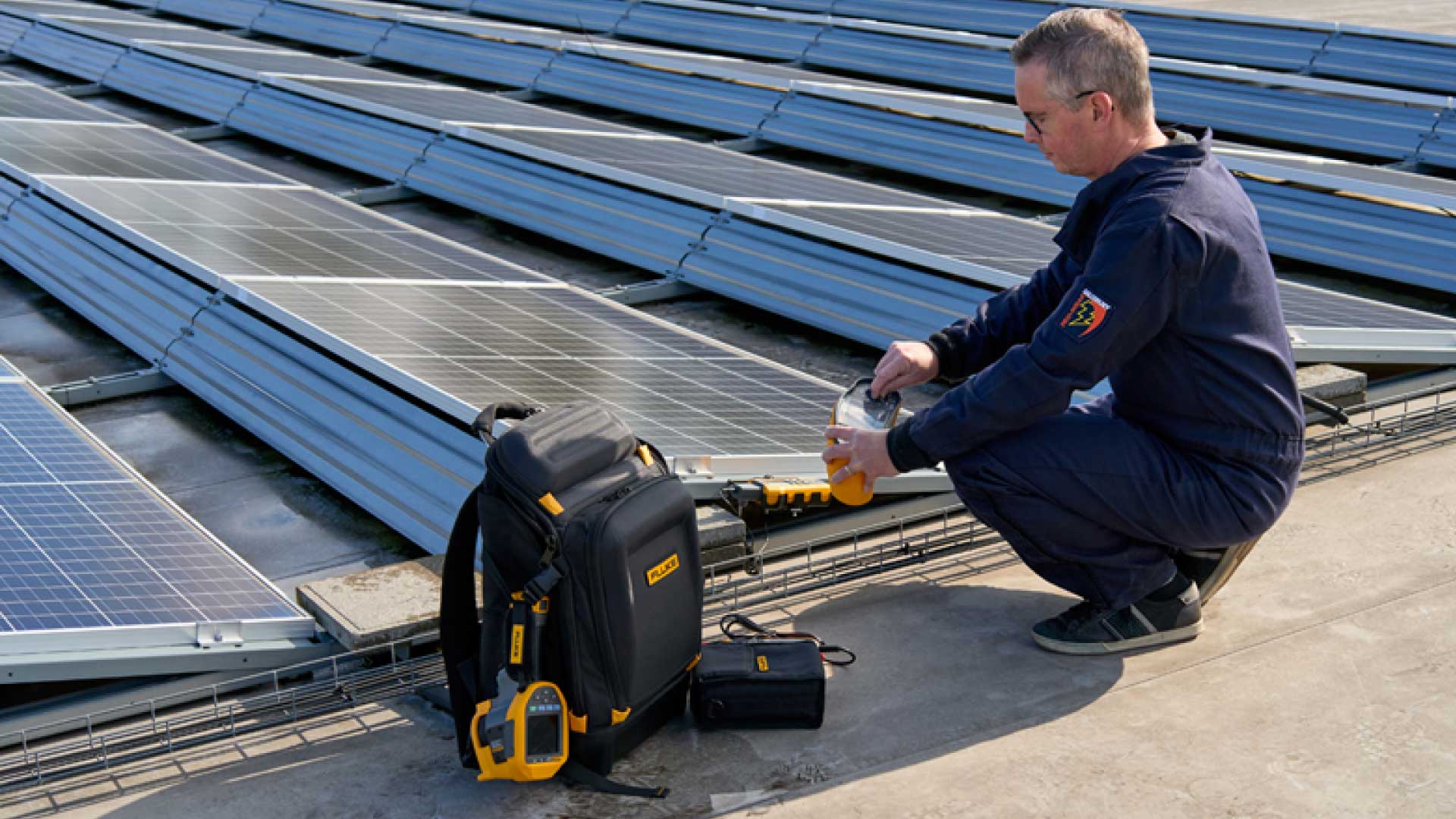
Thermal imaging, also known as infrared (IR) testing, detects hotspots in solar panels. Hotspots can reduce efficiency and may indicate defects such as faulty cells or poor connections. By using thermal cameras, technicians can pinpoint problem areas without physically touching the panels, making it a safe and non-invasive method.
4. Electroluminescence (EL) Testing:
EL testing is a highly sensitive method used to detect micro-cracks, broken cells, and other hidden defects. When a solar panel is exposed to a current in a dark environment, defective areas emit a different light pattern that can be captured with specialized cameras. This test is widely used in both manufacturing and field inspections.
5. Mechanical Load Testing:
PV modules must withstand various environmental stresses, including wind, snow, and hail. Mechanical load testing simulates these conditions to ensure that panels maintain structural integrity over time. This testing is essential for regions prone to extreme weather conditions.
6. Outdoor Performance Testing:
Although lab testing provides valuable insights, real-world conditions can affect solar panel performance. Outdoor testing measures how panels perform under natural sunlight, temperature variations, and weather changes. This type of testing is crucial for predicting actual energy output and long-term reliability.
Importance of Photovoltaic Testing
Photovoltaic testing is not just about quality assurance; it is also a safety and investment protection measure. Poorly performing or defective solar panels can lead to reduced energy generation, higher maintenance costs, and even fire hazards in extreme cases. Regular testing ensures that panels operate at optimal efficiency and meet safety standards.
For manufacturers, photovoltaic testing is a key factor in building trust and credibility. Panels that pass rigorous testing procedures are more likely to gain certification and recognition in global markets. For consumers and businesses, testing provides assurance that their solar investment will deliver the expected energy savings.
Additionally, testing helps identify potential degradation over time. Solar panels naturally lose efficiency due to environmental factors and aging. Routine testing allows technicians to detect early signs of degradation, schedule maintenance, and extend the overall lifespan of the solar energy system.
Photovoltaic Testing Equipment
The accuracy and effectiveness of photovoltaic testing depend heavily on the equipment used. Some essential tools include I-V curve tracers, solar simulators, thermal cameras, electroluminescence imaging systems, and mechanical load test rigs. Modern testing equipment provides precise measurements, making it easier to identify defects and optimize performance.
Incorporating photovoltaic testing into solar project planning is now considered an industry standard. From the initial production phase to field deployment and ongoing maintenance, testing plays a crucial role in ensuring that solar panels deliver maximum efficiency and reliability.
Topics