Power Quality Analysis
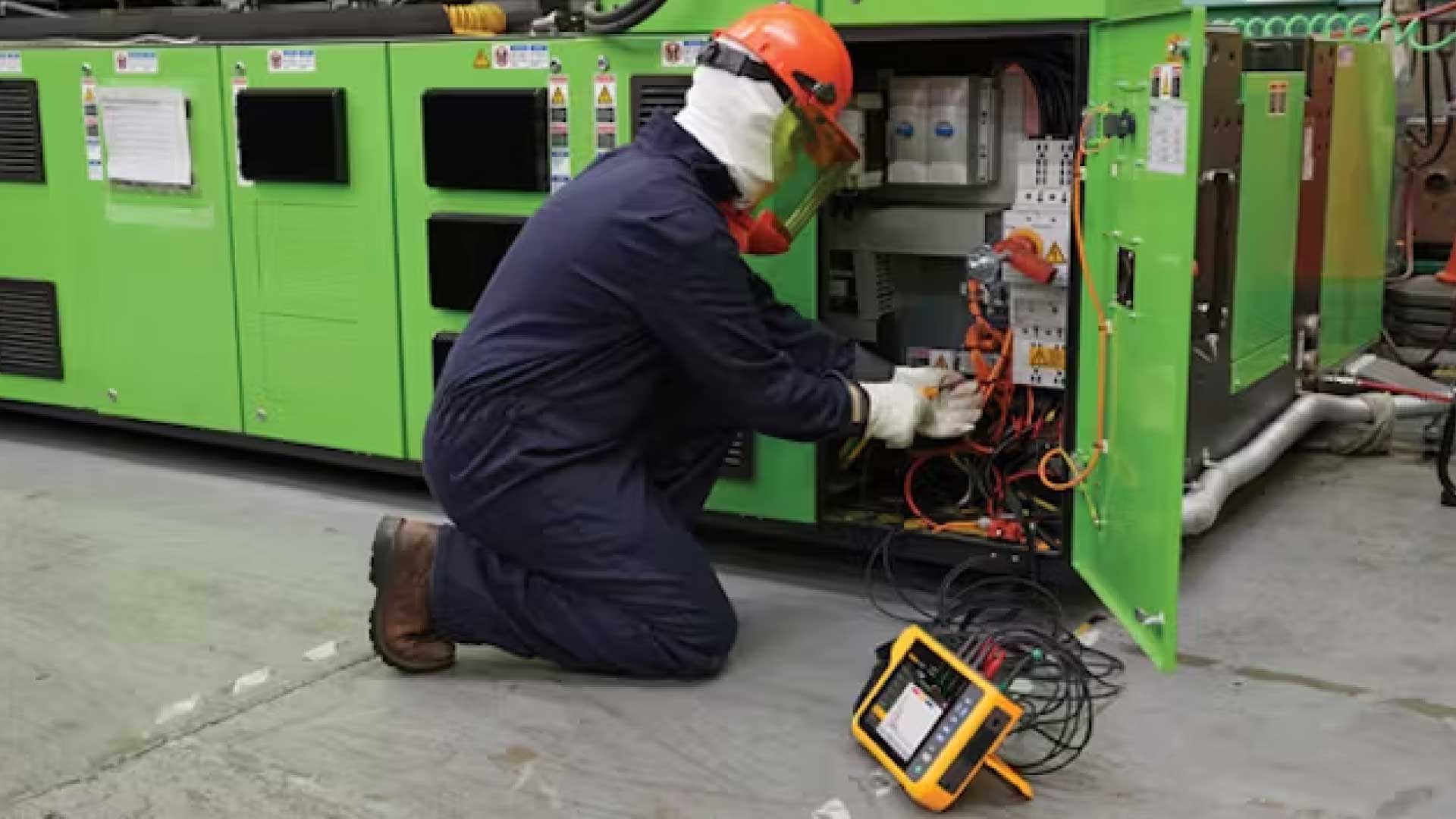
Power quality analysis is a crucial aspect of modern electrical systems. As industries, commercial buildings, and households increasingly rely on sensitive electronic equipment, maintaining a stable and clean power supply has become more important than ever. Power quality issues can lead to equipment malfunction, production losses, and even safety hazards, making regular analysis and monitoring essential.
Understanding Power Quality
Power quality refers to the characteristics of the electrical power supplied to a system and how well it supports reliable operation of connected equipment. Ideally, electrical power should have a constant voltage, frequency, and waveform. However, in reality, disturbances such as voltage sags, swells, harmonics, and transients often occur. These deviations from the ideal conditions are collectively referred to as power quality problems.
Power quality analysis involves measuring and evaluating these disturbances to ensure the electrical system operates efficiently and without interruption. It is especially critical in industries like manufacturing, data centers, hospitals, and telecommunications, where even minor power fluctuations can have significant consequences.
Common Power Quality Issues
Several types of issues are commonly observed in electrical systems:
-
Voltage Sags and Swells – A voltage sag is a short-term drop in voltage, while a swell is a temporary increase. Both can affect sensitive equipment, causing errors or unexpected shutdowns.
-
Harmonics – Harmonics are distortions in the normal sinusoidal waveform of electrical power, typically caused by non-linear loads like inverters, UPS systems, and LED lighting. High harmonic distortion can overheat motors and transformers, reduce efficiency, and shorten equipment lifespan.
-
Transients – Transients are sudden, brief spikes in voltage, often resulting from lightning strikes or switching operations. These spikes can damage electronics and lead to costly downtime.
-
Frequency Variations – Frequency fluctuations can disrupt operations in equipment designed to run at a fixed frequency, such as motors and generators.
-
Flicker – Voltage flicker causes noticeable fluctuations in lighting intensity, affecting human comfort and potentially damaging light-sensitive machinery.
Importance of Power Quality Analysis
Regular power quality analysis offers multiple benefits for businesses and residential setups:
-
Equipment Protection – By identifying and mitigating disturbances, power quality analysis protects valuable equipment from damage.
-
Operational Efficiency – Clean and stable power ensures that machines operate efficiently, reducing energy losses and improving productivity.
-
Cost Savings – Minimizing downtime and avoiding equipment replacement through proactive power quality monitoring results in significant financial savings.
-
Regulatory Compliance – In some industries, maintaining specific power quality standards is mandatory. Analysis helps organizations comply with these regulations.
Tools and Techniques for Power Quality Analysis
Power quality analysis requires specialized tools and techniques. The most commonly used instruments include:
-
Power Quality Analyzers – These devices monitor voltage, current, harmonics, and other electrical parameters in real-time. They provide detailed insights into the performance of the power system.
-
Data Loggers – Data loggers record power parameters over time, allowing engineers to analyze patterns and identify recurring disturbances.
-
Oscilloscopes – Used to capture and visualize fast transient events that other instruments may miss.
-
Software Solutions – Modern power quality software enables advanced analysis, reporting, and trend monitoring for proactive maintenance.
The analysis process usually involves recording electrical parameters, identifying deviations from standard values, and pinpointing the root causes of disturbances. Once identified, corrective actions such as installing surge protection devices, harmonic filters, or voltage regulators can be implemented.
Applications of Power Quality Analysis
Power quality analysis is applicable in various sectors:
-
Industrial Plants – Ensures uninterrupted production by maintaining stable power for heavy machinery.
-
Healthcare Facilities – Protects sensitive medical equipment from voltage disturbances and transients.
-
Data Centers – Guarantees reliable operation of servers and networking devices by minimizing downtime caused by power fluctuations.
-
Renewable Energy Systems – Improves the integration of solar, wind, and other renewable sources by monitoring and controlling power quality parameters.
With growing reliance on automation and digital infrastructure, power quality analysis has become an indispensable practice. Organizations that invest in regular monitoring and analysis not only protect their equipment but also ensure operational efficiency and long-term cost savings.
Topics