Pressure Calibration
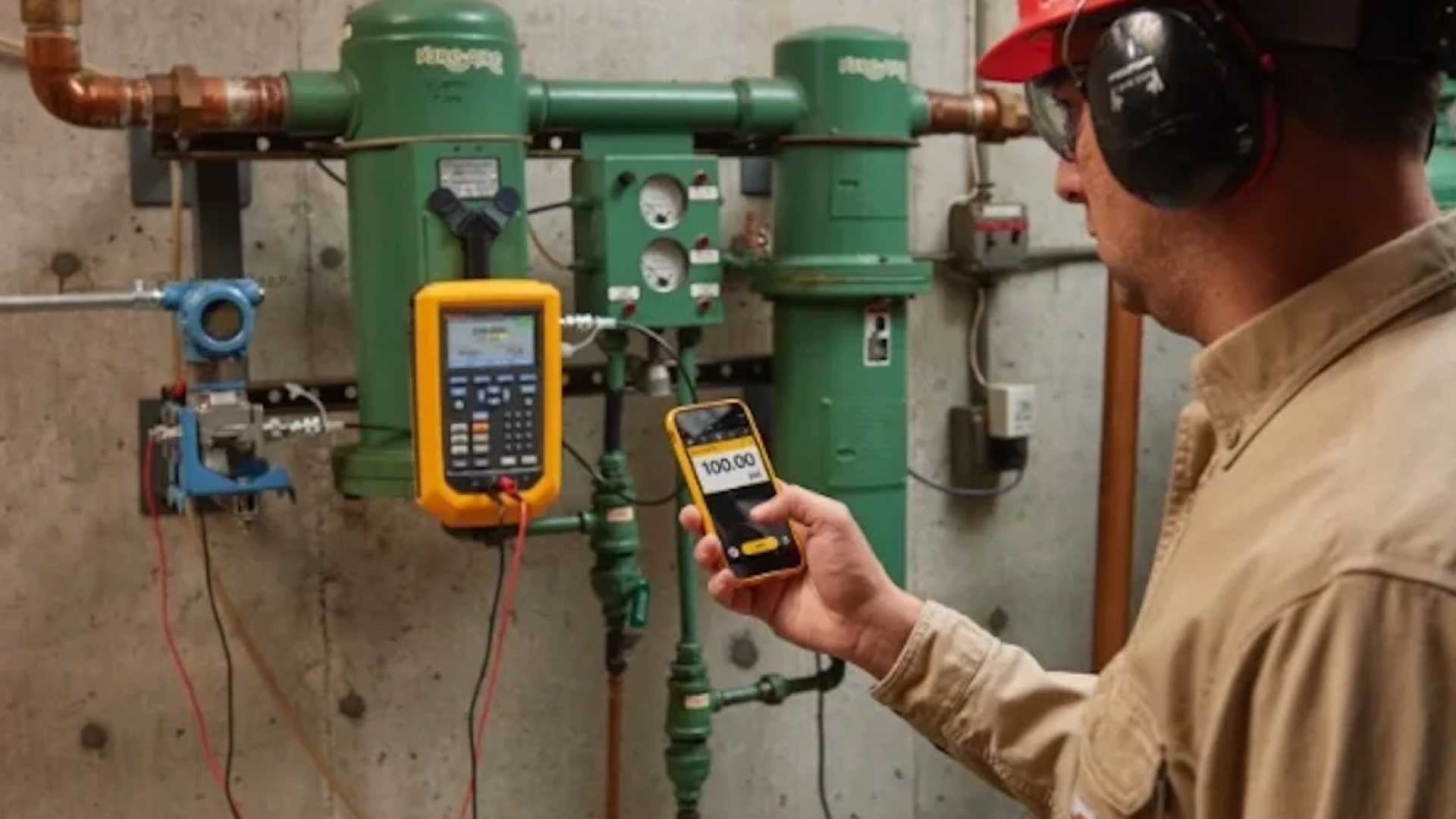
Pressure calibration is a critical process in many industries, ensuring the accuracy and reliability of pressure measuring instruments. From manufacturing plants to laboratories, precise pressure measurements are essential for safety, quality control, and operational efficiency. Without regular calibration, equipment may provide inaccurate readings, leading to potential hazards, production errors, and costly downtime.
Accurate pressure measurement is vital for applications like hydraulic systems, pneumatic controls, and gas monitoring. Pressure calibration helps maintain the integrity of these systems by verifying and adjusting instruments such as pressure gauges, transducers, and manometers. By comparing the instrument readings against a known standard, calibration ensures that the equipment performs within the desired tolerance levels.
Importance of Pressure Calibration
Pressure calibration offers several key benefits for industrial operations. First, it guarantees safety. In processes involving high pressure, inaccurate measurements can result in equipment failure or even accidents. Calibrated instruments provide reliable data, helping operators make informed decisions and prevent dangerous situations.
Second, calibration improves product quality. For industries like pharmaceuticals, food processing, and chemical manufacturing, maintaining precise pressure levels is crucial to producing consistent products. Any deviation in pressure can affect the final output, making calibration an indispensable part of quality control protocols.
Third, pressure calibration enhances operational efficiency. Properly calibrated instruments reduce downtime and maintenance costs by identifying and correcting errors before they escalate into major problems. Companies can save both time and resources while ensuring smooth workflow and equipment longevity.
Methods of Pressure Calibration
Several methods are used for pressure calibration, depending on the type of instrument and the required accuracy. One common method is deadweight testing, which uses a set of calibrated weights to generate a known pressure. This method is highly accurate and widely used for calibrating gauges and transducers.
Another technique is comparison calibration, where the instrument under test is compared with a reference instrument. The reference device is already calibrated and has traceability to national or international standards. Any discrepancy between the two instruments is recorded, and adjustments are made accordingly.
Electronic pressure calibrators are increasingly popular due to their portability and ease of use. These devices provide digital pressure output, making it easier to read, record, and store calibration data. They are ideal for field calibration and for industries that require quick and reliable results.
Frequency of Pressure Calibration
The frequency of pressure calibration depends on the industry, type of instrument, and environmental conditions. Critical instruments in high-risk environments may require calibration every few months, while less critical devices can be calibrated annually. It is also recommended to calibrate instruments after maintenance, repairs, or any significant change in operating conditions.
Keeping a proper calibration schedule helps maintain traceability and compliance with industry standards. Many companies use calibration management software to track calibration history, set reminders, and generate reports, ensuring that no instrument goes unchecked.
Pressure Calibration Standards
Calibration is not just about adjusting instruments; it also involves adhering to recognized standards. Organizations like the International Organization for Standardization (ISO) and the American National Standards Institute (ANSI) provide guidelines for calibration procedures. Following these standards ensures consistency, accuracy, and global recognition of calibration results.
Traceability is another crucial aspect. Calibrated instruments should be traceable to national or international standards, providing documented proof of accuracy. This traceability is particularly important for industries with strict regulatory requirements, such as healthcare, aerospace, and energy.
Choosing a Pressure Calibration Service
Selecting a reliable pressure calibration service is essential for ensuring accurate results. Companies should look for service providers with certified technicians, proper calibration equipment, and adherence to international standards. On-site calibration services are beneficial for minimizing downtime, while laboratory-based calibration may offer higher precision.
In addition, some providers offer calibration certificates that detail the instrument’s performance, measurement uncertainties, and compliance with standards. These certificates are often required for audits, quality assurance, and regulatory compliance.
Topics