RF Calibration
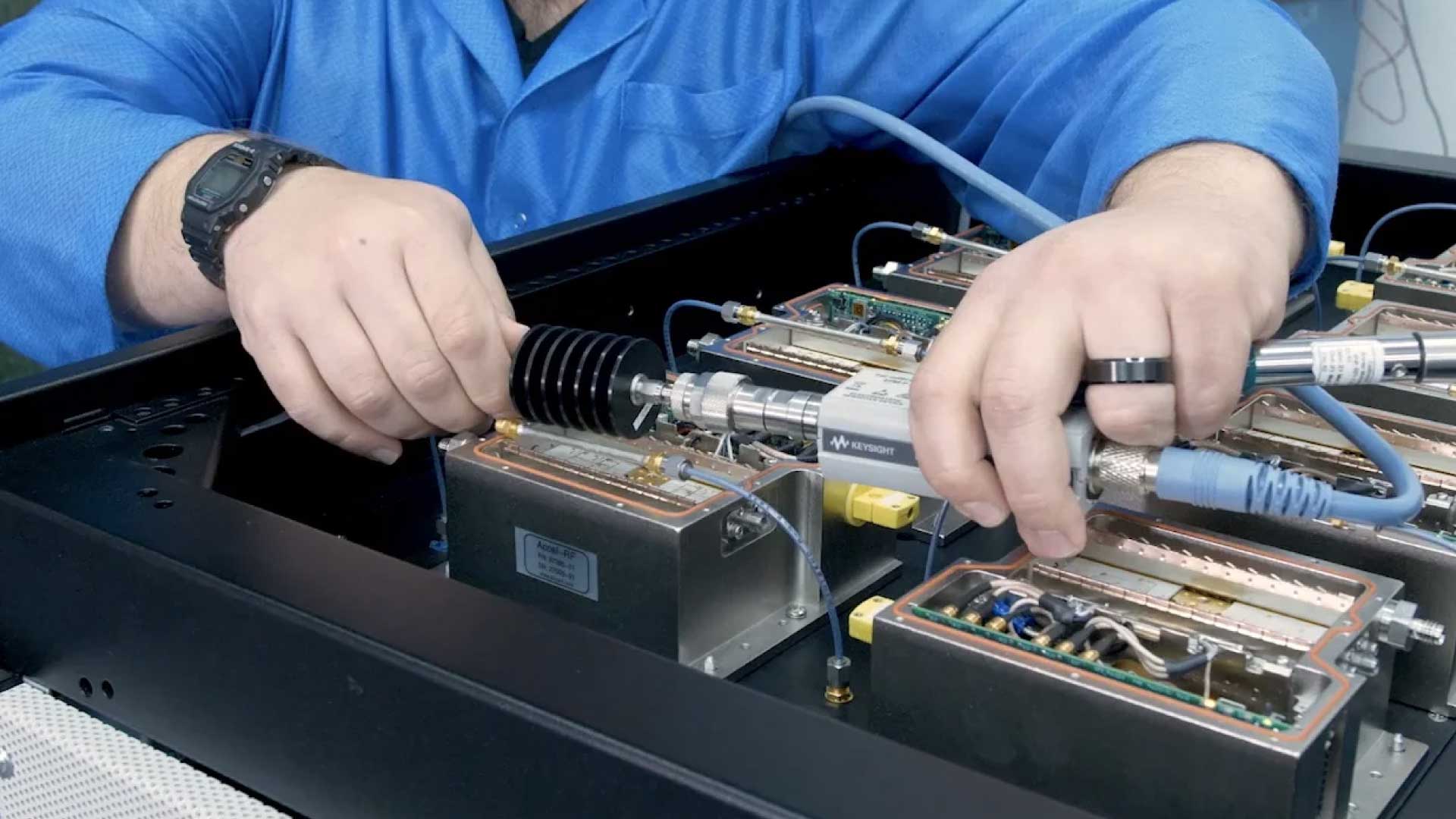
RF Calibration is a critical process in the field of electronics and telecommunications, ensuring that radio frequency (RF) equipment operates with accuracy and reliability. In today’s fast-paced technological world, precise measurement and calibration of RF devices are essential for everything from mobile communication to radar systems and satellite technologies. Without proper RF calibration, devices may give incorrect readings, cause interference, or fail to meet industry standards.
Understanding RF Calibration
RF calibration refers to the process of adjusting and verifying the performance of RF devices, such as signal generators, spectrum analyzers, and network analyzers, to ensure they operate within the specified parameters. This process involves comparing the device’s output against a known standard, identifying any deviations, and making necessary adjustments to correct them. The main goal is to maintain the integrity, accuracy, and consistency of RF measurements over time.
Devices used in wireless communication, broadcasting, and defense systems rely heavily on accurate RF measurements. Even a small error in RF measurement can lead to signal distortion, reduced efficiency, or interference with other systems. That’s why RF calibration is not just a routine maintenance task—it is a vital part of ensuring high-quality communication and signal transmission.
Importance of RF Calibration
Accurate RF calibration has several critical benefits:
-
Enhanced Device Performance: Proper calibration ensures that RF equipment operates at peak efficiency, reducing errors in measurement and improving overall performance.
-
Compliance with Standards: Many industries, such as aerospace, telecommunications, and defense, have strict regulatory requirements. RF calibration helps meet international standards, avoiding penalties or operational issues.
-
Extended Equipment Life: Regular calibration minimizes wear and tear caused by misalignment or incorrect settings, extending the lifespan of RF devices.
-
Reliable Data and Measurements: Engineers and technicians rely on precise RF measurements to design and troubleshoot systems. Accurate calibration ensures that the data they use is trustworthy.
The RF Calibration Process
The RF calibration process typically involves several steps:
-
Initial Assessment: The device is first checked to identify any obvious faults or deviations.
-
Reference Comparison: The device’s readings are compared against a traceable standard, often maintained in a calibration lab.
-
Adjustment and Correction: If discrepancies are found, technicians adjust the device settings to bring them within acceptable limits.
-
Verification: After adjustments, the device is tested again to confirm that it meets the required specifications.
-
Documentation: A detailed calibration report is generated, providing traceable proof of the device’s accuracy and compliance.
Calibration may be performed in-house if the organization has a dedicated lab, or it can be outsourced to specialized RF calibration service providers. Outsourcing is common for high-precision equipment that requires advanced facilities and expertise.
Types of RF Calibration
RF calibration can be broadly categorized into two types:
-
Frequency Calibration: This ensures that the frequency output of the device matches the intended value. It is crucial for signal generators, oscillators, and other frequency-dependent equipment.
-
Power Calibration: This focuses on verifying that the output power levels of RF devices are accurate, which is essential for transmitters, amplifiers, and communication systems.
Additionally, there are hybrid calibrations that combine frequency and power verification, along with testing other parameters like phase noise, gain, and linearity, depending on the device type and application.
Choosing a Reliable RF Calibration Service
When selecting an RF calibration service provider, consider the following factors:
-
Accreditation and Standards Compliance: Look for labs accredited to ISO/IEC 17025 or other recognized standards, ensuring traceability and accuracy.
-
Expertise and Equipment: The provider should have experienced technicians and state-of-the-art calibration tools for precise results.
-
Turnaround Time: Efficient services reduce downtime, keeping your operations running smoothly.
-
Documentation: Ensure that the lab provides detailed calibration certificates for record-keeping and compliance purposes.
Investing in professional RF calibration not only enhances device performance but also builds confidence in measurement reliability, ultimately supporting better system design, troubleshooting, and operational efficiency.
Topics