Temperature Calibration
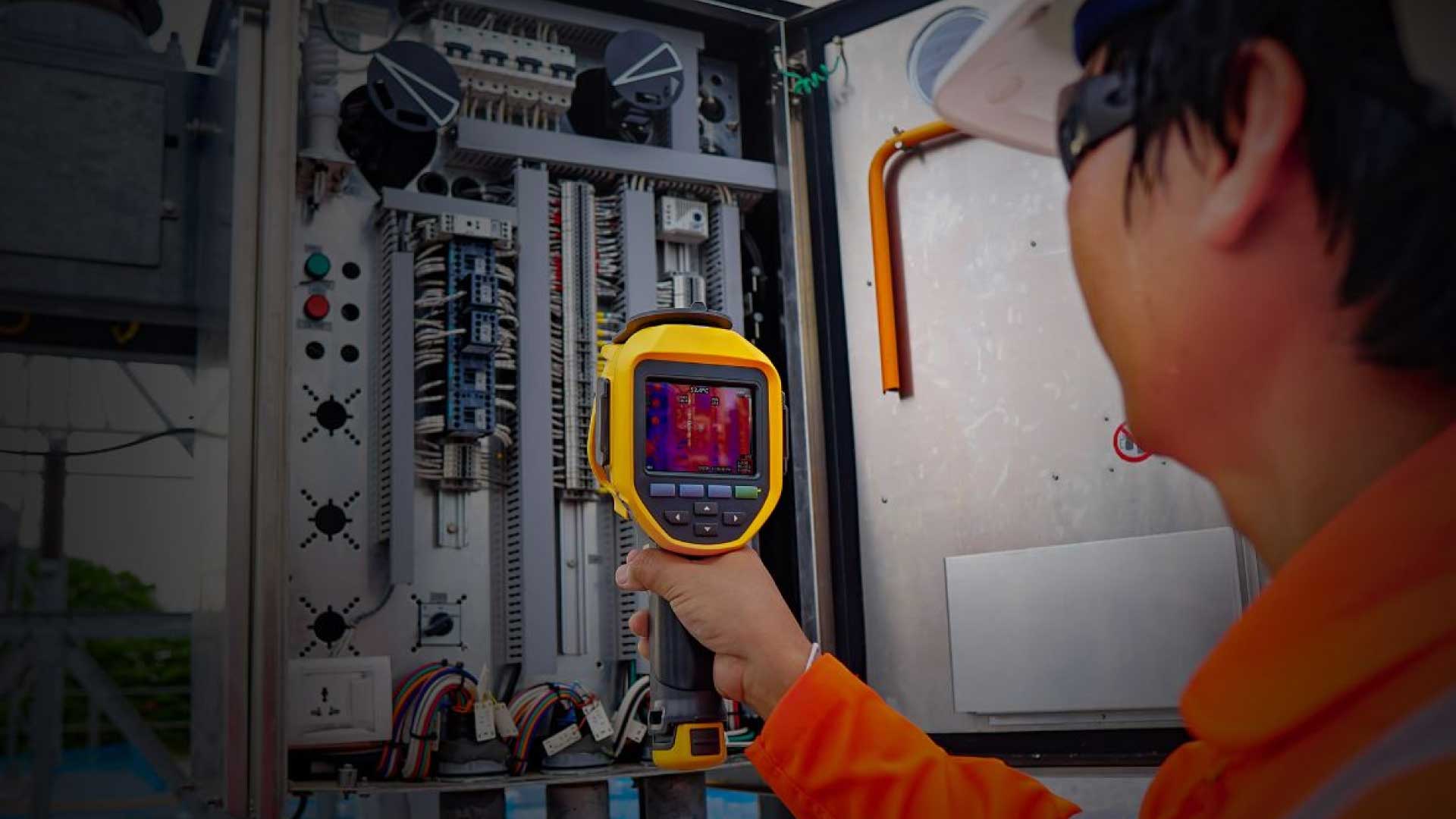
Temperature calibration is a crucial process in various industries, ensuring that thermometers, temperature sensors, and other measuring instruments provide accurate and reliable readings. From industrial manufacturing to healthcare and laboratory research, maintaining precise temperature measurements can directly impact product quality, safety, and efficiency.
Temperature calibration involves comparing a measuring instrument with a known standard under controlled conditions. This process helps detect deviations or errors in the instrument’s readings, which can then be corrected. By performing regular temperature calibration, businesses can avoid costly mistakes, ensure compliance with regulatory standards, and enhance overall operational efficiency.
Why Temperature Calibration is Essential
Temperature plays a critical role in many processes. For example, in the pharmaceutical industry, maintaining the correct temperature during production and storage ensures the stability and effectiveness of medicines. Similarly, in the food industry, accurate temperature measurements prevent spoilage and maintain safety standards.
Without proper calibration, even minor inaccuracies can lead to serious consequences. A thermometer that reads slightly higher or lower than the actual temperature may compromise product quality, reduce efficiency, or even pose safety hazards. This is why businesses prioritize temperature calibration as part of their quality control measures.
The Temperature Calibration Process
The process of temperature calibration typically involves several key steps:
-
Selection of Reference Standards: Calibration begins with choosing an accurate and traceable reference standard, such as a high-precision thermometer or a calibration bath. These standards are certified and regularly tested to ensure their accuracy.
-
Instrument Inspection: Before calibration, the instrument is inspected for physical damage or operational issues that might affect its performance. This step ensures that the calibration results are reliable.
-
Measurement Comparison: The instrument under test is compared against the reference standard at various temperature points. Differences between the readings are recorded to determine the instrument’s accuracy.
-
Adjustment and Documentation: If discrepancies are detected, adjustments are made to align the instrument’s readings with the standard. After calibration, detailed documentation is prepared, including measurement results, adjustments, and calibration dates.
-
Certification: Many industries require a calibration certificate as proof that the instrument has been tested and meets regulatory standards. This certificate often includes traceability information and the validity period of the calibration.
Types of Temperature Calibration
Temperature calibration can be performed using different methods depending on the instrument type and industry requirements. Some common types include:
-
Fixed Point Calibration: This method uses substances with well-known melting or freezing points, such as water or metals, to calibrate instruments. It is highly accurate for specific temperature ranges.
-
Comparison Calibration: In this method, the instrument is compared with a reference device across multiple temperature points. This is widely used for sensors, thermocouples, and digital thermometers.
-
Portable Calibration: For instruments used in field operations, portable calibration devices allow on-site verification and adjustment without removing the equipment from its location.
Benefits of Regular Temperature Calibration
Performing temperature calibration regularly provides several benefits to businesses and organizations:
-
Accuracy and Reliability: Ensures instruments provide correct readings, preventing errors in processes and decision-making.
-
Regulatory Compliance: Many industries, including pharmaceuticals, food processing, and manufacturing, require regular calibration to meet industry standards and regulations.
-
Quality Assurance: Accurate temperature measurements improve product quality and consistency, enhancing customer satisfaction.
-
Cost Efficiency: Reduces waste, prevents damage to equipment, and avoids financial losses due to faulty measurements.
-
Extended Equipment Life: Regular calibration helps identify potential issues early, ensuring instruments operate efficiently and last longer.
In industrial and laboratory settings, temperature calibration is not just a technical requirement; it is an investment in operational excellence. By understanding the importance of precise temperature measurement and implementing systematic calibration practices, businesses can maintain high standards of quality, safety, and efficiency.
Topics