Thermal Imaging Systems
In today’s world of advanced technology, thermal imaging systems have become a vital tool across various industries — from electrical maintenance and building inspection to security, firefighting, and environmental monitoring. These systems allow professionals to visualize temperature variations that are invisible to the naked eye, making it easier to identify problems, ensure safety, and improve efficiency.
What is a Thermal Imaging System?
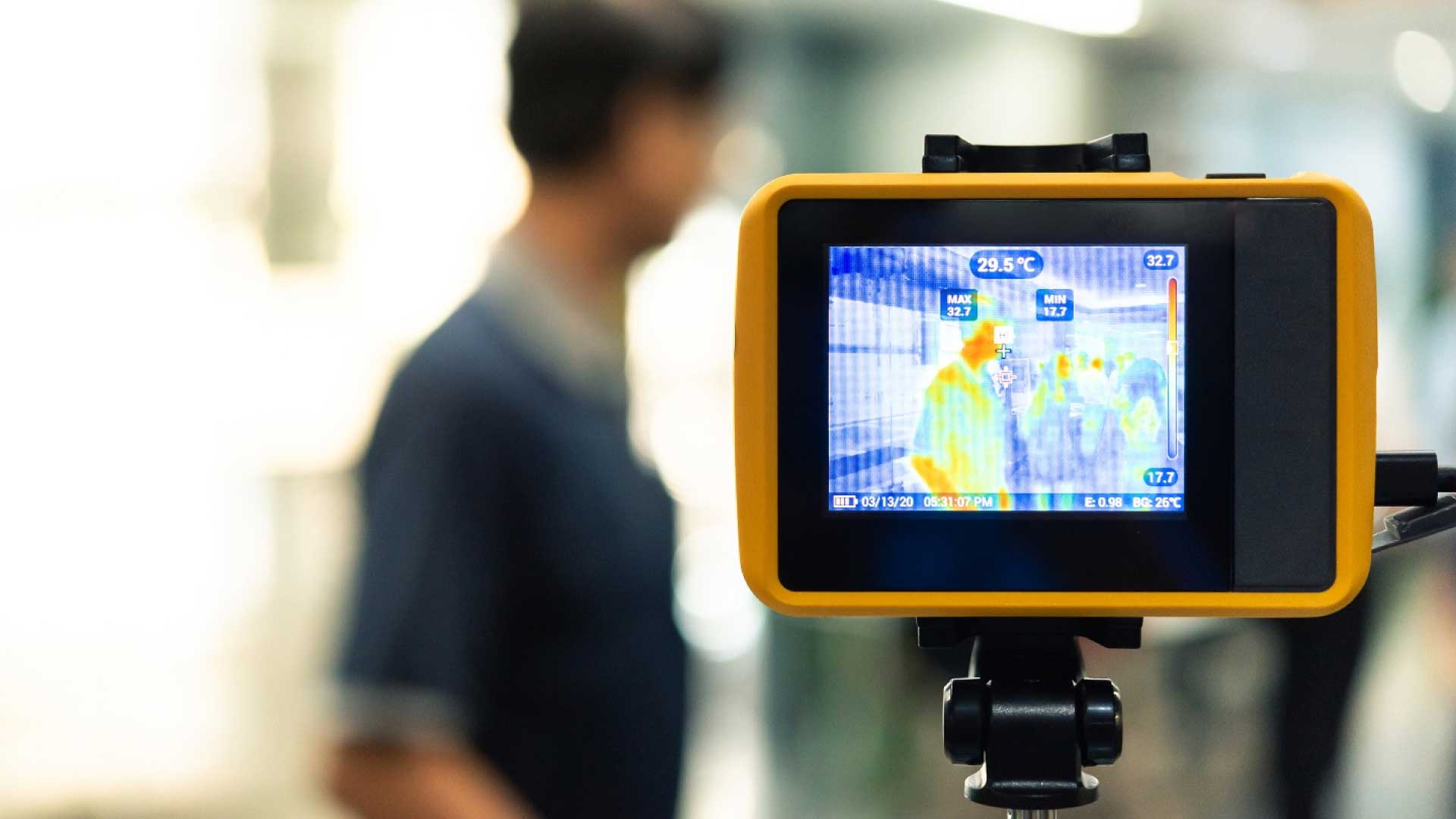
A thermal imaging system is a device that detects infrared radiation (heat) emitted by objects and converts it into a visible image. Unlike conventional cameras that rely on visible light, thermal cameras work in complete darkness, fog, smoke, or other challenging conditions. Every object with a temperature above absolute zero emits infrared radiation. Thermal cameras sense this radiation and display it as a heat map, where different colors represent varying temperatures.
This non-contact temperature measurement technology is especially useful in detecting issues that would otherwise go unnoticed — such as overheating electrical components, energy losses in buildings, or hidden moisture.
How Do Thermal Imaging Systems Work?
Thermal imaging systems operate using infrared sensors, also known as microbolometers. These sensors detect heat differences between objects and the surrounding environment. The collected data is then processed and displayed as a color-coded image, where:
-
Red, orange, and yellow indicate higher temperatures.
-
Blue, purple, and green represent cooler areas.
By analyzing these patterns, engineers and technicians can easily spot faults, leaks, or inefficiencies. The higher the resolution and sensitivity of the camera, the more accurate and detailed the thermal image.
Key Applications of Thermal Imaging Systems
1. Electrical and Mechanical Inspection
In the industrial sector, thermal imaging plays a major role in predictive maintenance. Engineers use thermal cameras to inspect electrical panels, motors, bearings, and transformers to detect hot spots, loose connections, or overloads before they lead to breakdowns or fire hazards. Regular thermal inspection reduces downtime, increases safety, and helps plan maintenance more effectively.
2. Building and Construction
Thermal imaging systems are invaluable in building diagnostics. They can identify insulation defects, air leaks, water infiltration, and thermal bridges in walls, windows, and roofs. This helps engineers improve energy efficiency and ensure structural integrity. Building inspectors and energy auditors frequently use these systems to assess heat loss in residential and commercial properties.
3. Firefighting and Emergency Response
In firefighting, thermal imaging cameras help rescuers locate trapped individuals through smoke, identify fire hotspots, and navigate dark or smoky environments safely. They also assist in post-fire inspections to detect remaining heat sources that could reignite fires.
4. Security and Surveillance
Thermal cameras are increasingly used in surveillance and perimeter security. Since they detect heat signatures instead of relying on visible light, they can detect intruders even in total darkness, through foliage, or in harsh weather conditions. Military and law enforcement agencies utilize thermal imaging for night patrols, border monitoring, and search-and-rescue missions.
5. Medical and Veterinary Use
In healthcare, thermal imaging systems are used to detect abnormal heat patterns associated with inflammation, infection, or poor blood circulation. Similarly, veterinarians use thermal cameras to diagnose injuries or infections in animals without causing stress or discomfort.
6. Environmental and Agricultural Monitoring
Thermal imaging also supports environmental studies, such as monitoring wildlife, forest fires, and pollution sources. In agriculture, farmers use thermal drones to monitor crop health, irrigation patterns, and soil temperature variations, improving productivity and sustainability.
Benefits of Using Thermal Imaging Systems
-
Non-Contact Measurement: Enables safe temperature detection from a distance.
-
Early Problem Detection: Identifies hidden faults before they become serious issues.
-
Improved Safety: Reduces risks in high-voltage or hazardous areas.
-
Energy Efficiency: Helps detect heat losses and optimize energy use.
-
All-Weather Operation: Works in darkness, fog, smoke, or any lighting condition.
Latest Advancements in Thermal Imaging Technology
Modern thermal imaging systems have evolved significantly, offering higher resolutions, compact designs, and AI-powered analytics. Integration with drones and mobile devices has made thermal inspection more flexible and accessible. Many systems now feature real-time data sharing, cloud-based monitoring, and automatic temperature alerts, enhancing both speed and accuracy.
Manufacturers are also combining thermal imaging with visual cameras, allowing users to overlay thermal and visible images for better context and reporting. These innovations have expanded the use of thermal technology beyond industrial and defense sectors into commercial and consumer markets.
Thermal Imaging Systems in Bangladesh
In Bangladesh, the demand for thermal imaging systems is steadily increasing across industries such as power, construction, environmental monitoring, and public safety. Engineering and environmental service providers are adopting advanced thermal cameras for inspections, energy audits, and preventive maintenance. With growing emphasis on industrial safety and energy efficiency, thermal imaging has become an essential part of modern infrastructure management.
Topics