Torque Calibration
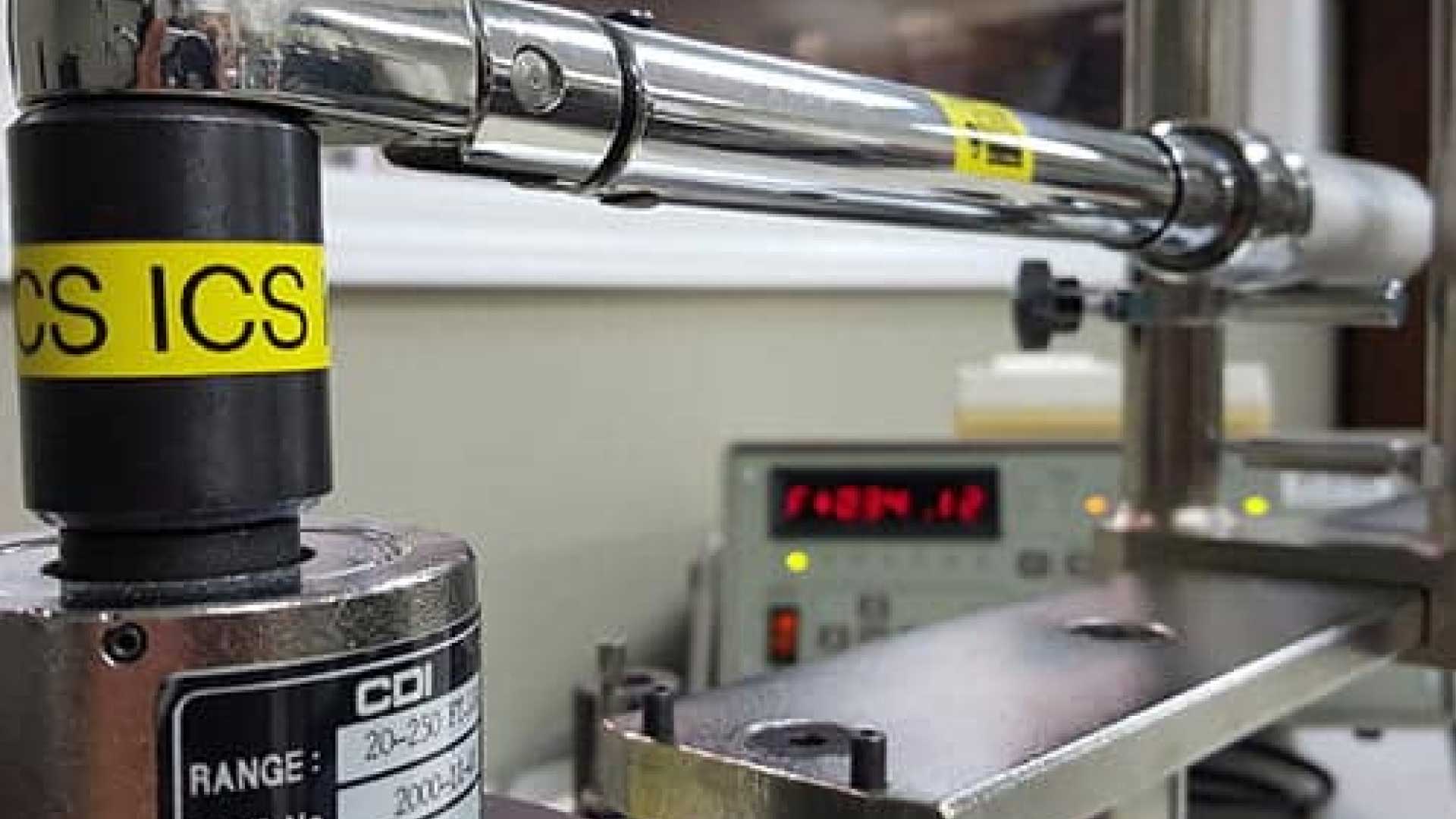
Torque calibration is a critical process in industries where precision and safety are non-negotiable. From automotive manufacturing to aerospace engineering, ensuring that tools and equipment deliver the correct torque can prevent costly mistakes, reduce wear and tear, and improve overall efficiency.
The importance of torque calibration lies in its ability to verify and adjust torque tools, ensuring they perform within their specified tolerance. Torque, essentially the measure of rotational force applied to a fastener, must be accurate to avoid under-tightening or over-tightening, both of which can lead to equipment failure or safety hazards.
What is Torque Calibration?
Torque calibration is the process of comparing the output of a torque tool to a known standard or reference to determine its accuracy. It involves applying torque to a device or fastener and measuring the resulting force using specialized calibration equipment. By doing this, engineers and technicians can ensure that torque wrenches, screwdrivers, and other tools provide precise torque levels.
There are several methods for torque calibration, including static and dynamic calibration techniques. Static calibration measures torque when the tool is at rest, while dynamic calibration evaluates the torque during actual use, simulating real-world conditions. Each method has its advantages, and the choice depends on the type of tool and the required accuracy.
Why Torque Calibration is Essential
-
Safety Assurance
Incorrect torque levels can lead to mechanical failure, putting personnel and equipment at risk. Torque calibration ensures that fasteners are tightened correctly, reducing the likelihood of accidents and enhancing workplace safety. -
Quality Control
In manufacturing, consistent torque application is vital for maintaining product quality. Calibration helps companies meet stringent industry standards, ensuring that every product meets precise specifications. -
Equipment Longevity
Applying too much or too little torque can cause wear and tear on machinery. Regular torque calibration minimizes this risk, extending the lifespan of tools and machinery while reducing maintenance costs. -
Regulatory Compliance
Many industries, such as automotive, aerospace, and construction, require documented torque calibration to comply with safety regulations. Companies that maintain proper calibration records can demonstrate adherence to these standards, avoiding penalties and legal issues.
Types of Torque Calibration Tools
Several tools are commonly used for torque calibration:
-
Torque Wrenches: These are the most widely used tools, designed to apply a specific torque to a fastener. They require regular calibration to maintain accuracy.
-
Torque Screwdrivers: Used for smaller fasteners in electronics or precision machinery, these tools also need frequent calibration.
-
Torque Testers: These are standalone devices used to calibrate torque tools, providing precise measurements and records.
The Calibration Process
The torque calibration process typically follows these steps:
-
Preparation: The torque tool is cleaned and inspected for damage. Proper preparation ensures accurate results.
-
Reference Setup: The calibration device or reference standard is set up, often traceable to national or international measurement standards.
-
Measurement: The tool is tested at multiple torque levels, comparing the applied torque to the reference standard.
-
Adjustment: If discrepancies are found, the tool is adjusted according to manufacturer specifications.
-
Documentation: A calibration certificate is issued, recording the results, tolerances, and traceability.
Frequency of Torque Calibration
The frequency of torque calibration depends on several factors: the type of tool, usage intensity, and industry requirements. High-precision applications, such as aerospace or medical devices, may require calibration every few months. In general manufacturing, annual calibration is common, but frequent use or harsh operating conditions may necessitate more frequent checks.
Benefits of Professional Torque Calibration Services
Outsourcing torque calibration to professional service providers ensures that your tools are accurately calibrated using certified equipment and experienced technicians. These services offer:
-
Traceable Calibration Certificates: Essential for compliance and quality audits.
-
High Accuracy: Reducing risks of tool failure and ensuring precise torque application.
-
Time and Cost Savings: Avoiding in-house calibration setup, which can be resource-intensive.
By maintaining calibrated tools, companies not only comply with regulations but also improve operational efficiency, product quality, and overall safety.
Topics