Detailed Topographic Survey

Detailed Topographic Survey in Bangladesh
A Detailed Topographic Survey is one of the most essential components of modern engineering, land development, construction planning, and environmental assessment. In Bangladesh, where land characteristics vary from dense urban zones to flood-prone rural landscapes, the need for accurate topographic information is more critical than ever. From highway design to drainage planning, from land acquisition to structural development—every project starts with knowing the shape, features, and condition of the land. This is where a Detailed Topographic Survey in Bangladesh plays a transformative role.
What is a Detailed Topographic Survey?
A Detailed Topographic Survey is a comprehensive mapping process that records all natural and man-made features on a piece of land. It includes horizontal and vertical measurements, showing the exact position, dimension, and elevation of each element.
Features typically captured in a topographic survey include:
-
Ground levels and elevation points
-
Existing structures and buildings
-
Trees, vegetation, and natural features
-
Roads, pavements, walkways
-
Drainage systems, canals, water bodies
-
Electric poles, transformers, gas lines
-
Boundary lines and fences
-
Slopes, embankments, and contour patterns
Unlike basic land surveys, a detailed topographic survey focuses on precision and in-depth documentation, which engineers use for planning and design.
Why Detailed Topographic Survey is Important in Bangladesh
Bangladesh faces unique geographical and environmental challenges. Seasonal flooding, river erosion, high population density, and rapid development require surveys that are more accurate than ever. The demand for Detailed Topographic Survey in Bangladesh has significantly increased in recent years due to:
1. Urban Expansion
Dhaka, Chattogram, Sylhet, and other cities are rapidly expanding. To construct roads, bridges, drainage systems, and new structures, planners need exact land levels and features.
2. Flood & Water Management
Bangladesh is a delta country with complex water flow patterns. Proper drainage design is impossible without knowing the terrain’s elevation.
3. Infrastructure Development
Mega projects like bridges, expressways, rail lines, and industrial zones depend heavily on precise topographic data.
4. Land Disputes & Documentation
A detailed survey helps determine boundaries, elevations, and site conditions—reducing legal disputes.
5. Environmental Assessment
Environmental Impact Assessments (EIA), disaster risk studies, and land-use planning require accurate topography.
For these reasons, the role of Detailed Topographic Survey in Bangladesh has become vital for both government and private sectors.
How a Detailed Topographic Survey is Conducted
A topographic survey involves a combination of fieldwork, technological tools, and mapping techniques. The process generally includes:
1. Reconnaissance Survey
Surveyors visit the site to understand its physical characteristics and plan the workflow.
2. Instrument Setup
Tools such as Total Stations, GNSS/GPS receivers, Auto Levels, and laser scanners are used to measure positions and elevations.
3. Field Data Collection
Surveyors collect thousands of data points, including:
-
Elevation points
-
Spot levels
-
Road gradients
-
Physical features
-
Utility lines
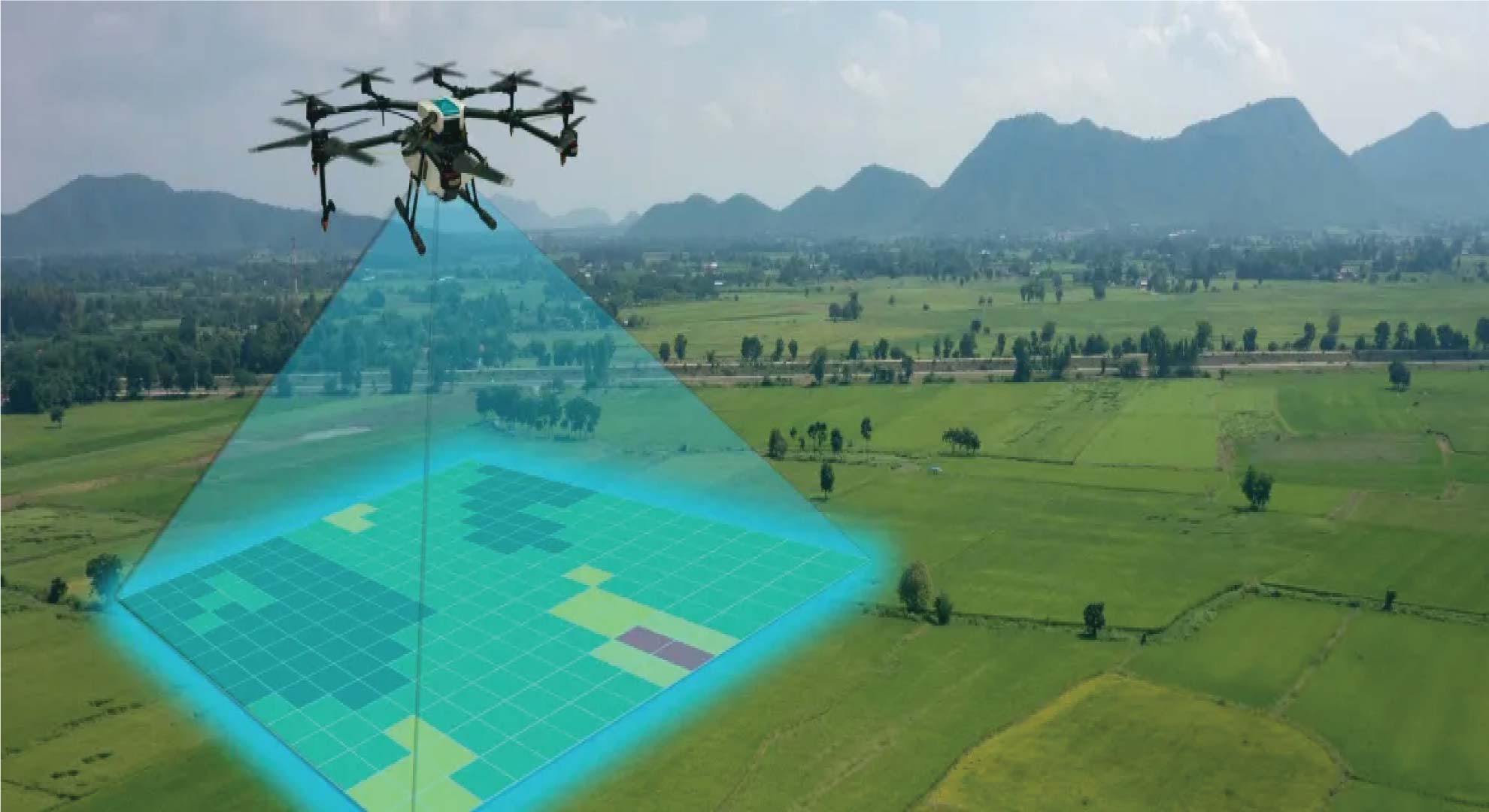
In Bangladesh, drone-based surveys are also becoming popular for large-scale mapping.
4. Data Processing
Using advanced software like AutoCAD, Civil 3D, ArcGIS, or global mapping tools, surveyors process field data to create:
-
Contour maps
-
Digital Elevation Models (DEM)
-
Cross-sections and longitudinal profiles
-
Utility maps
5. Final Topographic Drawings and Reports
Clients receive detailed drawings showing all features with accurate coordinates and elevations.
This careful step-by-step procedure ensures that the Detailed Topographic Survey in Bangladesh remains reliable for engineering and development activities.
Tools and Technologies Used in Bangladesh
Topographic survey companies in Bangladesh increasingly use modern equipment for accuracy and efficiency. Common tools include:
-
Total Station (Leica, Topcon, Sokkia)
-
RTK GNSS/GPS
-
Auto Level Instruments
-
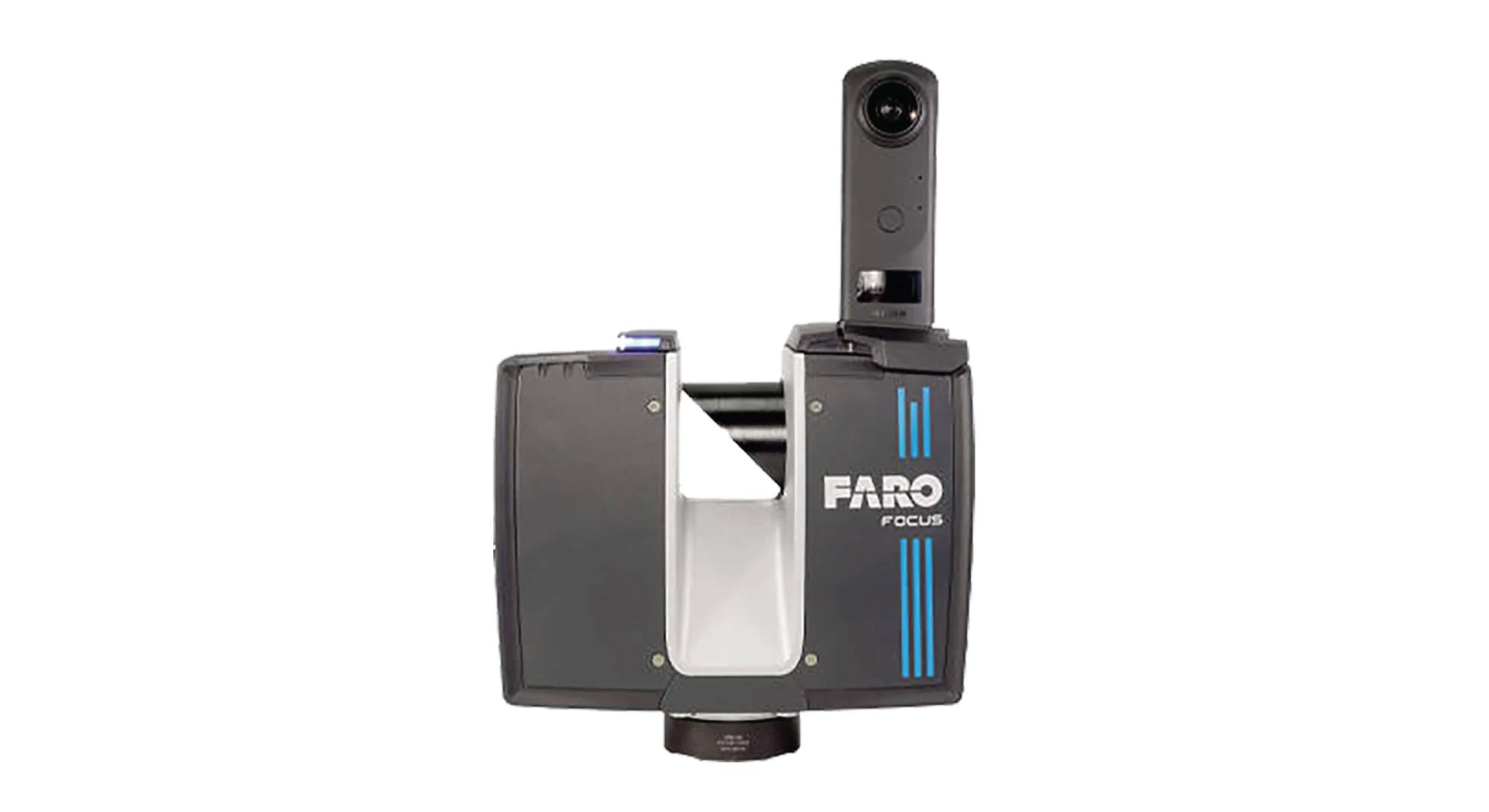
Digital Laser Scanners
-
Drone & UAV Photogrammetry
-
GIS Mapping Software
-
CAD Engineering Software
These technologies help deliver high-precision survey data even in challenging terrains.
Applications of Detailed Topographic Survey in Bangladesh
1. Building & Construction Planning
Architects and engineers use topographic surveys to design foundations, building layouts, access roads, and drainage systems.
2. Road & Highway Engineering
Before constructing highways and bridges, ground profiles and contours are essential for alignment design.
3. Riverbank Protection & Embankment Design
Water development boards and municipalities use topographic maps to plan flood control structures.
4. Land Development Projects
Housing societies, industrial zones, and real-estate companies require accurate land information before development.
5. Utility Mapping
Electrical networks, gas pipelines, and water supply systems depend on land elevation and accurate coordinates.
6. Environmental & Geological Studies
Topographic data helps researchers analyze landform changes, erosion, and environmental impact.
7. Disaster Management
During cyclones or floods, accurate topographic maps help predict water flow and evacuation routes.
Because of these broad applications, the demand for Detailed Topographic Survey in Bangladesh is steadily increasing.
Benefits of a Detailed Topographic Survey
1. Accurate Planning
A topographic survey provides a true picture of the land, enabling engineers to avoid design errors.
2. Cost Saving
Accurate elevations prevent costly rework and unexpected site issues.
3. Risk Reduction
Construction hazards and environmental risks can be identified early.
4. Better Land Utilization
Clients can make efficient design and land use decisions.
5. Smooth Approval Process
Government authorities often require certified topographic surveys for approval.
Challenges in Conducting Topographic Survey in Bangladesh
Despite technological advancements, there are real challenges:
-
Flooded or waterlogged areas
-
River erosion zones
-
Restricted access locations
-
Dense population in cities
-
Weather disruptions
-
Frequent changes in land profile
Professional survey firms overcome these issues through advanced equipment and experienced teams.
Why Hire Professionals for a Detailed Topographic Survey in Bangladesh
Hiring an experienced survey company ensures:
-
High-accuracy data
-
Reliable drawings
-
Use of modern equipment
-
Fast project completion
-
Compliance with engineering standards
Many companies in Bangladesh now offer drone-based topographic survey, seismic survey, GIS mapping, and environmental inspection services.
Conclusion
A Detailed Topographic Survey is one of the most essential steps before any engineering, construction, or development project. In a geographically complex country like Bangladesh, accurate mapping of land features and elevations is crucial for safe, efficient, and sustainable development. Whether it’s a road, a building, a drainage system, an industrial site, or an environmental study, the need for Detailed Topographic Survey in Bangladesh will continue to grow as the country advances toward a more developed future.
If you need a reliable and professional topographic survey, choosing certified experts with advanced tools ensures accuracy, trust, and long-term success for your project.
Share This Wings
Related Post

Bathymetric Survey

Rtk & Gnss Based Mapping
Terrestrial Mapping
Digital Photogrammetry
-1759231640.jpg "Seismic Cross Hole Test")
Seismic Cross Hole Test
-1759231739.jpg "Seismic Down Hole Test")
Seismic Down Hole Test

Seismic Refraction Test Set

Seismic Reflection Test Set
-1759232744.jpg "Electrical Resistivity Tomography")
Electrical Resistivity Tomography
-1759233046.jpg "Standard Penetration Test (SPT)")
Standard Penetration Test (SPT)
Cone Penetration (CPT)
Pressure Meter Test (PMT)

Light Weight Deflectometer (LWD)
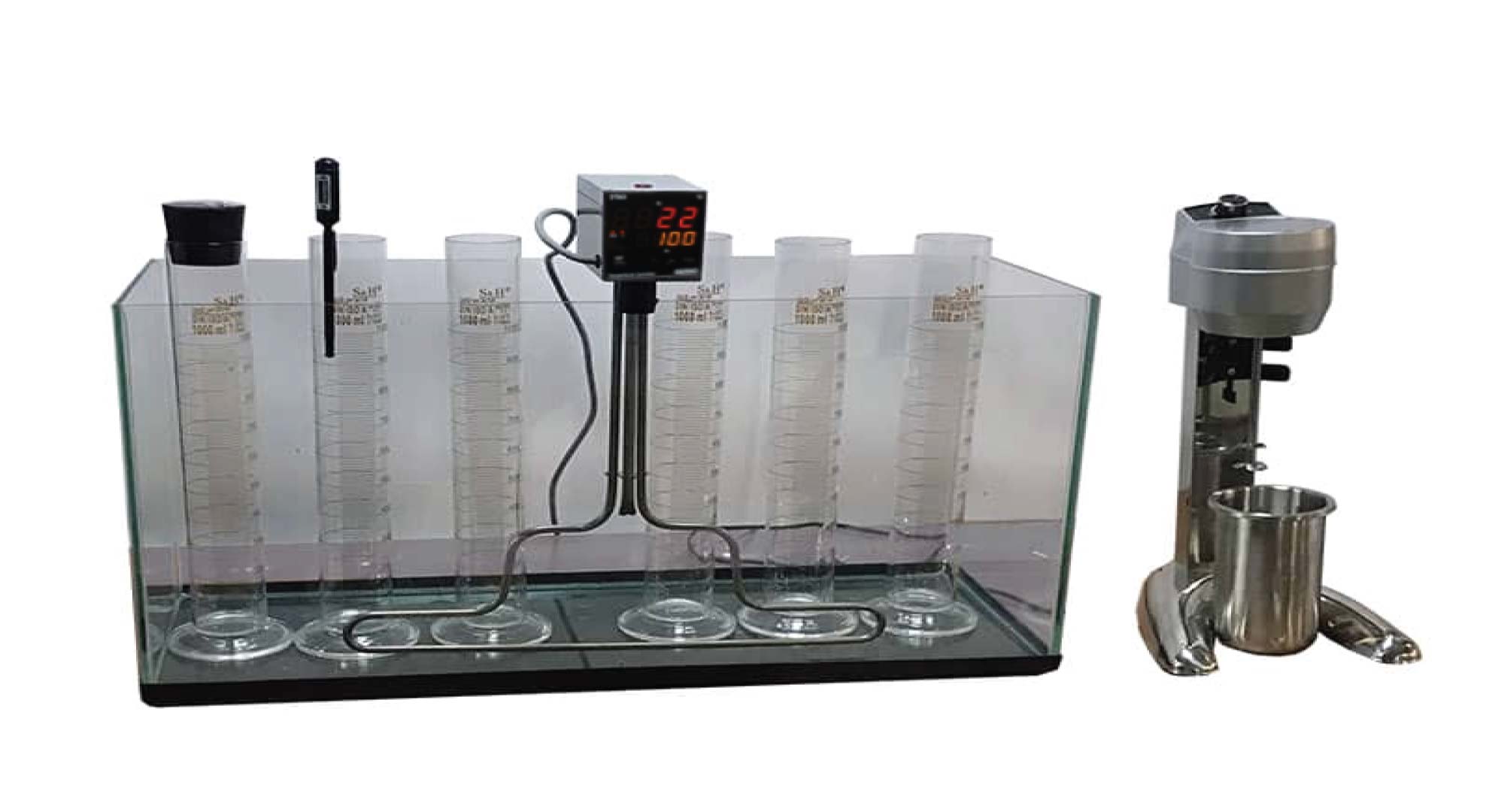
Hydrometer Test

Sediment Density Test
-Test-1759233731.jpg "Total Suspended Solids Test (TSS)")
Total Suspended Solids Test (TSS)
-1759233883.jpg "River Bed Mapping")
River Bed Mapping
Detailed Topographic Survey

Seismic Survey
Topics