Biomedical Equipment Calibration
- Published inHealthcare
- Jun 27, 2024
- 1.59 Min
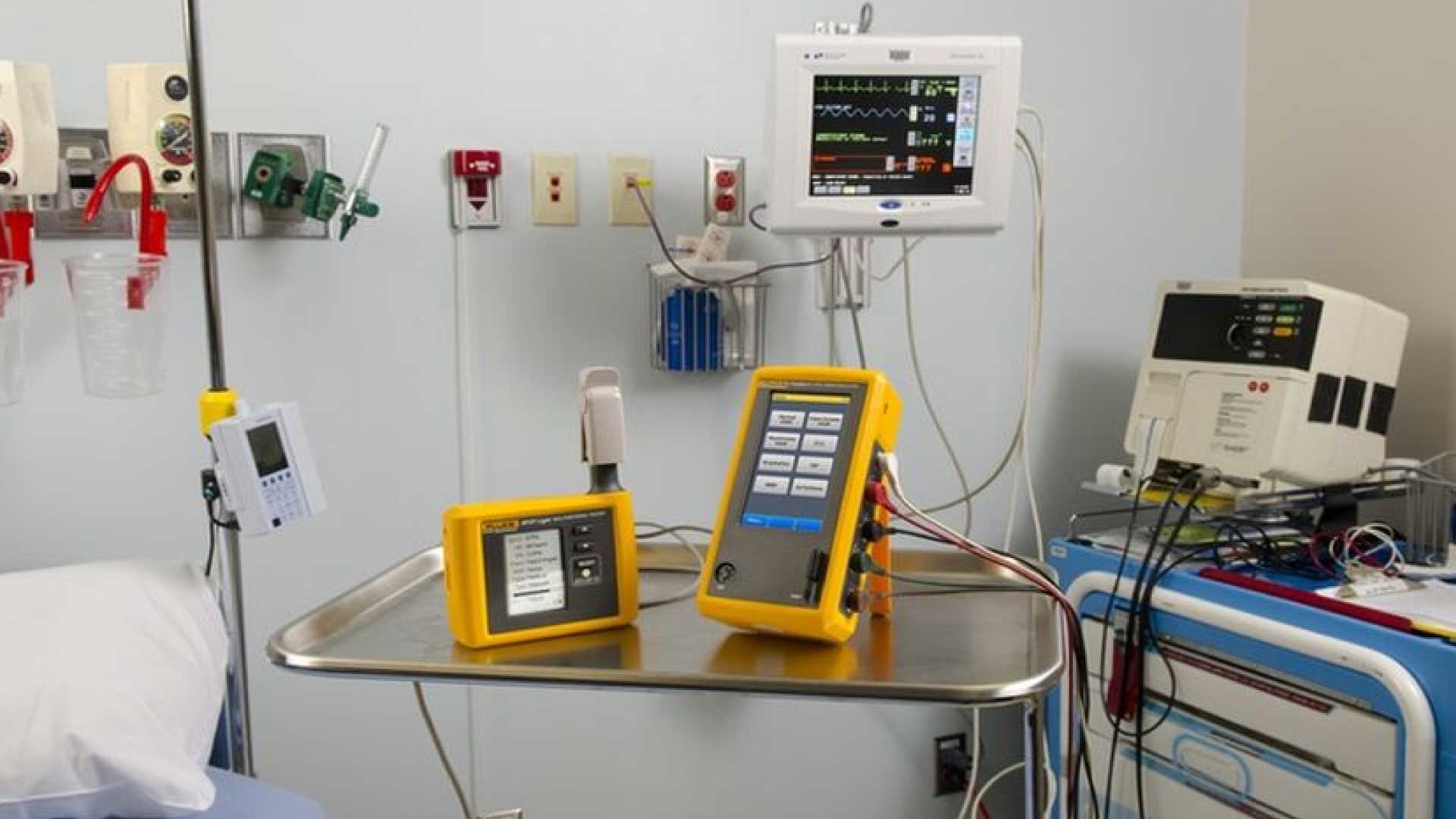
Biomedical Equipment Calibration is an essential process in healthcare facilities to ensure that medical devices function accurately and reliably. Hospitals, clinics, and laboratories rely heavily on biomedical equipment for patient diagnosis, monitoring, and treatment. Any deviation in the performance of these devices can lead to misdiagnosis, ineffective treatment, or even risk to patient safety. That’s why proper calibration is not just a technical requirement—it’s a critical part of patient care and healthcare quality assurance.
Why Biomedical Equipment Calibration Matters
Biomedical equipment calibration involves testing and adjusting medical devices to ensure their measurements are precise and consistent with defined standards. Devices such as infusion pumps, ECG machines, blood pressure monitors, X-ray machines, and ventilators require periodic calibration to maintain their accuracy.
Accurate calibration ensures that devices provide reliable data, which is vital for healthcare professionals making critical decisions. For instance, a slightly inaccurate blood pressure monitor could lead to incorrect medication dosage, while an uncalibrated ventilator could affect a patient’s oxygen supply. Calibration helps prevent these errors and ensures compliance with regulatory standards set by authorities such as ISO, IEC, and local health ministries.
Regular calibration also extends the lifespan of medical devices. When equipment is maintained correctly, wear and tear can be detected early, and corrective action can be taken before any serious malfunction occurs. This proactive approach reduces downtime, avoids costly repairs, and enhances the overall efficiency of healthcare facilities.
Another significant advantage of biomedical equipment calibration is patient trust. Hospitals and diagnostic centers that follow strict calibration protocols demonstrate a commitment to quality and safety, which builds confidence among patients. Patients are more likely to trust facilities that prioritize accurate and reliable healthcare services.
In addition to patient safety, calibration plays a crucial role in research and clinical trials. Laboratories working with experimental treatments or diagnostic procedures must rely on precise measurements to validate their results. Even minor errors in readings can compromise the validity of research findings, making calibration indispensable for scientific credibility.
Professional biomedical calibration services typically involve certified technicians using standardized reference instruments. These experts perform comprehensive checks, adjustments, and documentation for each device. Documentation is crucial, as it provides a verifiable record that the equipment has been calibrated according to the required standards—a factor often inspected during audits and certifications.
For healthcare facilities in Bangladesh and worldwide, investing in routine biomedical equipment calibration is a cost-effective strategy that safeguards patient health, ensures compliance, and optimizes operational efficiency. Whether it’s a small clinic or a large hospital, proper calibration procedures should be considered an integral part of medical equipment management.
Related Industries

Topics