Medical Instruments Installation
- Published inHealthcare
- Jun 27, 2024
- 1.49 Min
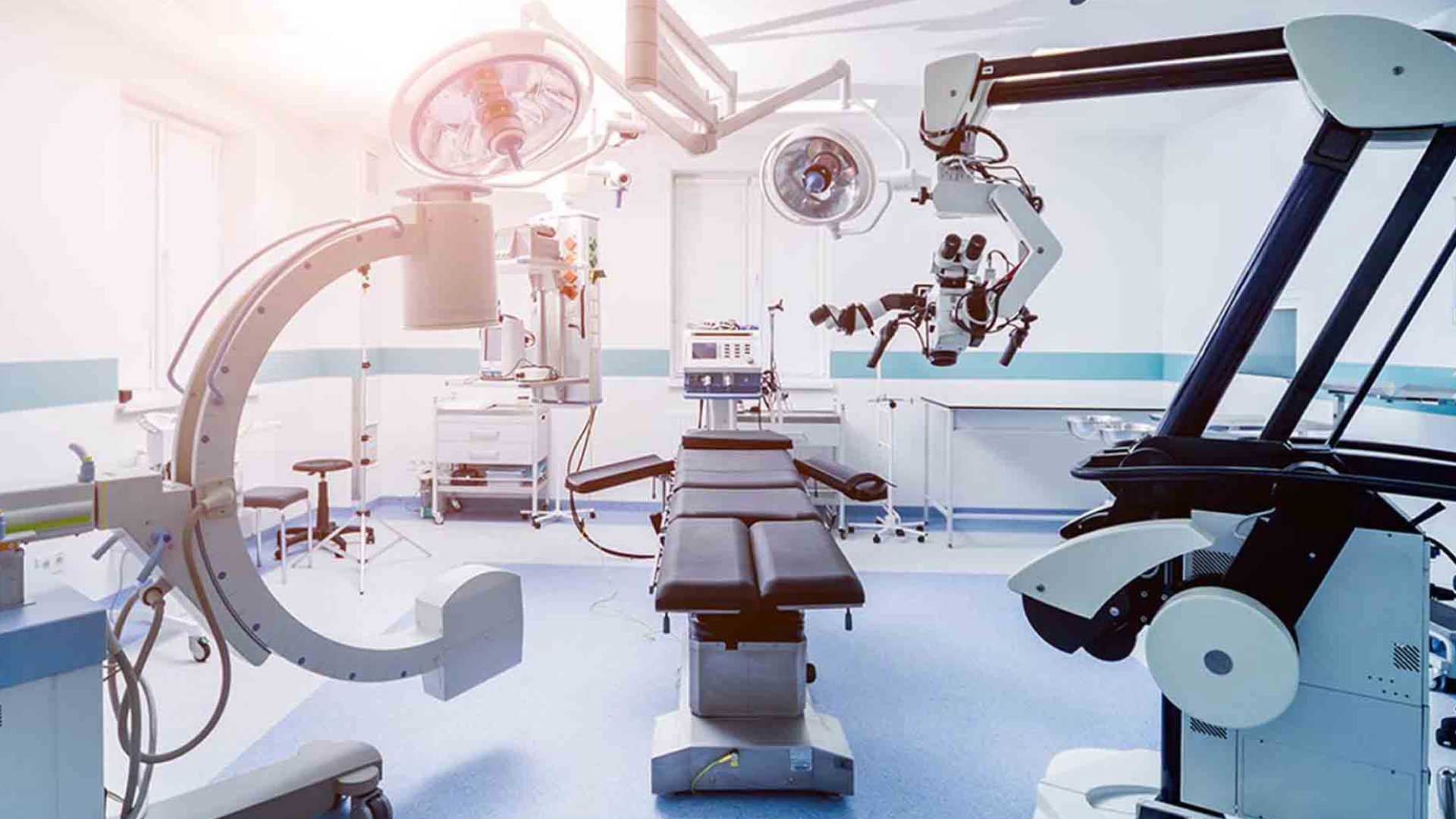
Medical instruments installation is a critical aspect of setting up a fully functional healthcare facility. Proper installation ensures that medical equipment operates efficiently, maintains accuracy, and complies with safety standards. Hospitals, diagnostic labs, and clinics rely on precise installation to deliver reliable patient care.
Importance of Professional Installation
Professional medical instruments installation goes beyond simply connecting devices to power sources. It involves careful calibration, alignment, and testing to guarantee optimal performance. Instruments such as X-ray machines, ultrasound devices, laboratory analyzers, and sterilization units require specialized knowledge for installation. Improper setup can lead to measurement errors, equipment malfunction, or even safety hazards for patients and healthcare staff.
Expert installation also ensures compliance with regulatory standards. In countries like Bangladesh, healthcare facilities must follow strict guidelines for equipment use, maintenance, and safety. Certified professionals not only install the devices but also provide essential documentation, validation, and training for staff to operate them correctly.
Steps Involved in Medical Instruments Installation
-
Site Preparation: Before installation, the location must meet specific requirements such as adequate space, proper ventilation, and stable electrical connections. Environmental factors like humidity, temperature, and lighting are also considered to prevent damage to sensitive instruments.
-
Equipment Unpacking and Inspection: Every device undergoes a thorough inspection to ensure no damage occurred during transit. Accessories, manuals, and components are checked for completeness.
-
Positioning and Setup: Instruments are carefully placed according to manufacturer guidelines. For imaging devices or laboratory analyzers, precise positioning is crucial to obtain accurate readings and smooth workflow.
-
Electrical and Network Connections: Many modern medical instruments require power supply, grounding, and integration with hospital information systems. Professional installers ensure connections are secure and meet safety protocols.
-
Calibration and Testing: Calibration is performed using standard procedures to verify measurement accuracy. Functional tests are conducted to ensure the device works under real operating conditions.
-
User Training: Staff is trained on operational procedures, safety measures, and basic troubleshooting. Proper training reduces human errors and extends the equipment's lifespan.
Benefits of Expert Installation
Opting for expert medical instruments installation provides several advantages. It enhances operational efficiency, reduces downtime, and prolongs equipment life. Accurate installation improves diagnostic reliability, ensuring better patient outcomes. Additionally, professional installation services often include periodic maintenance checks, updates, and technical support, providing peace of mind for healthcare providers.
In the fast-evolving medical industry, where technology continuously advances, proper installation of medical instruments is indispensable. Hospitals, clinics, and laboratories benefit immensely from partnering with specialized installation services that combine technical expertise with compliance knowledge.
Related Industries
Topics