Brake Disc Wear Inspection
- Published inTransportation System
- Jun 27, 2024
- 2.04 Min
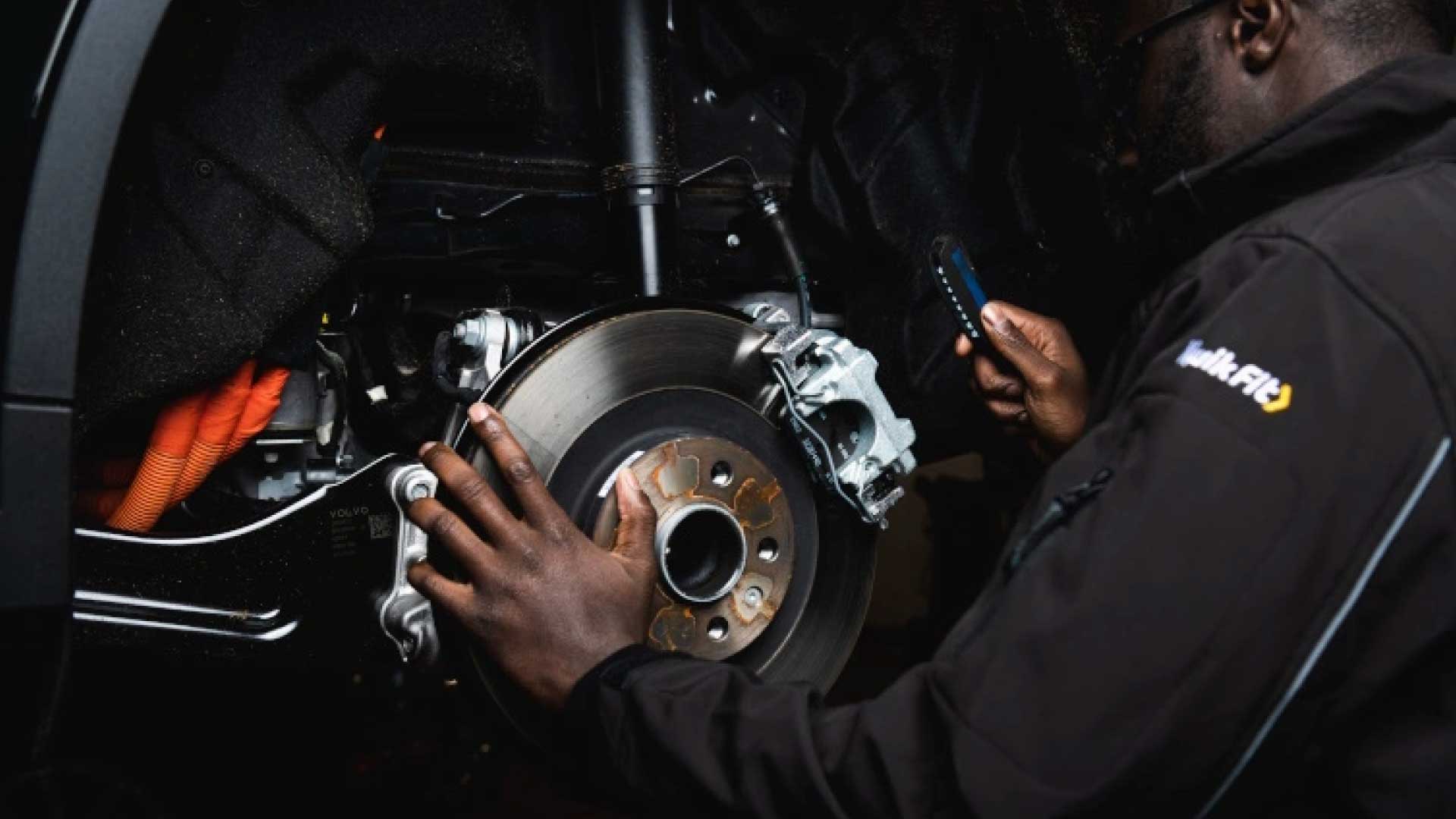
Brake discs, also known as rotors, are critical components of a vehicle's braking system. They work in conjunction with brake pads to ensure smooth and effective braking. Over time, brake discs experience wear due to friction, heat, and environmental factors. Regular brake disc wear inspection is essential to maintain vehicle safety, performance, and longevity.
Understanding Brake Disc Wear
Brake discs are typically made of cast iron, although some high-performance vehicles use carbon or ceramic composites. The primary function of the disc is to provide a surface for the brake pads to press against, converting kinetic energy into heat and slowing down the vehicle. However, repeated braking can lead to wear, warping, or scoring of the discs.
Signs of worn brake discs include unusual noises such as squealing or grinding, vibration during braking, and increased stopping distances. Neglecting these signs can compromise safety and lead to more expensive repairs.
Causes of Brake Disc Wear
Several factors contribute to brake disc wear:
-
Friction from Brake Pads: Every time you apply the brakes, the pads press against the discs, causing gradual wear. Hard braking and frequent stops accelerate this process.
-
Heat Build-up: Excessive heat from continuous braking can cause disc warping, cracks, and glazing, reducing braking efficiency.
-
Corrosion: Moisture, salt, and other environmental elements can lead to rust, weakening the discs over time.
-
Driving Habits: Aggressive driving, heavy loads, and steep downhill driving increase the stress on the braking system.
-
Poor Maintenance: Failing to inspect and replace worn brake pads can damage the discs, leading to uneven wear.
How to Inspect Brake Disc Wear
Regular inspection helps identify issues before they become dangerous. Here’s a step-by-step guide for a basic brake disc wear inspection:
Visual Inspection
Start by checking the disc surface for obvious signs of damage such as grooves, cracks, or rust. Uneven discoloration can indicate heat spots, which may affect braking performance.
Measure Disc Thickness
Brake discs have a minimum thickness specification provided by the manufacturer. Using a micrometer, measure the disc thickness at multiple points. If the disc is below the recommended thickness, it should be replaced immediately.
Check for Warping
Warped discs can cause vibrations and pulsations while braking. To check for warping, observe the brake pedal for irregular feedback while driving or use a dial indicator to measure disc runout.
Listen for Noises
Pay attention to any unusual squealing, grinding, or clicking noises when braking. These sounds often indicate worn discs or pads that need attention.
Monitor Brake Performance
Reduced braking efficiency, longer stopping distances, or a soft brake pedal can indicate disc wear or other issues within the braking system.
Tools Required for Brake Disc Inspection
For a proper inspection, a few tools are essential:
-
Micrometer or Vernier Caliper: To measure disc thickness accurately.
-
Dial Indicator: To check for disc runout and warping.
-
Flashlight: For visual inspection of the disc surface.
-
Jack and Wheel Wrench: To remove the wheels for better access.
Using the correct tools ensures precise measurements and helps prevent misdiagnosis of brake problems.
Importance of Professional Inspection
While some basic inspections can be done at home, a professional mechanic has the expertise and equipment to detect issues that may not be visible. Professionals can also identify related problems such as caliper sticking, pad wear, or fluid leaks. Regular professional inspections extend the life of brake discs, improve vehicle safety, and can prevent costly repairs.
Related Industries

Topics