Road-Marking & Retroreflection Assessment
- Published inTransportation System
- Jun 29, 2024
- 2.13 Min
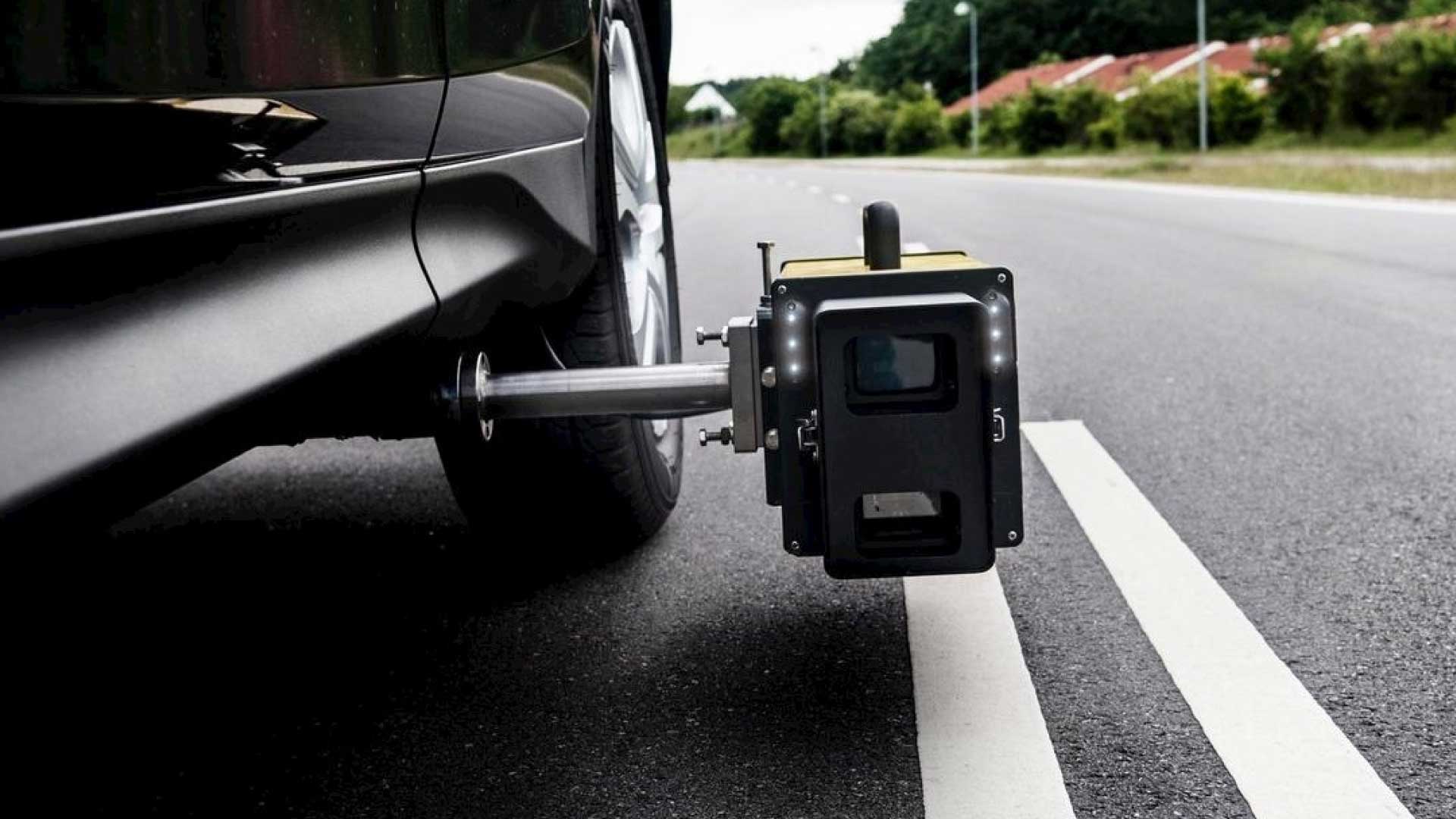
Road safety is a critical aspect of transportation infrastructure, and proper road markings play a significant role in guiding drivers and preventing accidents. Road-marking and retroreflection assessment ensures that these markings are visible, durable, and effective, especially during night-time or adverse weather conditions. In Bangladesh, as traffic volume increases and road networks expand, evaluating the quality of road markings has become more important than ever.
Importance of Road-Marking & Retroreflection
Road markings, such as lane lines, pedestrian crossings, and directional arrows, provide essential visual cues for drivers. These markings help in maintaining traffic discipline and reduce the likelihood of accidents. However, the effectiveness of these markings depends not only on their color and placement but also on their reflective properties.
Retroreflection is the ability of road markings to reflect light from vehicle headlights back to the driver’s eyes. This ensures that drivers can clearly see the markings during night-time driving or in low-light conditions. Without proper retroreflection, even freshly painted road markings may become almost invisible at night, significantly compromising road safety.
Regular assessment of road markings ensures they meet national and international standards for visibility, durability, and reflectivity. This assessment involves measuring the thickness, color intensity, and retroreflective properties of the markings using advanced equipment. By performing these evaluations, road authorities can identify worn-out or faded markings and take corrective actions promptly.
Methods Used in Road-Marking Assessment
Several techniques are used for road-marking and retroreflection assessment to ensure accurate and reliable results. One of the most common methods is the retroreflectometer test, which measures the reflectivity of markings under standardized conditions. This device emits light onto the marking surface and records the reflected light, providing a precise indication of visibility for drivers.
Another method is visual inspection, where trained personnel assess the quality, uniformity, and condition of road markings. This method is often combined with photometric techniques to enhance accuracy. Additionally, modern surveys may employ drone-based or vehicle-mounted cameras to capture high-resolution images of road markings, allowing for a comprehensive evaluation of large road networks efficiently.
Benefits of Regular Assessment
Performing regular road-marking and retroreflection assessments offers numerous benefits. First, it enhances road safety by ensuring that drivers can clearly see lane lines, pedestrian crossings, and warning symbols. This is particularly important in regions with high traffic density or challenging weather conditions, where poor visibility can lead to accidents.
Second, assessment helps in maintenance planning. By identifying areas where markings have faded or lost reflectivity, road authorities can prioritize maintenance work, ensuring cost-effective and timely repairs. This proactive approach prevents the deterioration of road quality and reduces long-term maintenance expenses.
Third, it improves compliance with safety standards. Many countries, including Bangladesh, follow international guidelines for road-marking retroreflection. Regular assessment ensures that road markings meet these standards, reducing legal liabilities and enhancing public confidence in road infrastructure.
Challenges in Road-Marking Assessment
While the importance of assessment is clear, several challenges exist. Environmental factors such as rain, dust, and heavy traffic can degrade road markings faster than expected. In Bangladesh, monsoon seasons often wash away paint and reduce retroreflectivity, making frequent assessment essential.
Another challenge is the availability of advanced equipment. While retroreflectometers and drone technology improve assessment accuracy, they require investment and technical expertise. Training personnel to use these tools correctly is critical for obtaining reliable results.
Despite these challenges, road-marking and retroreflection assessment remains a vital component of modern road management. By investing in proper evaluation techniques, authorities can significantly improve road safety, ensure compliance with standards, and extend the lifespan of road markings.
Related Industries


Topics