Advanced Training Simulators
- Published inFirefighting & Rescue
- Jun 27, 2024
- 1.73 Min
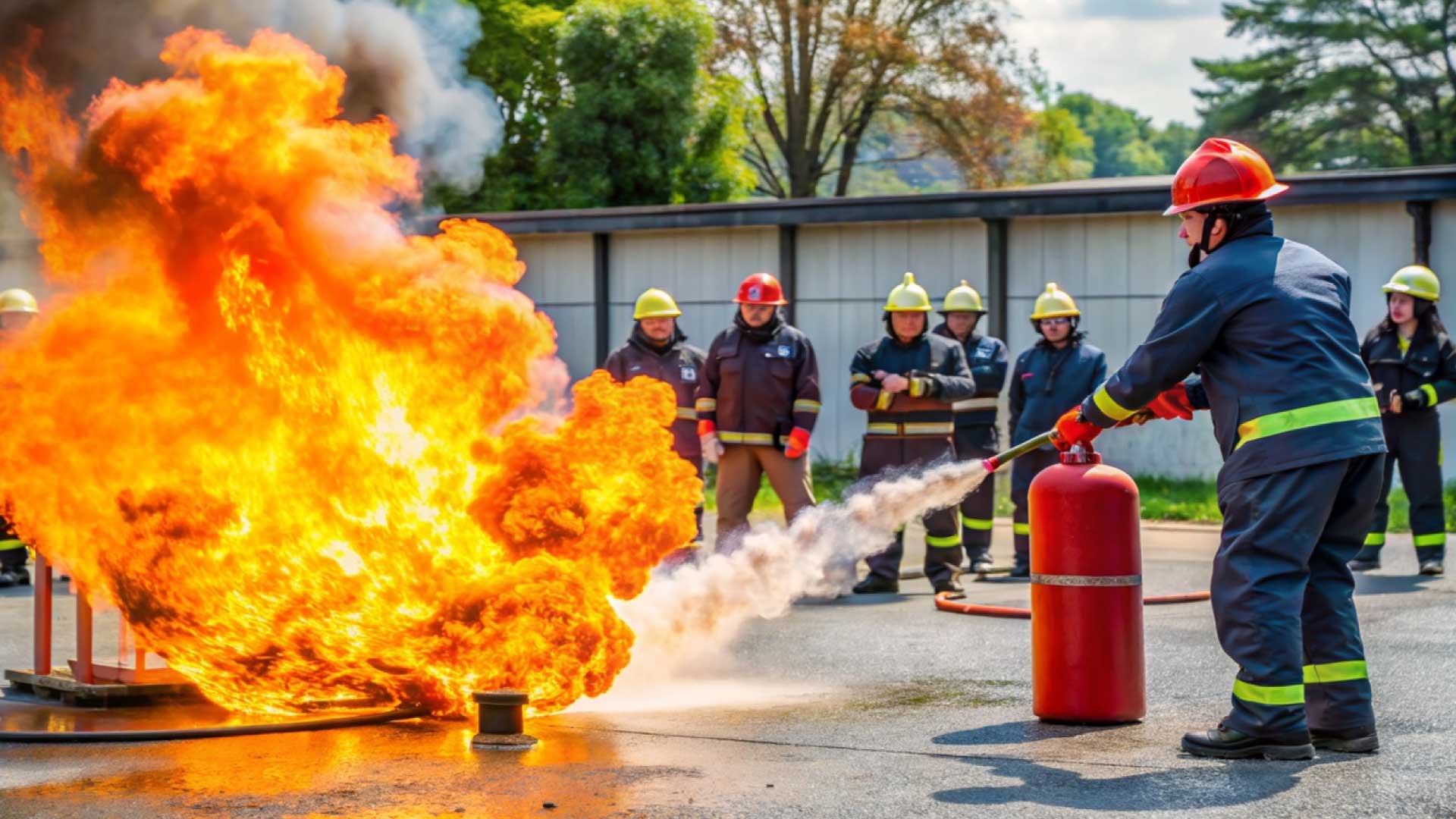
Fire-fighting is not just about bravery; it’s about skill, timing, and decision-making under extreme pressure. Traditional training methods, while effective, often fall short in replicating real-world emergency conditions. That’s where Fire-Fighting Advanced Training Simulators are transforming the landscape of fire safety education. These cutting-edge systems bring lifelike, controlled, and repeatable fire scenarios that help firefighters enhance their tactical and operational skills safely and efficiently.
The Evolution of Firefighter Training
In the past, firefighting training was mostly conducted using live burns or classroom-based sessions. However, these approaches carry limitations—live burns can be risky, costly, and environmentally unfriendly, while classroom sessions lack realism. Modern fire departments and training institutions are now embracing advanced simulation technologies to fill these gaps.
Advanced fire simulators use a blend of virtual reality (VR), augmented reality (AR), and computer-based modeling to mimic diverse fire situations—from industrial plant fires to aircraft or shipboard incidents. These systems enable trainees to experience the intensity of real fire conditions—heat, smoke, noise, and chaos—without the danger or expense of real flames.
Realistic Training, Real-World Impact
Fire-Fighting Advanced Training Simulators replicate critical scenarios such as chemical explosions, electrical fires, and confined space rescues. Trainees can practice using fire hoses, extinguishers, breathing apparatuses, and communication tools just as they would in a real emergency. The benefit is clear: a safer, smarter, and more prepared firefighter force.
These simulators also allow instructors to analyze trainee performance in real time. Every move—how quickly a hose is deployed, how efficiently a rescue is executed, and how well team communication flows—can be reviewed and improved. This data-driven approach ensures measurable skill development and operational readiness.
Key Features of Advanced Training Simulators
Modern fire training simulators come equipped with several innovative features, including:
-
Dynamic Fire Behavior Simulation: Realistic flame spread and smoke movement.
-
Interactive Virtual Environments: Customizable scenarios like buildings, tunnels, or vehicles.
-
Multi-Sensory Feedback: Heat, vibration, and sound to create full immersion.
-
Performance Analytics: Instant feedback and detailed reports for trainees.
-
Remote Learning Capabilities: Cloud-based systems that allow training anytime, anywhere.
Why Advanced Fire Simulators Matter
For both new recruits and experienced firefighters, continuous training is essential. Fire-Fighting Advanced Training Simulators make it possible to train safely and frequently without risking lives or wasting resources. They also contribute to sustainable practices, eliminating the need for live burns that release harmful emissions.
Furthermore, organizations can design customized scenarios relevant to their specific environments—be it industrial zones, airports, oil refineries, or high-rise complexes. This targeted approach ensures that every firefighter is prepared for the unique challenges of their operational setting.
Fire-Fighting Advanced Training Simulators are redefining how firefighting professionals learn, adapt, and respond to emergencies. By merging technology with practical experience, these simulators build confidence, reduce training risks, and enhance overall fire safety standards in the modern world.
Related Industries
-1731230110.jpg)
Topics