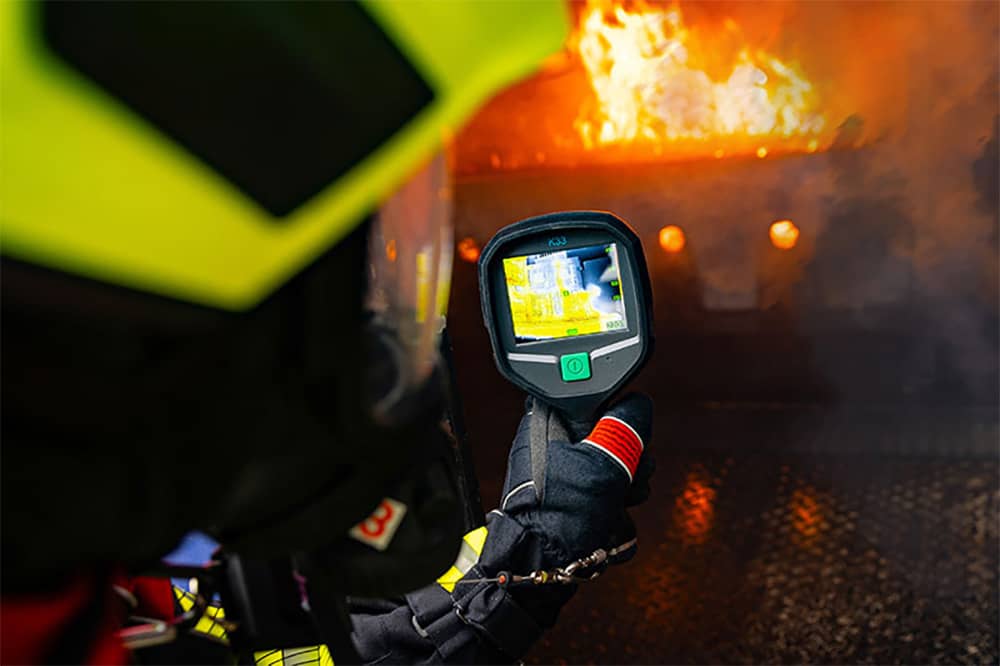
In modern fire safety, Fire-Fighting Thermal Imaging has become a game-changing technology that enhances the visibility, efficiency, and safety of firefighters in life-threatening environments. Traditional firefighting relies heavily on human vision, which becomes almost impossible in dense smoke, darkness, or extreme heat. Thermal imaging cameras (TICs) overcome these limitations by detecting infrared radiation—allowing firefighters to see through smoke, identify heat sources, and locate victims quickly.
How Fire-Fighting Thermal Imaging Works
Thermal imaging operates by converting heat (infrared radiation) into visible images. Every object emits infrared energy depending on its temperature. A thermal imaging camera captures these variations and displays them as color-coded visuals—highlighting hot areas in bright colors and cooler areas in darker tones.
For example, during a building fire, the camera can reveal the hottest structural points, detect hidden fire behind walls, or identify trapped individuals through body heat. This advanced vision helps firefighters make faster, safer, and more informed decisions.
Key Benefits of Thermal Imaging in Firefighting
1. Enhanced Visibility in Smoke and Darkness
One of the biggest challenges during a fire is limited visibility. Thermal imaging enables firefighters to see clearly through dense smoke and total darkness, ensuring better navigation and safety.
2. Faster Victim Rescue
Every second counts in a fire emergency. With thermal imaging, firefighters can detect human heat signatures even when victims are hidden under debris or behind walls, drastically improving rescue response time.
3. Identifying Hotspots and Hidden Fires
Even after flames are extinguished, hidden hotspots may still remain. Firefighters use thermal cameras to identify these areas, preventing re-ignition and ensuring complete fire suppression.
4. Improved Safety for Firefighters
By understanding heat patterns and potential collapse zones, firefighters can assess risk areas more accurately. This minimizes exposure to extreme temperatures and structural hazards.
5. Effective Post-Fire Inspection
After a fire, thermal imaging is invaluable for investigation and analysis. It helps determine the origin of the fire, assess damage, and ensure safety before re-entry.
Modern Applications of Fire-Fighting Thermal Imaging
Fire departments worldwide are adopting thermal imaging not only for firefighting but also for search-and-rescue operations, industrial fire monitoring, and hazardous material inspections. Advanced firefighting thermal imaging cameras are now compact, durable, and designed for real-time data sharing, allowing coordination between teams.
Additionally, integrating thermal imaging with drones and AI-based systems has opened new possibilities. Firefighting drones equipped with infrared cameras can scan large areas quickly, detect fire spread patterns, and locate victims in unreachable zones—improving efficiency and safety during large-scale disasters.
Fire-Fighting Thermal Imaging in Bangladesh
In Bangladesh, where urban fire incidents are increasing due to rapid industrialization, Fire-Fighting Thermal Imaging is becoming a vital tool for emergency response units. Fire departments and industrial safety teams are gradually implementing thermal imaging solutions to improve situational awareness and save lives.
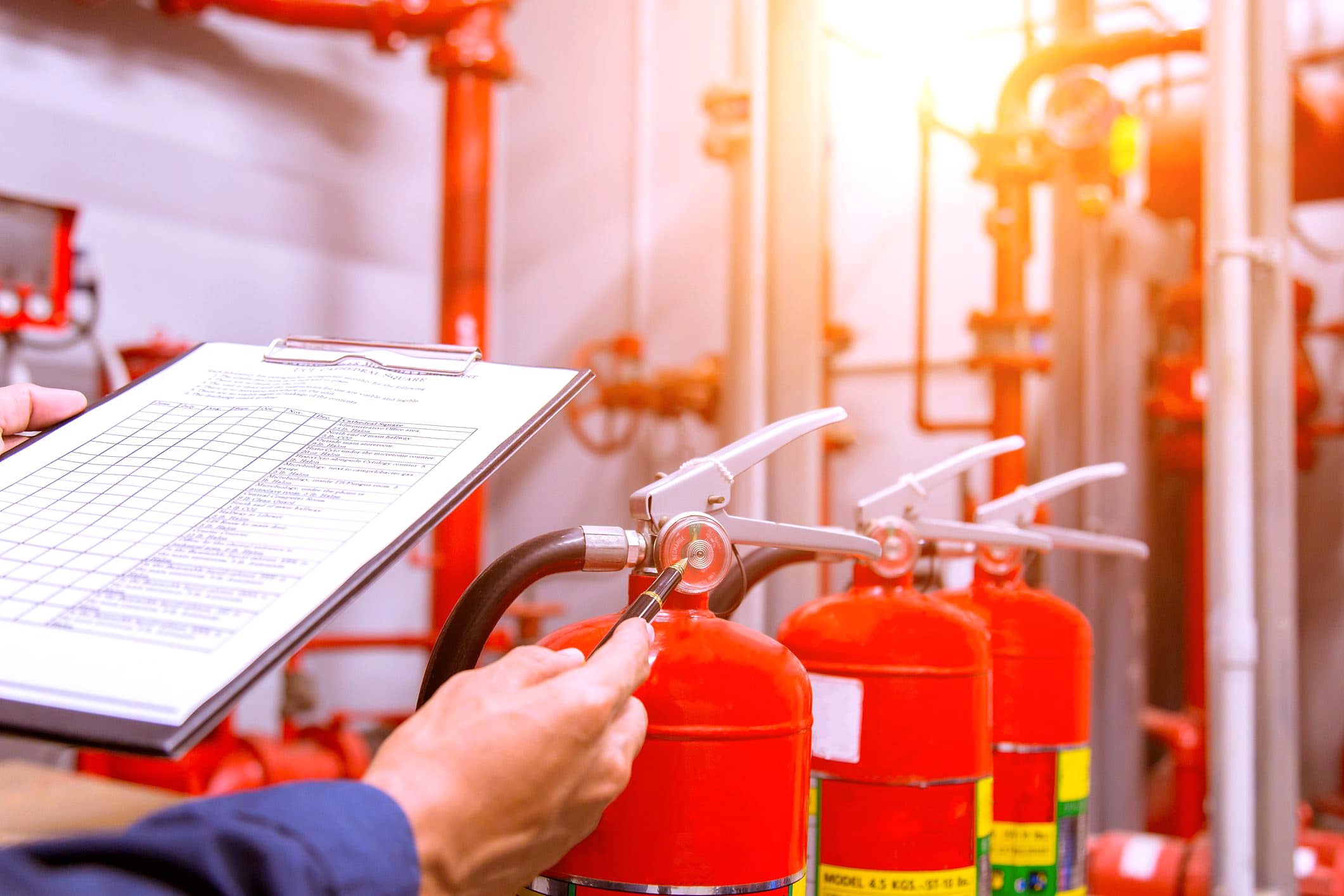
Companies like Iconic Engineering Limited are supporting this transition by providing advanced fire safety solutions, including thermal imaging systems, equipment supply, and technical support. These innovations mark a crucial step toward a safer and more resilient future for fire management in the country.
-1731230110.jpg)