Electrical Test Instruments Manufacturing
- Published inManufacturing
- Jun 27, 2024
- 2.63 Min
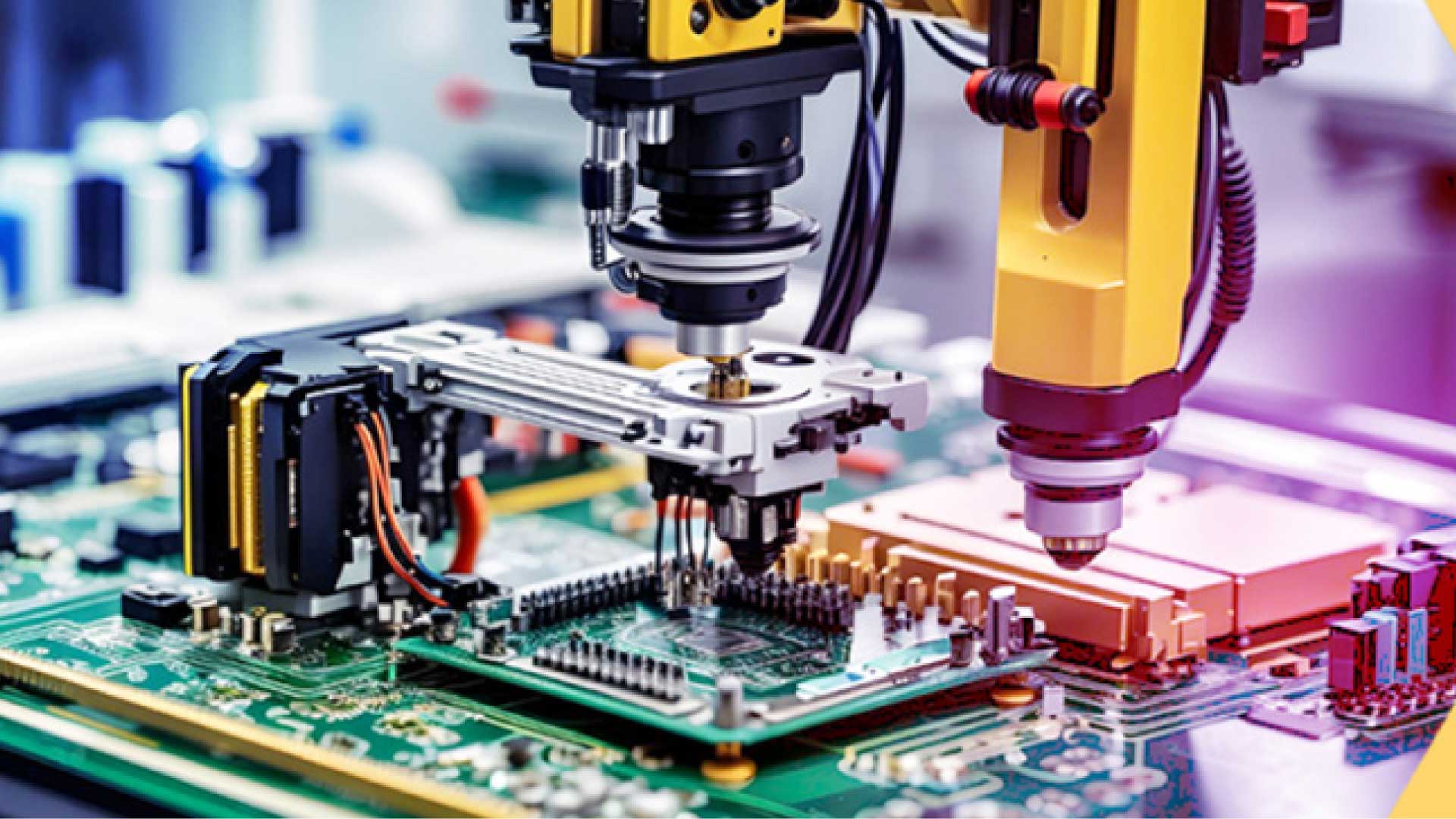
Electrical Test Instruments Manufacturing in Bangladesh
Electrical test instruments play a crucial role in ensuring the safety, efficiency, and reliability of electrical systems. From residential wiring to industrial machinery, these instruments help engineers, technicians, and electricians monitor, measure, and diagnose electrical parameters accurately. Over the past decade, Bangladesh has witnessed significant growth in the manufacturing of electrical test instruments, positioning itself as an emerging hub for quality and affordable solutions in the South Asian market.
Growing Demand for Electrical Test Instruments
Bangladesh’s industrial sector has been expanding rapidly, with investments pouring into manufacturing, construction, and renewable energy projects. This industrial boom has increased the demand for reliable electrical testing solutions. Electrical test instruments such as multimeters, clamp meters, insulation testers, and power analyzers have become essential tools for maintaining electrical systems in factories, power plants, and infrastructure projects.
Domestic manufacturers in Bangladesh are now stepping up to meet this demand, producing instruments that combine international quality standards with competitive pricing. By reducing dependency on imports, local manufacturers are helping businesses save costs while ensuring timely availability of testing solutions.
Key Electrical Test Instruments Manufactured in Bangladesh
The range of electrical test instruments manufactured in Bangladesh includes both basic and advanced devices. Some of the most commonly produced instruments are:
-
Digital Multimeters: Used to measure voltage, current, and resistance, digital multimeters are fundamental tools for electricians and engineers. Local manufacturers produce multimeters suitable for both household and industrial applications.
-
Clamp Meters: These instruments allow safe current measurement without direct contact with live wires. Bangladesh-based companies are focusing on producing clamp meters that are durable and easy to operate.
-
Insulation Testers: Critical for testing the insulation of electrical equipment, these testers prevent equipment failures and ensure safety standards. Local production of insulation testers is helping reduce reliance on imported devices.
-
Power Quality Analyzers: With the rise of renewable energy projects and complex electrical systems, power quality analyzers are becoming essential. Manufacturers in Bangladesh are now offering sophisticated analyzers capable of monitoring voltage fluctuations, harmonics, and power factor.
-
Earth Resistance Testers: Ensuring proper grounding is vital for safety. Domestic manufacturers provide earth testers that meet international safety standards.
Advantages of Local Manufacturing
Manufacturing electrical test instruments in Bangladesh offers several advantages. Firstly, local production reduces lead time, ensuring that businesses and engineers can access instruments quickly. Secondly, it allows for cost efficiency as products avoid import duties, shipping costs, and currency fluctuations. Thirdly, domestic manufacturers can customize instruments to meet the specific requirements of the Bangladeshi market, including voltage standards and environmental conditions.
Additionally, local manufacturing encourages skill development, creates jobs, and strengthens the technological capabilities of the country. By investing in research and development, Bangladeshi companies are gradually improving product accuracy, durability, and usability, making their instruments competitive on both regional and international levels.
Role in Industrial Safety and Efficiency
Electrical test instruments are not just tools; they are critical for ensuring safety and operational efficiency. Accurate testing helps prevent electrical hazards such as short circuits, equipment damage, and fire risks. In industrial setups, regular monitoring using these instruments enhances machinery performance, reduces downtime, and extends equipment lifespan.
Manufacturers in Bangladesh are increasingly focusing on producing user-friendly devices with digital interfaces, automatic measurements, and advanced data logging features. These innovations make it easier for technicians to interpret readings, document results, and maintain compliance with safety regulations.
Challenges in Manufacturing
While the industry is growing, electrical test instrument manufacturing in Bangladesh faces some challenges. Limited access to advanced components and raw materials, competition from imported products, and the need for continuous research and development are key hurdles.
However, many manufacturers are overcoming these challenges by forming strategic partnerships, investing in local supply chains, and adopting modern manufacturing technologies. As a result, the quality of domestically produced instruments is steadily improving, gaining trust among professionals in the electrical sector.
Future Prospects
The future of electrical test instrument manufacturing in Bangladesh looks promising. As industries continue to modernize, the demand for sophisticated and reliable testing tools will rise. The government’s emphasis on industrial growth, infrastructure development, and renewable energy projects further supports this trend.
Bangladeshi manufacturers are expected to expand their product portfolios, integrate smart technologies, and explore export opportunities in regional markets. By focusing on innovation, quality assurance, and affordability, local companies can position Bangladesh as a reputable source for electrical test instruments globally.
Related Industries
Topics