Renewable Energy Manufacturing
- Published inManufacturing
- Jun 27, 2024
- 3.49 Min
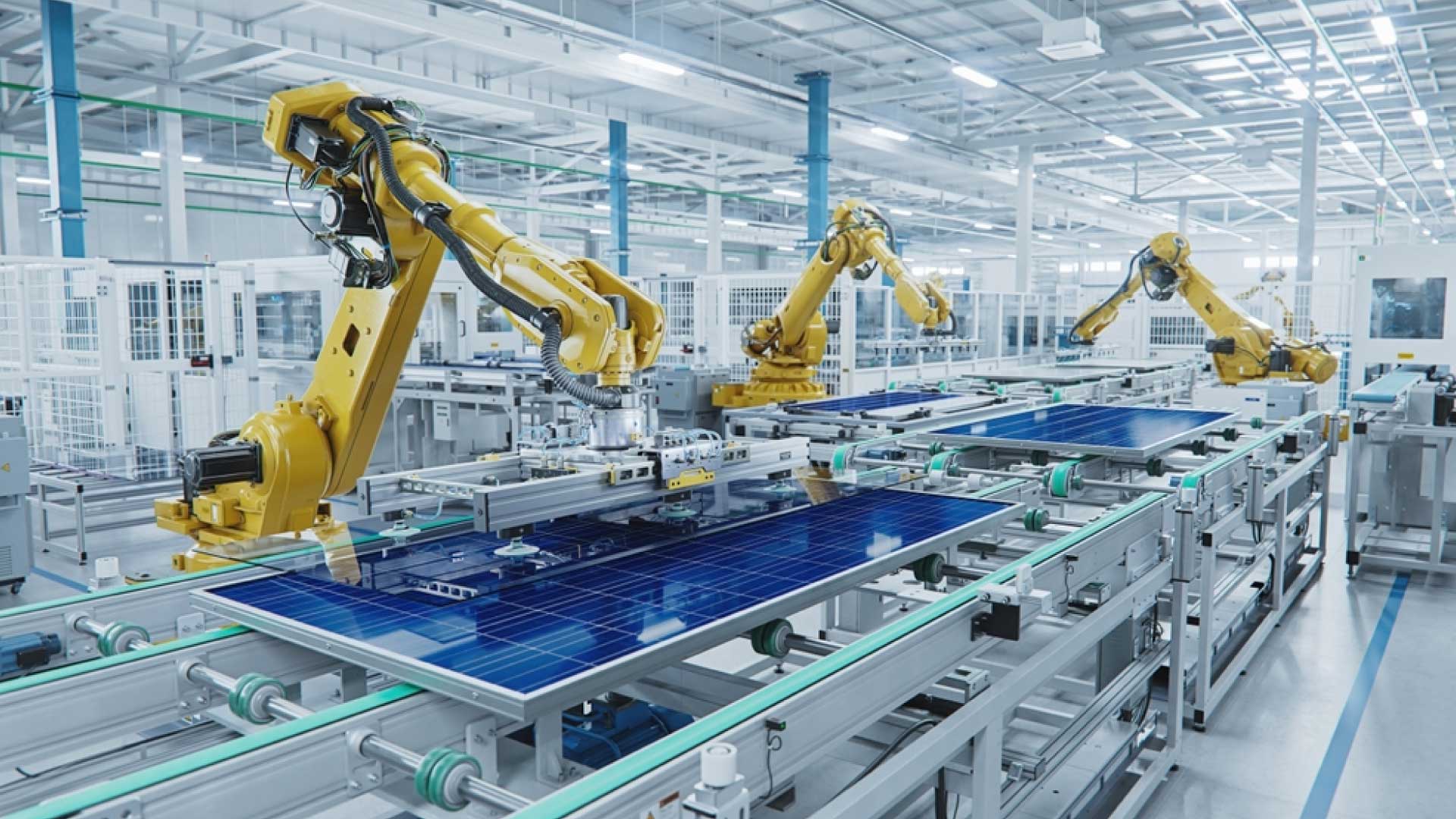
Renewable Energy Manufacturing in Bangladesh
Bangladesh is stepping into a new era of energy production, where renewable sources are gaining momentum over traditional fossil fuels. As the demand for clean energy increases, the country is witnessing a rapid expansion in renewable energy manufacturing. From solar panels to wind turbines and bioenergy equipment, the local industry is evolving to meet both domestic and international needs.
The shift towards renewable energy is driven by several factors. Bangladesh’s commitment to reducing carbon emissions, coupled with the rising costs and environmental impacts of conventional energy sources, has created a fertile ground for renewable energy manufacturing. Government initiatives, international partnerships, and private sector investments are all contributing to the growth of this industry.
Areas of Renewable Energy Manufacturing in Bangladesh
Solar Energy Manufacturing
Solar energy is arguably the most significant area of renewable energy manufacturing in Bangladesh. The country receives abundant sunlight throughout the year, making solar energy an ideal solution for both rural and urban areas. Local companies are now manufacturing solar panels, inverters, and solar batteries, which not only cater to domestic energy needs but also open up export opportunities.
The government’s support for rooftop solar systems and solar mini-grids has further fueled the demand for locally manufactured solar products. Many startups and established companies are investing in research and development to improve the efficiency of solar panels and reduce costs, making solar energy more accessible to households and industries alike.
Wind Energy Manufacturing
Although wind energy is still at a nascent stage in Bangladesh, it holds significant potential, particularly in coastal areas. Manufacturing wind turbines, blades, and supporting infrastructure has started gaining traction. Local workshops and engineering firms are developing smaller-scale turbines for rural electrification and industrial applications.
As global interest in wind energy grows, Bangladesh’s renewable energy manufacturers are exploring collaborations with international companies to bring advanced technology and technical expertise to the local market. This not only strengthens the domestic manufacturing sector but also positions Bangladesh as a potential player in regional renewable energy supply chains.
Biomass and Bioenergy Equipment
Biomass energy is another promising sector in Bangladesh. With agriculture as a primary economic activity, the country generates large amounts of agricultural residues, which can be converted into bioenergy. Manufacturing equipment such as biogas digesters, biomass boilers, and pellet machines has become a growing business opportunity.
Local companies are developing innovative solutions to utilize organic waste efficiently, creating a circular economy while contributing to clean energy production. Biomass energy solutions are increasingly being adopted in industries such as food processing, poultry farming, and rural electrification, highlighting the versatility of renewable energy manufacturing in the country.
Hydropower Equipment
While Bangladesh has limited large-scale hydropower potential, there is scope for small and micro-hydropower projects. Local manufacturing of small turbines, generators, and control systems is emerging to support these projects. Small hydropower plants are particularly suitable for remote areas with rivers or streams, providing sustainable electricity solutions without relying on grid connections.
Role of Government Policies
Government policies have been instrumental in promoting renewable energy manufacturing in Bangladesh. Incentives such as tax exemptions, low-interest loans, and subsidies for renewable energy projects encourage local manufacturers to expand their production capacities. Policies focusing on energy efficiency and sustainable development also push industries to adopt renewable energy technologies, creating a consistent demand for locally produced equipment.
Moreover, public-private partnerships are helping to bridge technology gaps and provide training for skilled workforce development. These initiatives ensure that Bangladesh not only manufactures renewable energy equipment but also builds a competent industry ecosystem to sustain long-term growth.
Challenges in Renewable Energy Manufacturing
Despite significant progress, renewable energy manufacturing in Bangladesh faces several challenges. Limited access to advanced technology, high initial investment costs, and lack of skilled labor are some of the major hurdles. Additionally, maintaining quality standards for international competitiveness remains a challenge for many local manufacturers.
Infrastructure limitations, such as inadequate transportation networks and energy storage solutions, also impact the efficiency of renewable energy projects. However, with continuous government support and increasing foreign investment, these challenges are gradually being addressed, allowing the industry to thrive.
Opportunities for Export and Regional Leadership
Bangladesh’s strategic location and growing manufacturing capabilities present excellent opportunities for exporting renewable energy equipment to neighboring countries. Solar panels, inverters, and bioenergy systems manufactured in Bangladesh can find markets in South Asia and beyond.
Regional collaboration and participation in international renewable energy forums can further enhance the visibility and credibility of Bangladeshi manufacturers. By investing in technology upgrades, innovation, and workforce development, the country can position itself as a competitive player in the global renewable energy manufacturing landscape.
Technological Innovations
Technological innovation is a key driver for the growth of renewable energy manufacturing in Bangladesh. Companies are increasingly investing in research and development to produce more efficient solar panels, durable wind turbines, and cost-effective biomass solutions. Innovations in energy storage, smart grid integration, and automation also play a crucial role in improving the performance and reliability of renewable energy systems.
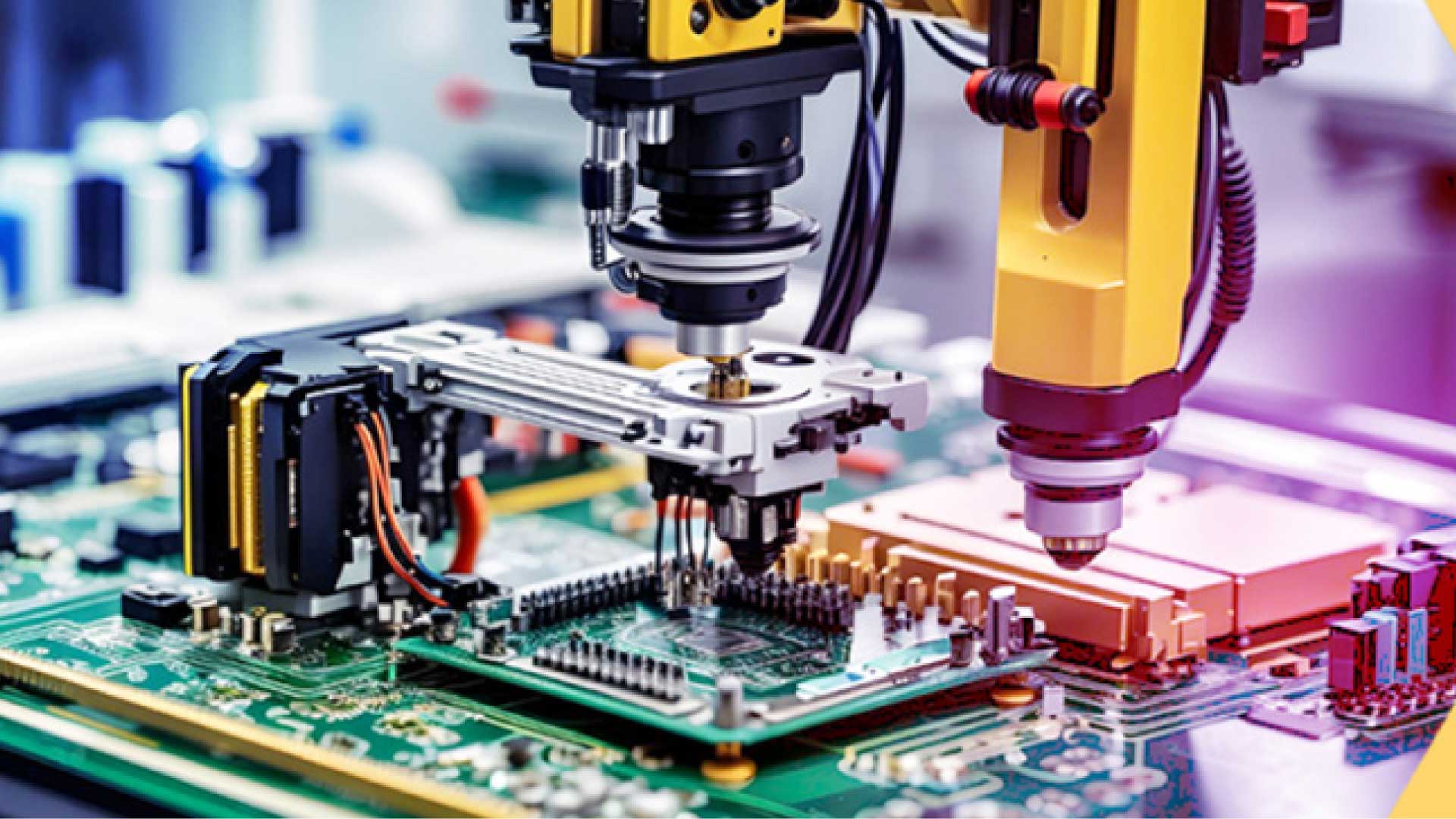
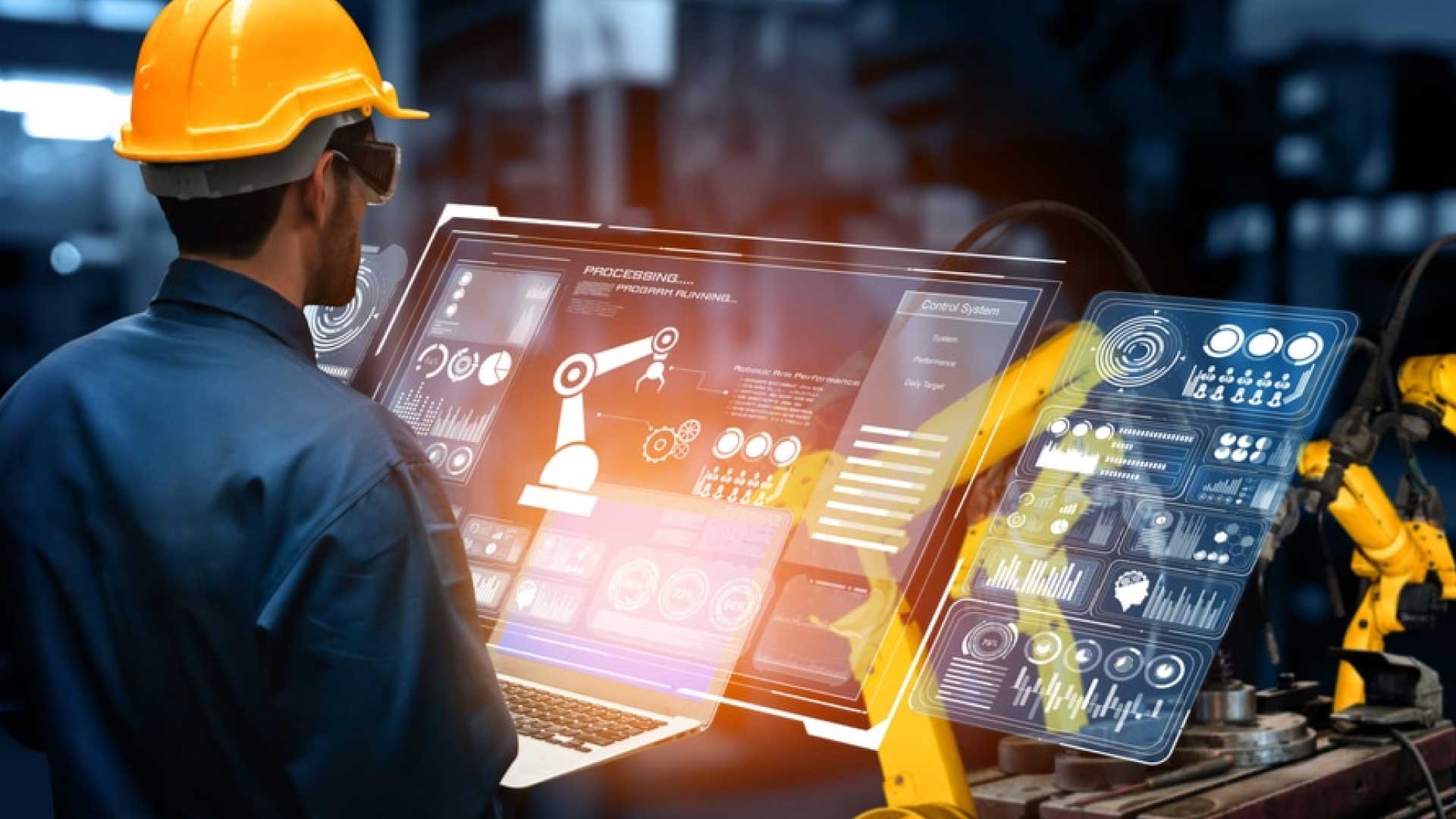
With ongoing digital transformation in manufacturing, the adoption of advanced production techniques like automated assembly, precision engineering, and quality monitoring is enhancing productivity and reducing costs. These technological advancements are making locally manufactured renewable energy products more competitive in both domestic and international markets.
The future of renewable energy manufacturing in Bangladesh looks promising. With strong government support, rising environmental awareness, and increasing investment from both local and international players, the sector is poised for sustained growth. Continued innovation, skill development, and infrastructure improvements will further strengthen Bangladesh’s position in the global renewable energy market.
As more industries and households shift towards renewable energy solutions, the demand for locally manufactured equipment will continue to rise, creating opportunities for job creation, technological advancement, and sustainable economic development.
Related Industries
Topics