Industrial Automation & Control Systems
- Published inManufacturing
- Jun 27, 2024
- 3.14 Min
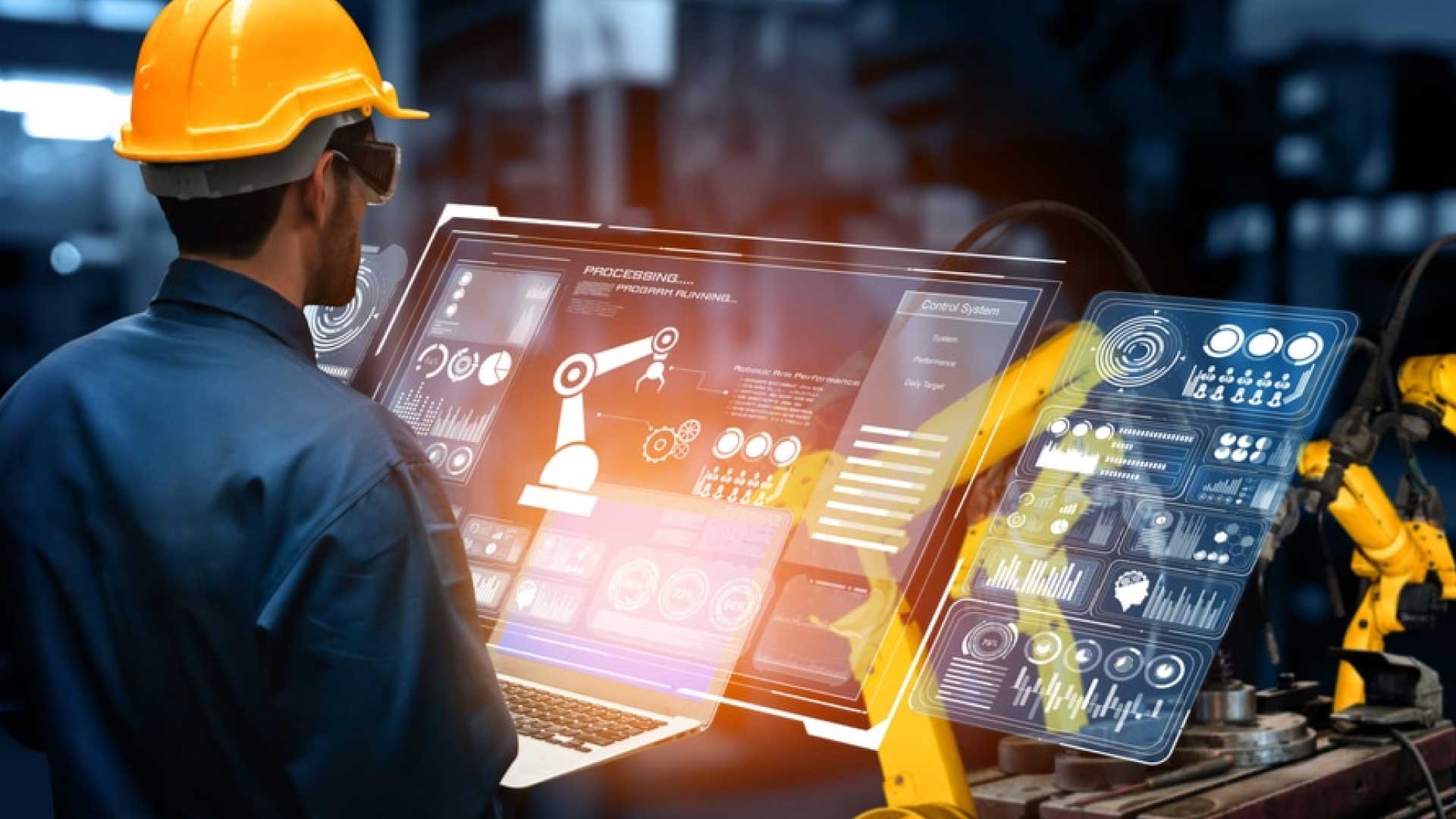
Industrial Automation & Control Systems in Bangladesh
Industrial automation and control systems have become the backbone of modern manufacturing and production processes worldwide. In Bangladesh, the adoption of these advanced technologies is gradually transforming the industrial landscape, enhancing efficiency, improving product quality, and reducing operational costs. From small-scale factories to large manufacturing plants, automation is playing a pivotal role in shaping the future of the Bangladeshi industry.
Industrial Automation & Control Systems
Industrial automation refers to the use of control systems, such as computers, robots, and information technologies, to manage industrial processes with minimal human intervention. Control systems, on the other hand, are frameworks that regulate and monitor machinery and processes to ensure optimal performance. Together, these systems allow industries to operate smoothly, maintain consistency, and respond quickly to changes in production demands.
In Bangladesh, industries like textiles, pharmaceuticals, food processing, and electronics are increasingly adopting automation solutions to stay competitive in the global market. Automation not only streamlines production but also reduces human errors, increases productivity, and ensures workplace safety.
Types of Industrial Automation Systems
Several types of automation and control systems are commonly implemented in Bangladeshi industries:
-
Programmable Logic Controllers (PLCs): PLCs are essential in modern industrial setups. They are used to automate machinery, manage assembly lines, and control complex processes efficiently. PLCs are favored for their reliability, scalability, and ease of programming.
-
Distributed Control Systems (DCS): DCS allows centralized monitoring and control of industrial processes across multiple locations. Industries like chemical plants and power generation facilities benefit from DCS for precise process management and real-time data monitoring.
-
Supervisory Control and Data Acquisition (SCADA): SCADA systems provide real-time data collection and analysis for industrial operations. They help managers make informed decisions, detect faults early, and maintain seamless operations.
-
Human-Machine Interface (HMI): HMI systems enable operators to interact with machinery easily. In Bangladesh, HMIs are widely used in manufacturing plants to monitor processes, adjust parameters, and ensure smooth operations.
Benefits of Industrial Automation in Bangladesh
The adoption of industrial automation and control systems in Bangladesh offers numerous benefits for businesses:
-
Enhanced Productivity: Automation enables continuous production without interruptions, significantly increasing output. For industries facing high demand, this is a critical advantage.
-
Improved Quality Control: Automated systems maintain consistent product quality by reducing human errors and monitoring critical parameters.
-
Cost Efficiency: By reducing labor dependency and optimizing resource use, industrial automation lowers production costs over time.
-
Safety and Risk Management: Automation minimizes human involvement in hazardous environments, reducing the risk of workplace accidents.
-
Energy Efficiency: Advanced control systems can optimize energy consumption, helping industries save costs and promote sustainability.
Industrial Automation Trends in Bangladesh
Bangladesh is witnessing several trends in industrial automation and control systems:
-
Smart Factories: Factories equipped with IoT-enabled devices are becoming popular, allowing real-time monitoring and predictive maintenance.
-
Integration with AI and Machine Learning: AI-powered automation is improving process efficiency and decision-making capabilities in industries such as pharmaceuticals and textiles.
-
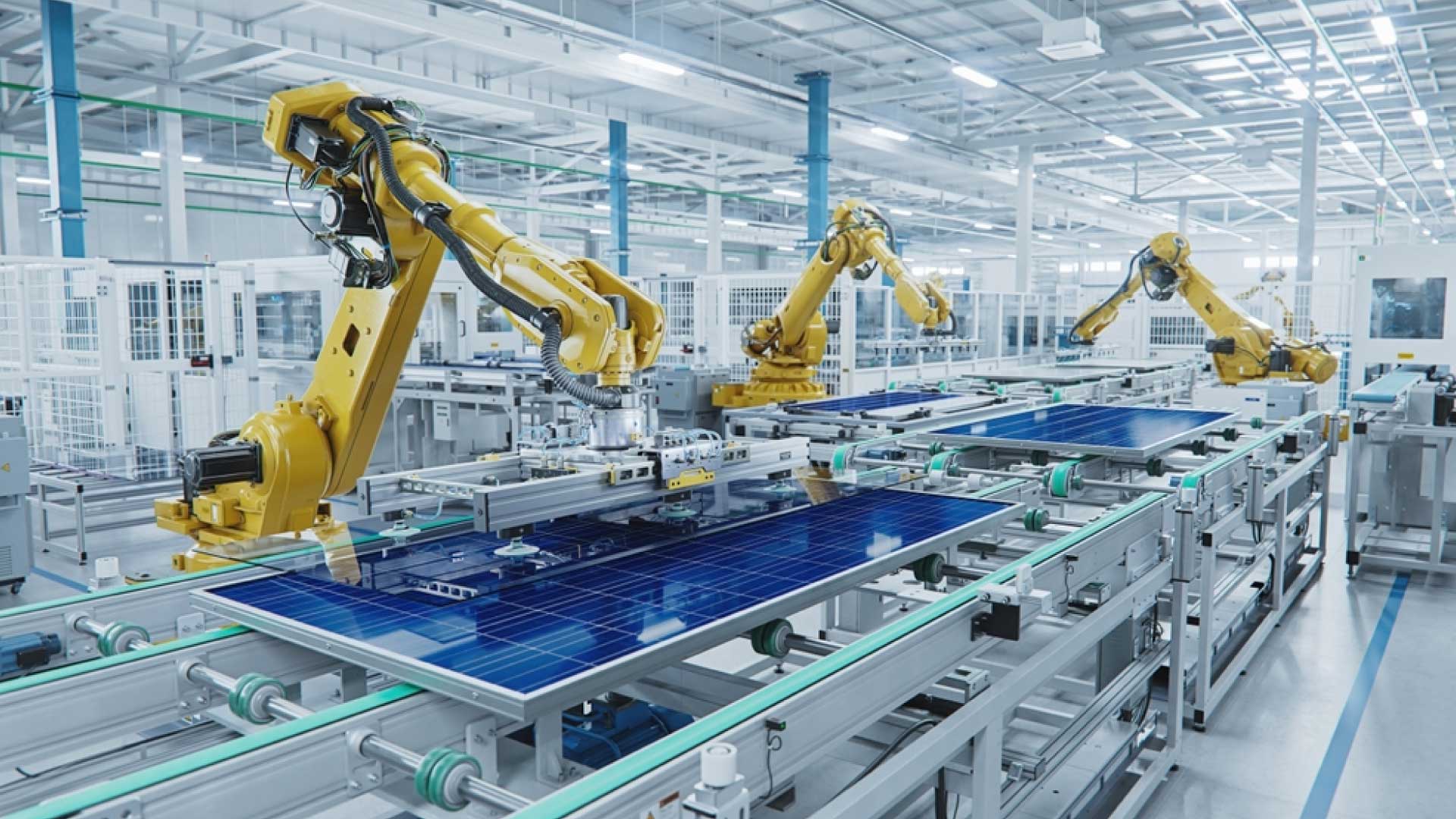
Robotics in Manufacturing: Robotic arms and automated assembly lines are being introduced in electronics and garment factories, increasing precision and reducing production time.
-
Cloud-Based Automation: Cloud computing allows centralized data management, remote monitoring, and analysis, making automation more scalable and cost-effective.
-
Focus on Renewable Energy and Sustainability: Control systems are being integrated with energy management solutions to promote eco-friendly production practices.
Challenges of Industrial Automation in Bangladesh
Despite the growing adoption, industrial automation in Bangladesh faces some challenges:
-
High Initial Investment: Implementing automation systems requires significant capital investment, which can be a barrier for small and medium enterprises (SMEs).
-
Skilled Workforce Shortage: Operating and maintaining advanced automation systems require trained professionals, which are still limited in Bangladesh.
-
Infrastructure Limitations: Reliable electricity supply and high-speed internet are crucial for modern automation systems, and infrastructure gaps can hinder adoption.
-
Resistance to Change: Many traditional industries are hesitant to shift from manual processes to automated systems due to perceived risks and adaptation challenges.
Key Industries Benefiting from Automation
Automation is making a noticeable impact across several industries in Bangladesh:
-
Textile and Garments: The largest export sector in Bangladesh is leveraging automation to increase productivity and maintain global standards in quality and delivery.
-
Food and Beverage: Automated control systems are used for packaging, processing, and quality assurance, ensuring hygiene and consistency.
-
Pharmaceuticals: Automation in pharmaceutical production ensures precise measurements, adherence to safety standards, and faster production cycles.
-
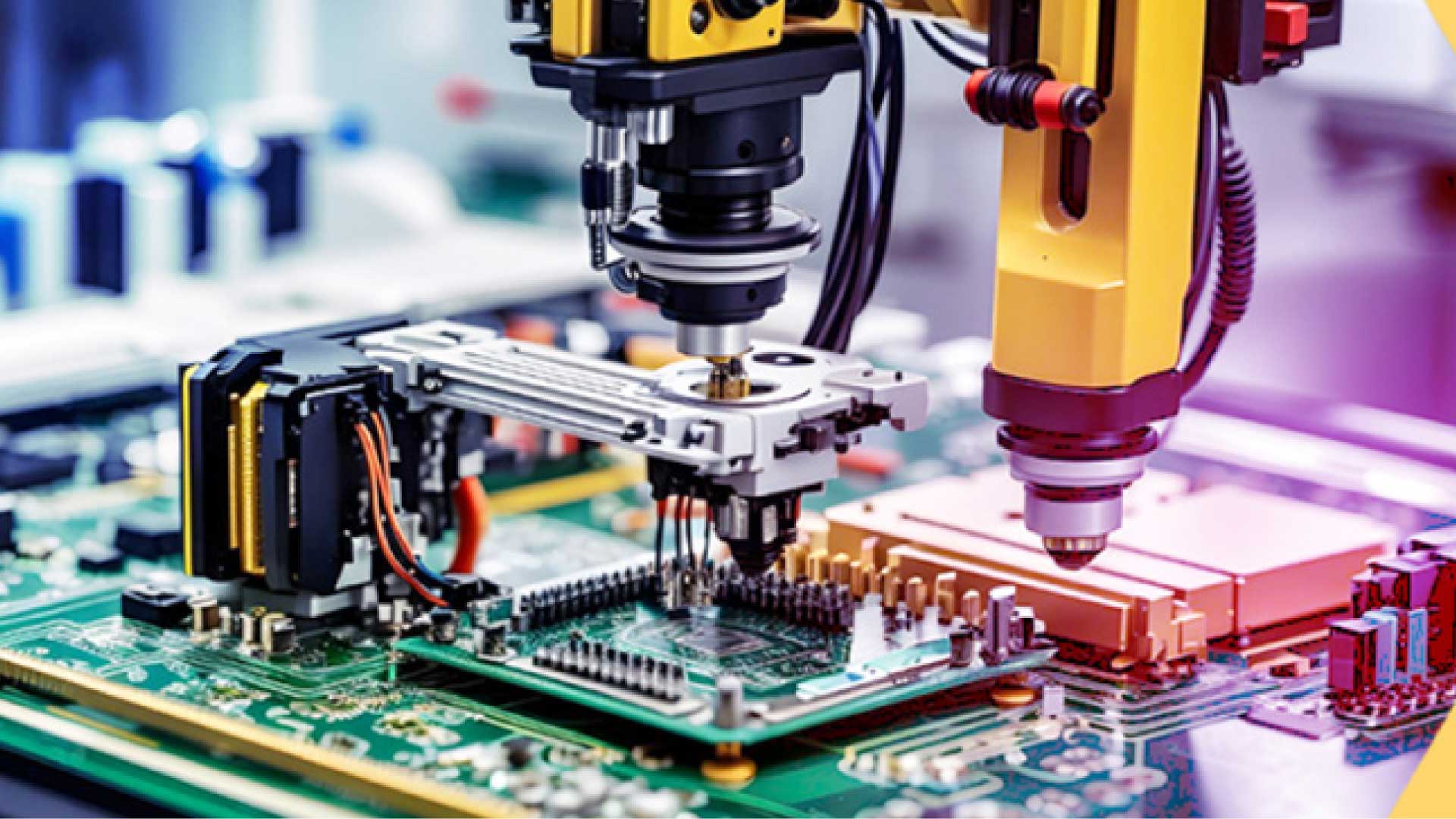
Electronics and Electrical Manufacturing: Automated assembly lines, robotic arms, and testing systems enhance efficiency and reduce defects in electronic products.
-
Chemical and Petrochemical Industries: DCS and SCADA systems allow precise control over chemical reactions, temperature, and pressure, ensuring safety and consistency.
Future of Industrial Automation in Bangladesh
The future of industrial automation in Bangladesh looks promising. With global competition increasing and the government promoting industrial modernization, more industries are expected to adopt advanced control systems. Investments in AI, robotics, and IoT integration will accelerate the development of smart factories. Moreover, partnerships with international automation technology providers are likely to enhance access to state-of-the-art solutions.
Bangladeshi industries that embrace automation early will not only benefit from increased efficiency but also position themselves as leaders in the regional market. The combination of skilled workforce development, technological adoption, and supportive policies will be key drivers for industrial automation growth in Bangladesh.
Related Industries
Topics