Civil Engineering
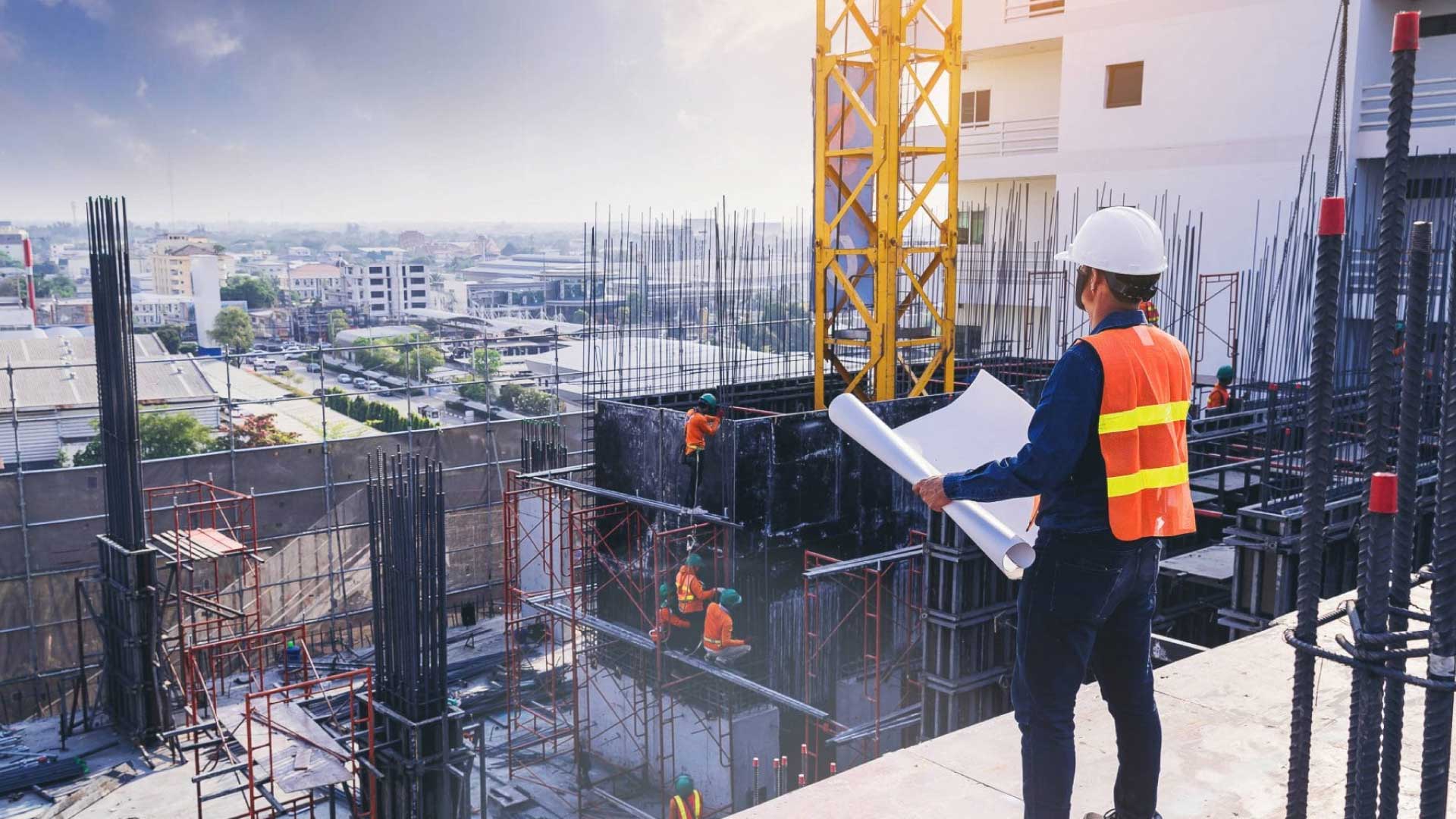
Civil engineering is the backbone of modern infrastructure, playing a critical role in shaping the environment around us. From towering skyscrapers to highways, bridges, and water supply systems, civil engineers design, construct, and maintain structures that support our daily lives. The field of infrastructure and construction civil engineering encompasses a broad range of activities, including planning, design, construction, and maintenance of public and private structures.
The Importance of Civil Engineering in Infrastructure
Infrastructure forms the foundation of any economy. Roads, railways, airports, bridges, and ports facilitate transportation and trade, while water supply, sewage systems, and energy distribution networks ensure basic societal needs are met. Civil engineers are responsible for creating sustainable, safe, and efficient solutions that cater to these demands. In rapidly developing countries like Bangladesh, civil engineering projects are vital for urban development, disaster management, and industrial growth.
Key Areas in Construction and Civil Engineering
-
Structural Engineering: This branch focuses on designing buildings, bridges, and other structures that can withstand loads, forces, and natural disasters. Structural engineers ensure stability, safety, and durability, using advanced materials and modern techniques.
-
Transportation Engineering: Transportation engineers design roads, highways, railways, and airports. They optimize traffic flow, reduce congestion, and enhance connectivity, which boosts trade and economic development.
-
Geotechnical Engineering: Geotechnical engineers analyze soil and rock behavior to ensure the foundations of buildings, dams, and tunnels are safe and stable. Their work is crucial in preventing construction failures and structural collapses.
-
Water Resources Engineering: This area addresses water supply, drainage, flood control, and irrigation systems. Efficient water management is essential for urban planning and agricultural development, particularly in flood-prone regions.
-
Construction Management: Construction managers coordinate resources, labor, and technology to ensure projects are completed on time and within budget. They integrate safety protocols, quality control, and environmental considerations into every project.
Trends and Innovations in Civil Engineering
Modern civil engineering increasingly relies on technology and sustainable practices. Innovations like Building Information Modeling (BIM), drone-based site surveys, and AI-driven project management improve efficiency, reduce costs, and minimize errors. Sustainable construction practices, such as using eco-friendly materials and energy-efficient designs, are gaining prominence to reduce environmental impact.
Challenges in Infrastructure Development
Despite advancements, civil engineering faces challenges such as urban overcrowding, environmental degradation, and climate change. Engineers must balance the need for rapid development with sustainability, resilience, and public safety. Integrating smart infrastructure solutions and advanced construction techniques helps address these challenges effectively.
Infrastructure and construction civil engineering are indispensable for societal progress. Civil engineers not only build physical structures but also contribute to economic growth, environmental sustainability, and improved quality of life. As urbanization and technological advancements accelerate, the role of civil engineers becomes even more critical in designing resilient, sustainable, and modern infrastructure for future generations.
Share This Wings
Related Post



Topics