Project Management

Infrastructure and construction projects are the backbone of modern development, ranging from highways, bridges, and airports to commercial complexes, residential communities, and urban utilities. Successfully executing these projects requires more than just skilled labor and raw materials—it demands meticulous project management to ensure they are delivered on time, within budget, and according to quality standards.
What is Infrastructure & Construction Project Management?
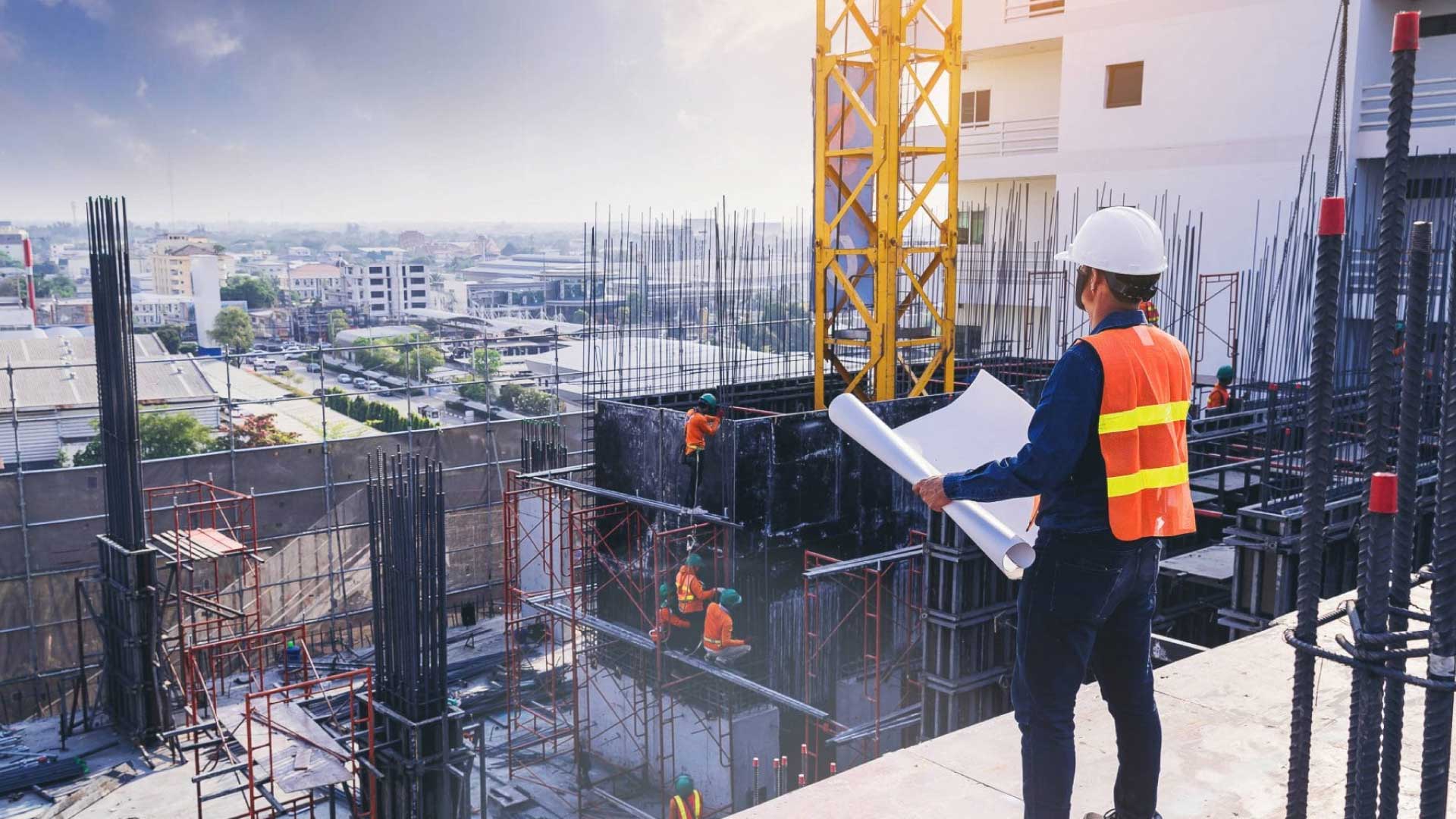
Infrastructure and construction project management is the discipline of planning, coordinating, and controlling all aspects of a construction project from inception to completion. It involves overseeing design, procurement, execution, and delivery while balancing the constraints of time, cost, scope, and quality. The goal is to maximize efficiency, reduce risks, and achieve the project’s objectives without compromising safety or sustainability.
Key Components of Project Management in Construction
-
Project Planning and Scheduling:
Effective planning is the cornerstone of construction project management. It involves defining project objectives, estimating costs, allocating resources, and creating a realistic timeline. Tools like Gantt charts and project management software help in visualizing the schedule and monitoring progress. -
Resource Management:
Projects require careful management of labor, machinery, materials, and finances. Ensuring that the right resources are available at the right time reduces delays and avoids cost overruns. Efficient procurement strategies and workforce planning play a significant role in this stage. -
Risk Management:
Construction projects face multiple risks such as budget overruns, design errors, site accidents, and regulatory issues. Risk management involves identifying potential threats, analyzing their impact, and implementing mitigation strategies to minimize disruption. -
Quality Control and Compliance:
Maintaining high standards is critical in construction. Quality control ensures that all work meets the required specifications, safety codes, and legal regulations. Regular inspections and audits help identify issues early and maintain project integrity. -
Communication and Stakeholder Management:
Successful project management requires clear communication among project teams, contractors, clients, and government authorities. Stakeholder management ensures that everyone is aligned with project goals, expectations, and progress updates.
Benefits of Professional Project Management
Implementing structured project management techniques brings significant advantages. Projects are completed on schedule, costs are controlled, and quality standards are maintained. Moreover, risks are minimized, and resources are used efficiently. For clients and stakeholders, this translates into trust, transparency, and satisfaction.
Emerging Trends in Infrastructure Project Management
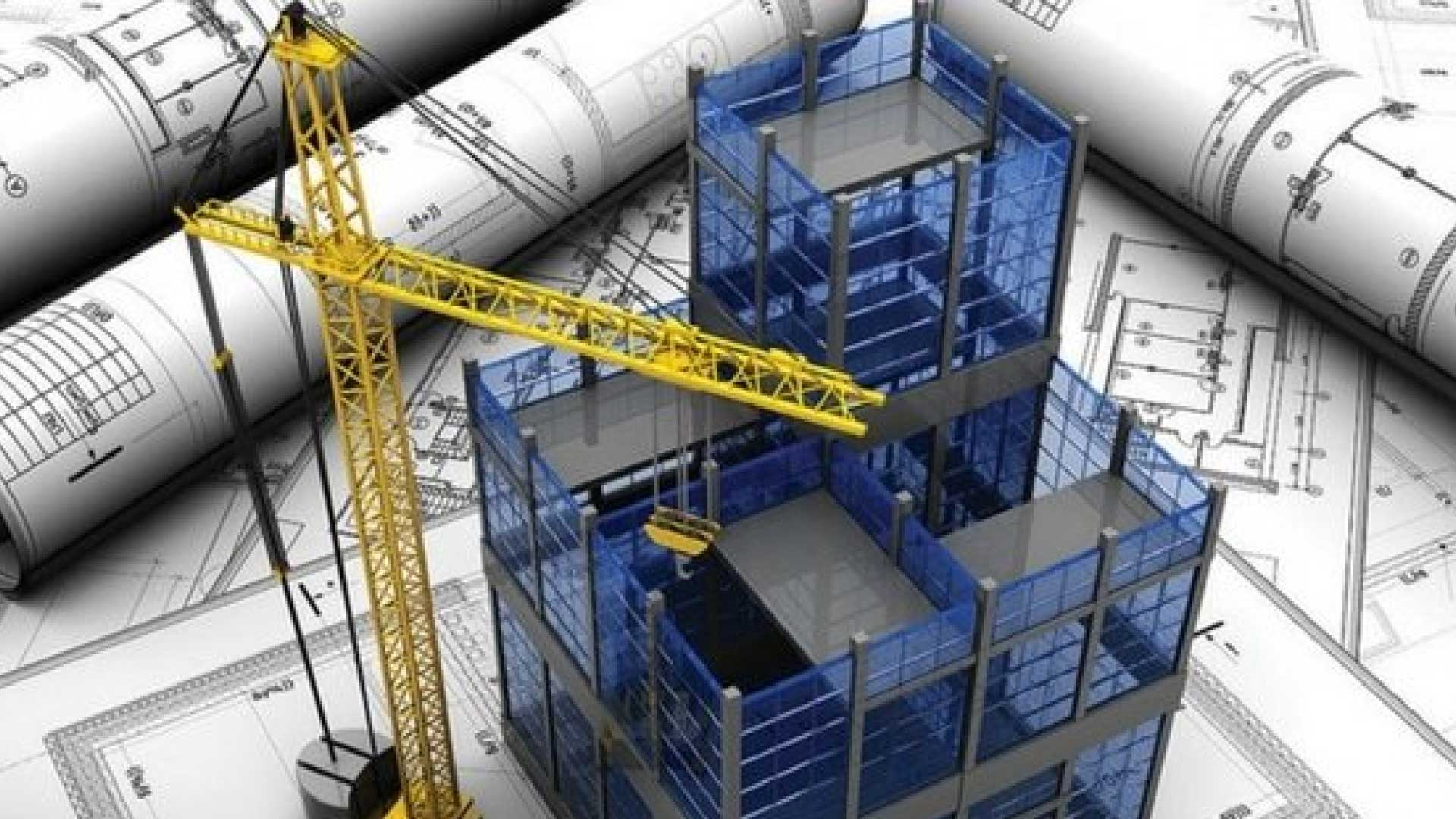
Modern construction projects increasingly leverage digital tools, such as Building Information Modeling (BIM), drones, and project management software, to enhance accuracy and efficiency. Sustainable practices, smart materials, and energy-efficient designs are becoming standard in the industry, reflecting global priorities for environmentally responsible development.
Infrastructure and construction project management is the linchpin of successful development. By integrating strategic planning, risk mitigation, resource management, and quality assurance, project managers ensure that complex projects are completed efficiently and safely. As urbanization and industrial growth continue, the role of professional project management becomes ever more critical in shaping the sustainable, resilient, and well-constructed world of tomorrow.
Share This Wings
Related Post


Topics