Structural Design
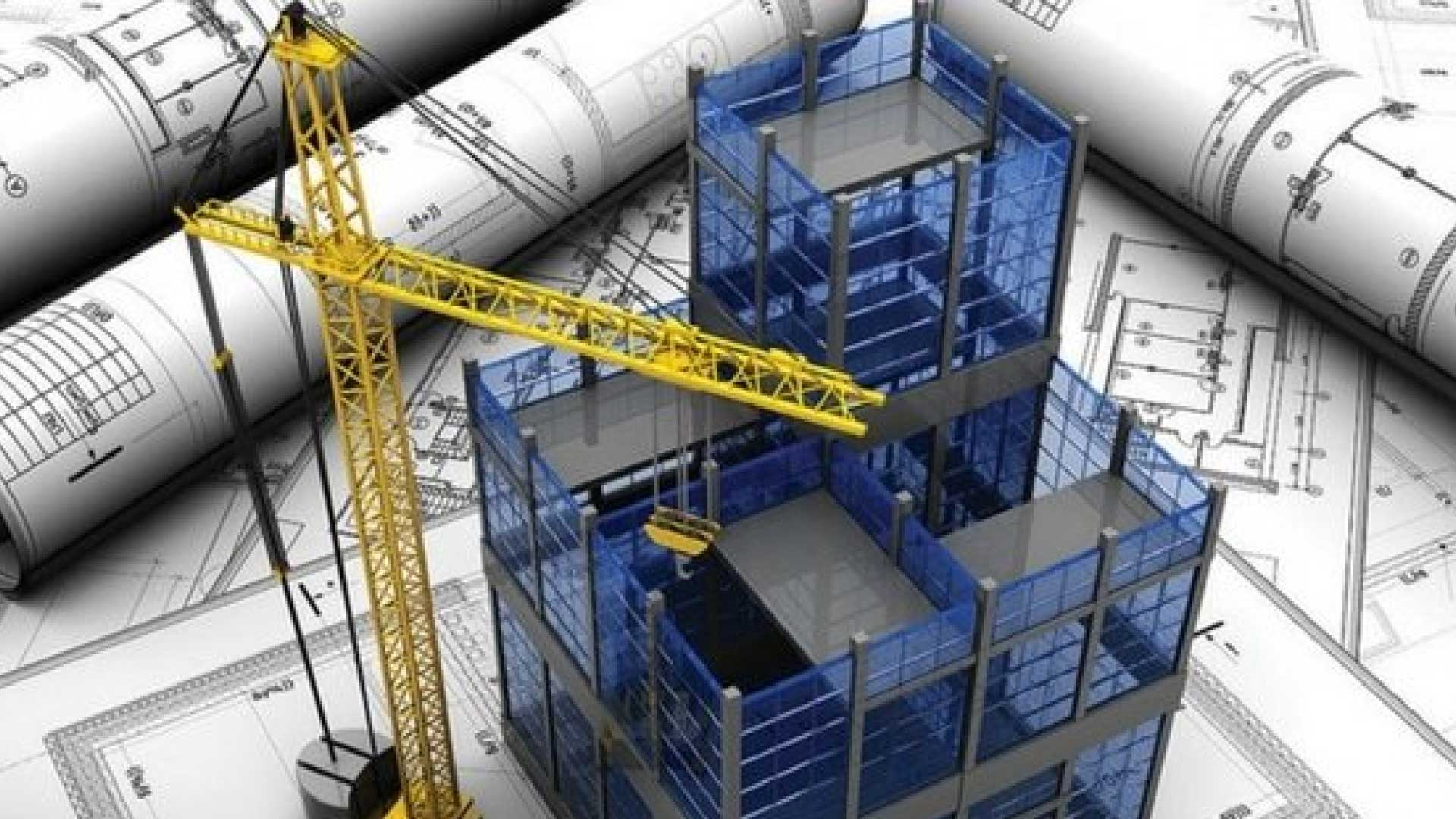
In today’s rapidly urbanizing world, infrastructure and construction projects form the backbone of societal development. From bridges and highways to commercial buildings and residential complexes, the success of these projects depends heavily on robust structural design. Structural design is the process of creating frameworks that ensure buildings and other constructions are safe, stable, and capable of withstanding various loads and environmental conditions.
Understanding Structural Design
Structural design involves the application of engineering principles to create structures that meet both safety and functional requirements. Engineers analyze loads, materials, and environmental factors to ensure that the structure can bear the intended forces without failure. The primary goal is to maintain stability, durability, and efficiency, while optimizing material usage to reduce cost and environmental impact.
Key components of structural design include:
-
Load Analysis: Evaluating the different forces acting on a structure is crucial. These include dead loads (weight of the structure itself), live loads (occupants, furniture, and vehicles), environmental loads (wind, earthquake, snow), and accidental loads. Accurate load analysis ensures that the structure can safely carry these forces throughout its lifespan.
-
Material Selection: The choice of materials—such as concrete, steel, timber, or composites—affects the strength, flexibility, and sustainability of a structure. Engineers consider factors like material durability, cost, availability, and environmental impact before making decisions.
-
Structural Systems: Different projects require different structural systems. Common systems include frame structures, load-bearing walls, trusses, and shell structures. Each system has unique characteristics and applications, and choosing the right one is critical for efficiency and safety.
-
Safety and Compliance: Structural design is governed by building codes and standards that ensure safety and resilience. These codes define minimum requirements for design, materials, and construction practices, helping prevent structural failures.
The Role of Technology in Structural Design
Modern infrastructure and construction projects increasingly rely on technology to enhance structural design. Advanced software allows engineers to model structures in 3D, simulate loads, and predict performance under various conditions. Building Information Modeling (BIM) enables collaborative design, allowing architects, engineers, and contractors to coordinate effectively and minimize errors during construction.
Sustainability in Structural Design
Sustainable construction is no longer optional; it’s essential. Engineers focus on designing energy-efficient buildings, using eco-friendly materials, and reducing construction waste. Green infrastructure solutions, such as energy-efficient bridges and smart buildings, not only reduce environmental impact but also offer long-term cost savings.
Infrastructure and construction structural design is the foundation of safe, durable, and efficient development. By combining engineering expertise, advanced technology, and sustainable practices, structural designers ensure that modern buildings and infrastructures meet the growing demands of society. Whether it’s a towering skyscraper, a bridge connecting communities, or a residential project, well-designed structures contribute to the progress and resilience of modern urban life.
Share This Wings
Related Post



Topics