How Water Quality Monitoring Shapes the Future
- By Shishir Ahmed
- Published in Services
- Oct 14, 2025
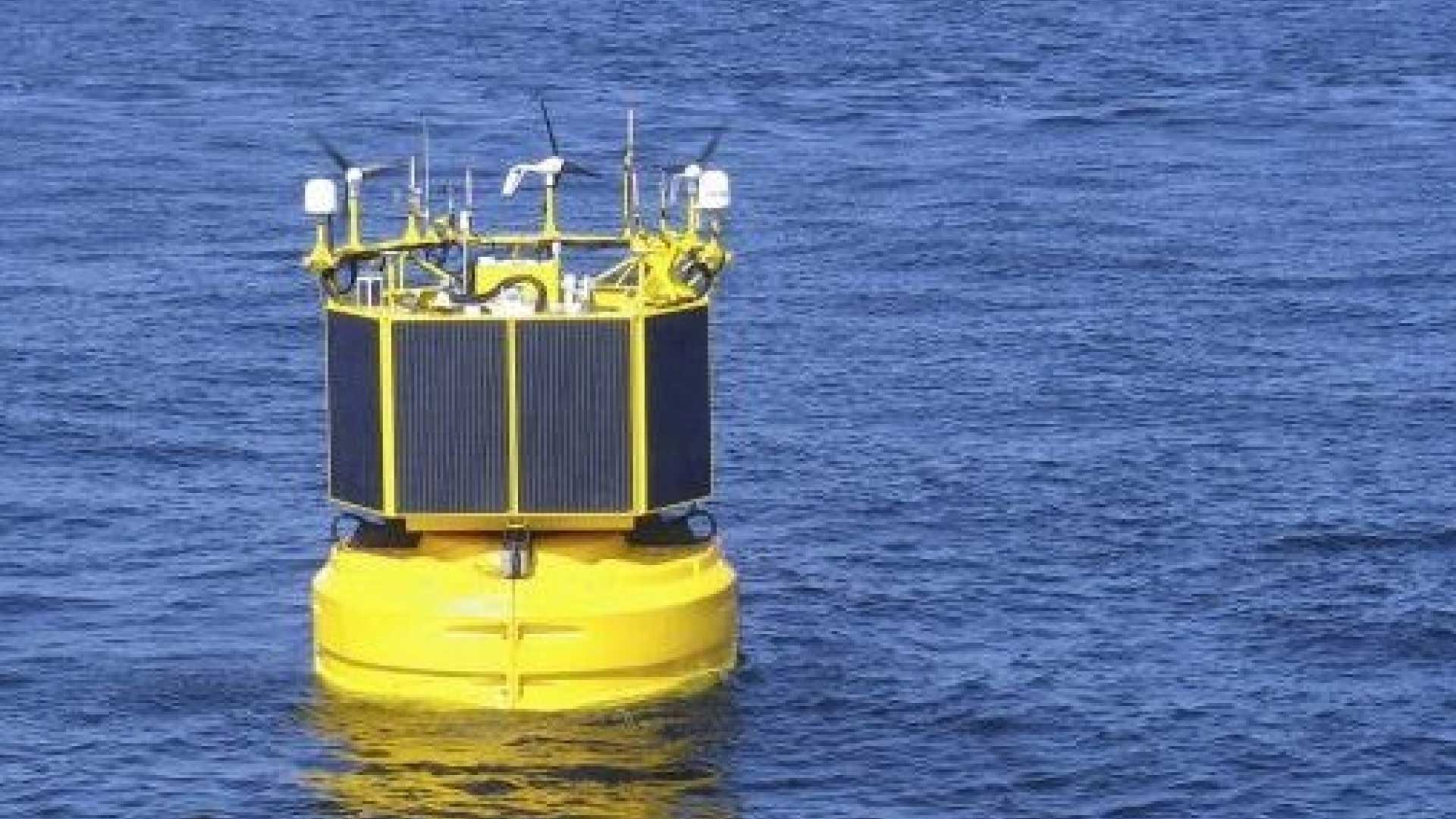
Water quality monitoring systems are essential for ensuring the safety, cleanliness, and sustainability of the water supply in both urban and rural areas. With increasing industrial activity, agricultural runoff, and urbanization, the threat to water sources has grown substantially. Traditional water testing methods often involve manual sampling and laboratory analysis, which can be time-consuming and limited in scope. Modern water quality monitoring systems, however, offer real-time, automated analysis of key parameters such as pH, turbidity, dissolved oxygen, temperature, and the presence of harmful chemicals or pathogens. This immediate insight enables quicker response to contamination and supports long-term water resource management.

Market Size and Growth:
The global water quality monitoring market is growing rapidly due to heightened environmental regulations, public health concerns, and the rising demand for safe drinking water. Government agencies, water utilities, industries, and environmental groups are the major stakeholders driving this expansion. In Bangladesh, organizations such as the Department of Public Health Engineering (DPHE), WASA, City Corporations, and environmental NGOs are actively investing in water monitoring technologies.

The growth is fueled by advancements in sensor technology, IoT integration, and data analytics platforms that enable remote and continuous monitoring. With climate change impacting water availability and quality, the market for real-time monitoring solutions is expected to expand further in the coming years.
Key Technologies in Water Quality Monitoring Systems:
Multiparameter Water Quality Sensors: These sensors measure multiple indicators like pH, turbidity, conductivity, dissolved oxygen, and temperature in one device, offering comprehensive water analysis.

Spectrophotometers: Used to detect chemical constituents in water by measuring light absorbance at specific wavelengths, useful in both lab and field settings.
Ion-Selective Electrodes (ISE): Provide selective measurement of specific ions such as nitrates, fluoride, or ammonia, crucial for both drinking and wastewater quality.

Microbial Sensors: Detect pathogens like E. coli or coliforms, helping assess the biological safety of water.
Remote and IoT-Based Systems: These platforms collect, transmit, and analyse water quality data in real time, enabling quick action and long-term trend analysis.

Role of ICONIC ENGINEERING LTD in Water Quality Monitoring:
Iconic Engineering Ltd. is well-positioned to support water quality monitoring initiatives in Bangladesh by offering end-to-end solutions—from technology deployment to data interpretation. The company’s approach combines technical excellence with a strong understanding of local water management challenges.
Key initiatives include:
- Supplying and installing advanced water monitoring instruments suited to local environments.
- Training municipal and industrial stakeholders on system use and maintenance.
- Partnering with global tech leaders to introduce the latest solutions in water quality monitoring.
Contributing to Digital Bangladesh:
Iconic Engineering Ltd. actively contributes to Digital Bangladesh by digitizing water quality monitoring processes. Through integration with GIS platforms and data dashboards, the company helps ensure transparent, efficient, and responsive water management.
By developing cloud-based water monitoring systems and mobile applications, Iconic Engineering Ltd. empowers stakeholders to access real-time data, issue alerts, and make informed decisions quickly. These technologies enable smarter public health interventions and infrastructure planning.
Test Procedure for Water Quality Monitoring Systems:
- Installation and Setup: Devices are properly installed in water sources or pipelines and configured based on the monitoring parameters.
- Calibration: All sensors are calibrated using standard solutions to ensure accuracy of Water Quality Monitoring Systems.
- Baseline Test: The system is exposed to clean water samples to establish benchmark readings.

- Accuracy Testing: Known concentrations of test substances are introduced to verify sensor performance.
- Environmental Testing: Systems are tested under different temperature, pressure, and turbidity conditions.
- Response and Stability Checks: Measures how quickly sensors respond to changes and how stable they are over time.
- Data Verification: Data output is compared with lab results to confirm reliability and the quality of water.

- Connectivity Test: Ensures data is transmitted accurately via wireless or wired networks.
- Alarm and Notification Check: Triggers high-contaminant level scenarios to ensure alerts function properly.
- Final Certification: Compiling and verifying all data before system approval.
Water Quality Monitoring Workflow:
- Preparation: Determine water quality monitoring objectives and deploy sensors.
- Sampling and Monitoring: Automated or manual sampling based on desired frequency.
- Data Acquisition: Real-time or batch data collected and logged.

- Data Analysis: Parameters are assessed against standards to detect anomalies.
- Reporting: Generate insights and actionable recommendations.
Outcome of Water Quality Monitoring Systems:
These systems generate vital data on physical, chemical, and biological parameters in water, identifying contaminants such as heavy metals, microbial agents, and chemical pollutants. This information helps government bodies, industries, and communities take timely action to prevent health risks and environmental degradation. Water quality data supports regulatory compliance, enhances transparency, and guides policy and infrastructure planning.
Advantages of Water Quality Monitoring:
- Ensures safe drinking water.
- Enables early detection of contaminants to ensure water quality.
- Supports compliance with environmental standards.
- Helps manage industrial wastewater discharge.
- Protects aquatic ecosystems.
- Promotes public health and safety.
Future Scope of Water Quality Monitoring Systems:
- AI and Predictive Analytics: Machine learning tools will help predict contamination events before they occur.
- Satellite and Remote Sensing Integration: To complement ground-level data with large-scale water body monitoring.

- Policy Integration: More government bodies will use real-time water data for regulation and resource planning.
Conclusion:
Water quality monitoring systems are critical in safeguarding one of our most precious resources—clean water. Through real-time data and integrated technologies, these systems enable rapid detection of pollution, informed decision-making, and long-term sustainability. In Bangladesh, Iconic Engineering Ltd. is leading efforts to implement cutting-edge water monitoring technologies that align with national goals for digital governance, public health, and environmental protection. By combining global innovations with local expertise, the company continues to make meaningful contributions to a cleaner and healthier future.

Topics
Related Post

Surveying & Mapping Solution in Bangladesh
Ultrasound Leak Detection
How Water Quality Monitoring Shapes the Future
The Role of Inclinometers in Geotechnical and Soil Stability Monitoring

The Future of Border Surveillance and Pioneering
Detecting Deformation: The Role of Strain Gauges in Soil and Structural Health
Transformer Oil Testing Service
The Role of Geotechnical Testing in Construction
Condition Monitoring
Monitoring Groundwater with Precision: A Guide to Piezometer Testing