Chemical & Nutritional Lab Setup
- Published inFood & Beverage
- Jun 27, 2024
- 1.51 Min
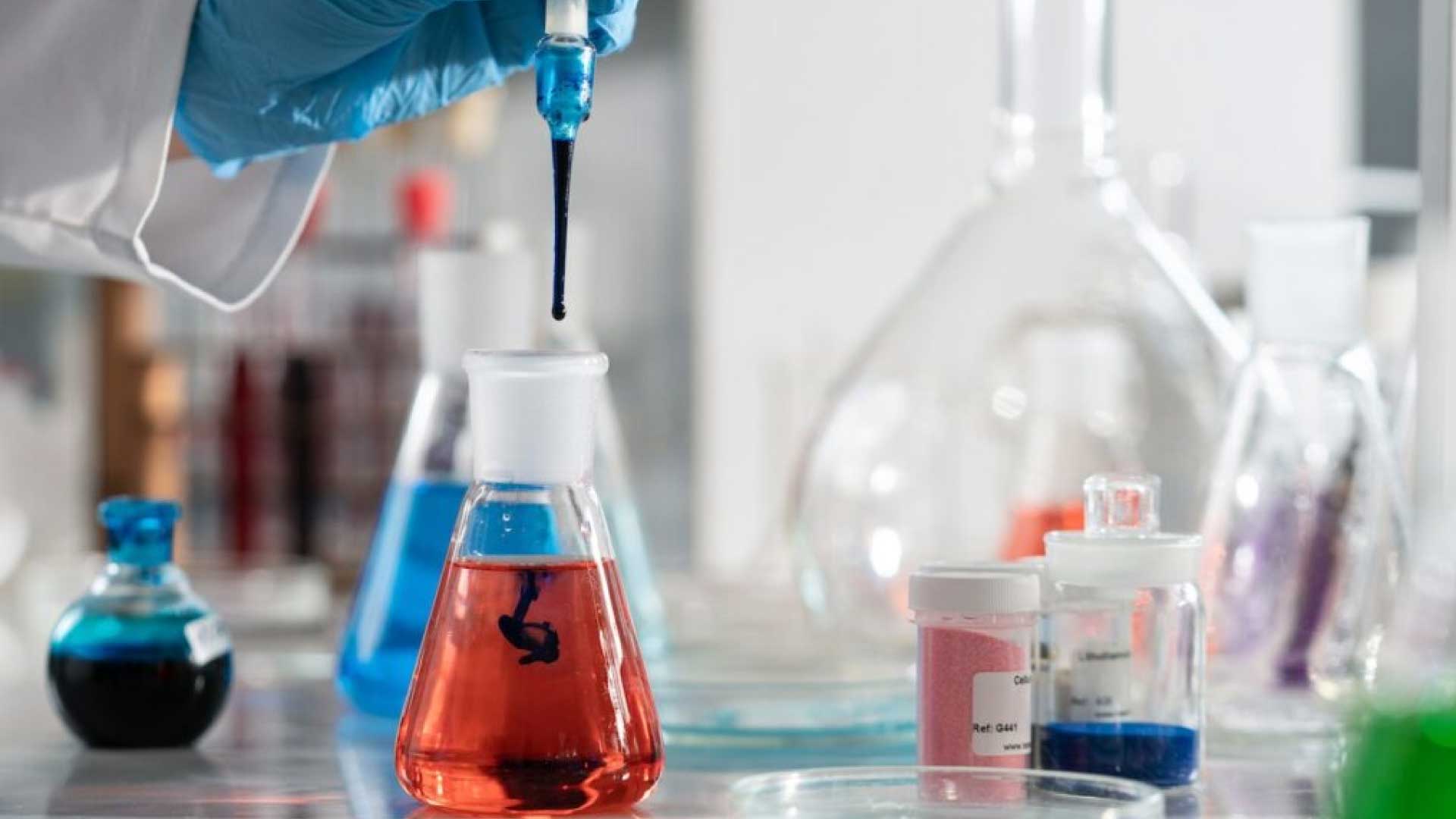
Setting up a Food Testing Chemical & Nutritional Lab is a critical step for ensuring food safety and quality in Bangladesh. With increasing consumer awareness and stricter food regulations, food businesses, manufacturers, and regulatory bodies now require precise testing of chemical and nutritional content in food products. A well-equipped lab provides reliable results that help maintain compliance, enhance product quality, and build consumer trust.
Essential Components of a Food Testing Lab
A successful food testing lab setup requires careful planning, investment in modern equipment, and adherence to international standards. One of the core aspects is the chemical testing section, which focuses on detecting harmful substances such as pesticides, heavy metals, additives, and preservatives. Accurate chemical testing ensures that food products meet safety standards and are free from contaminants that could harm human health.
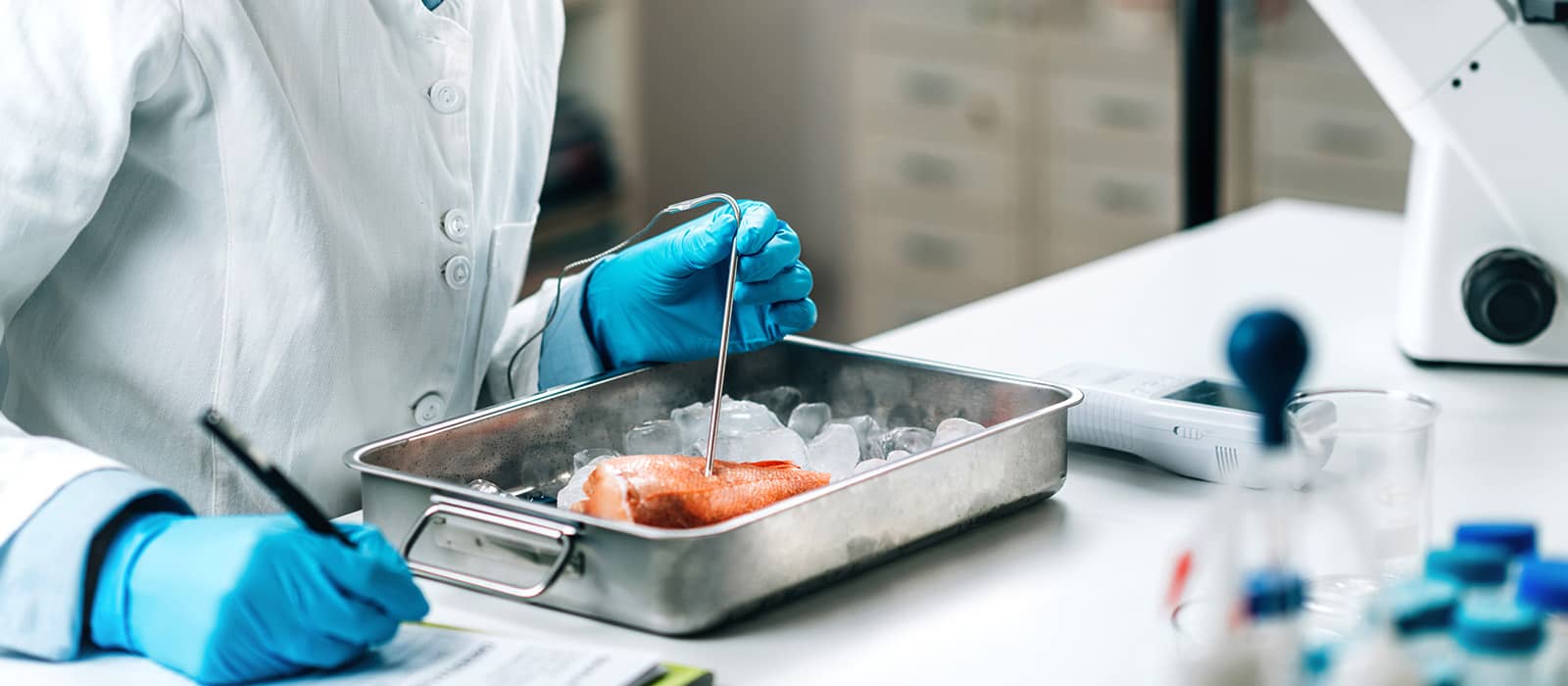
Another essential area is the nutritional analysis section, where macronutrients like carbohydrates, proteins, fats, and fibers are measured along with vitamins, minerals, and caloric content. Nutritional testing not only helps consumers make informed choices but also supports food labeling compliance required by law.
Modern laboratories often integrate advanced analytical instruments such as High-Performance Liquid Chromatography (HPLC), Atomic Absorption Spectroscopy (AAS), Gas Chromatography (GC), and UV-Visible Spectrophotometers. These devices provide highly accurate and reproducible results, which are critical for both regulatory compliance and product development.
Layout and Design Considerations
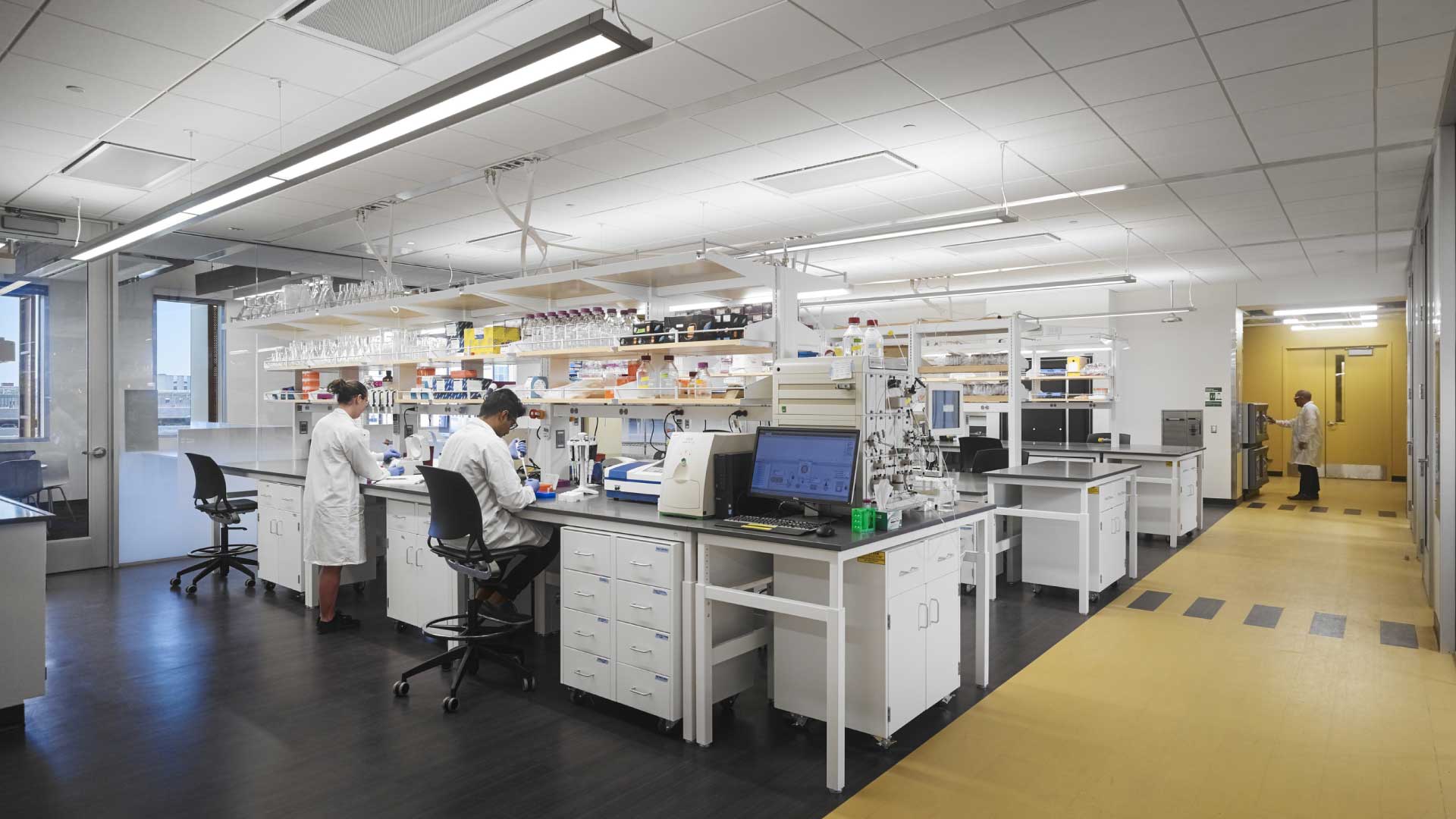
When planning a food testing chemical and nutritional lab, space optimization and workflow efficiency are important. Separate areas for sample preparation, chemical analysis, microbiological testing, and data interpretation help maintain lab hygiene and prevent cross-contamination. Proper ventilation, temperature control, and safety equipment like fume hoods and fire extinguishers are essential for safe operations.
In addition, lab personnel must follow strict Standard Operating Procedures (SOPs) to ensure consistency in testing. Training staff in handling chemicals, calibrating instruments, and interpreting results is equally important to maintain lab credibility and accuracy.
Regulatory Compliance and Certification
A professional food testing lab must comply with national and international food safety standards. Accreditation from recognized bodies ensures that the lab’s testing methods and results are accepted by authorities, businesses, and consumers alike. Compliance also involves regular calibration of instruments, routine quality checks, and documentation of all lab activities.
Investing in a chemical and nutritional food testing lab is not just a business decision; it is a step towards safer food production and consumer protection. With the right setup, tools, and expertise, food businesses in Bangladesh can confidently deliver high-quality products that meet both safety standards and nutritional requirements.
Related Industries


-1731232756.jpg)
Topics