Food Testing Lab Design
- Published inFood & Beverage
- Jun 27, 2024
- 1.45 Min

Designing a food testing lab is a critical step for ensuring food safety, quality, and regulatory compliance. A well-planned lab not only enhances testing efficiency but also supports accurate and reliable results. Whether it is for microbiological testing, chemical analysis, or sensory evaluation, the layout and design of a food testing lab directly impact its functionality and safety standards.
Key Considerations in Food Testing Lab Design
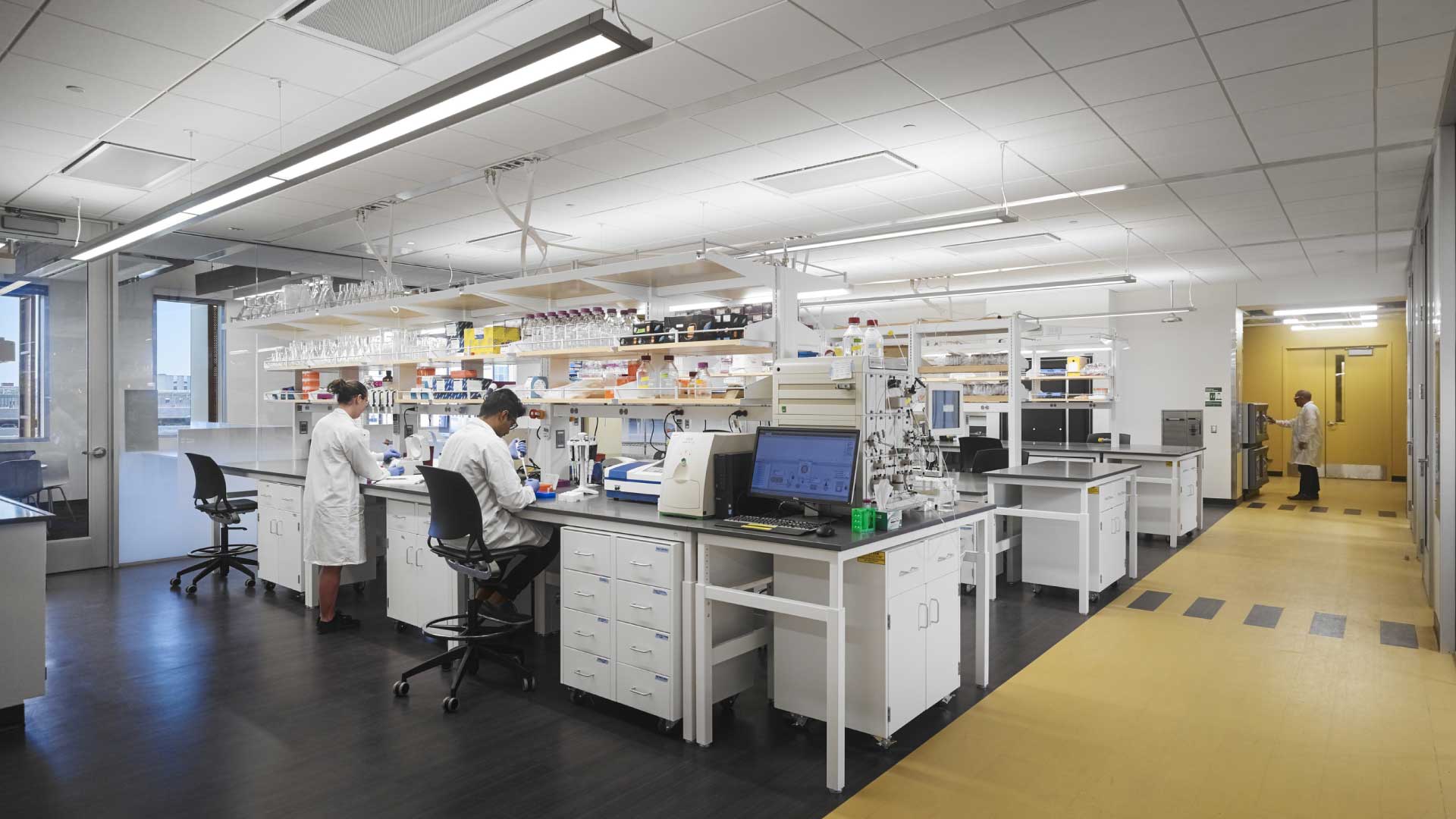
When designing a food testing lab, several factors must be considered to create an effective and safe workspace. One of the primary considerations is space planning. The lab should be organized to provide separate zones for sample preparation, testing, and analysis. Clear segregation between microbiological areas, chemical analysis areas, and storage rooms helps prevent cross-contamination and ensures compliance with food safety standards.
Equipment placement is another critical factor. Laboratory instruments such as spectrophotometers, chromatographs, and incubators require proper ventilation, temperature control, and ergonomic placement to optimize workflow. Designing dedicated areas for high-risk testing, like allergen or pathogen detection, ensures that the lab can handle specialized analyses without compromising overall safety.
Safety features are paramount in food testing labs. Installing fume hoods, eye wash stations, fire extinguishers, and emergency exits is essential for protecting staff from chemical hazards and biological risks. Additionally, proper signage and personal protective equipment (PPE) protocols enhance lab safety and compliance with regulatory requirements.
Another important aspect of lab design is workflow optimization. The layout should follow a logical sequence, from sample receipt to analysis and reporting. Efficient workflow minimizes human error, reduces testing time, and increases productivity. Integrating modern laboratory information management systems (LIMS) can further streamline operations and ensure accurate data management.
Hygiene and sanitation are vital components of a food testing lab. The design should include smooth, easy-to-clean surfaces, separate handwashing stations, and proper waste disposal systems. Adequate air filtration and climate control also help maintain sample integrity and prevent contamination.
Finally, future scalability should be considered during the design phase. Labs often need to expand testing capabilities or add new equipment. Designing flexible spaces and modular furniture ensures that the lab can adapt to changing requirements without major renovations.
A well-designed food testing lab reflects the commitment of a company to food safety and quality assurance. By focusing on proper space allocation, equipment placement, safety measures, workflow efficiency, and hygiene, a food testing lab can operate at peak performance while ensuring accurate and reliable results.
Related Industries
-1731232756.jpg)
Topics