Microbiology Lab Setup
- Published inFood & Beverage
- Jun 27, 2024
- 1.47 Min
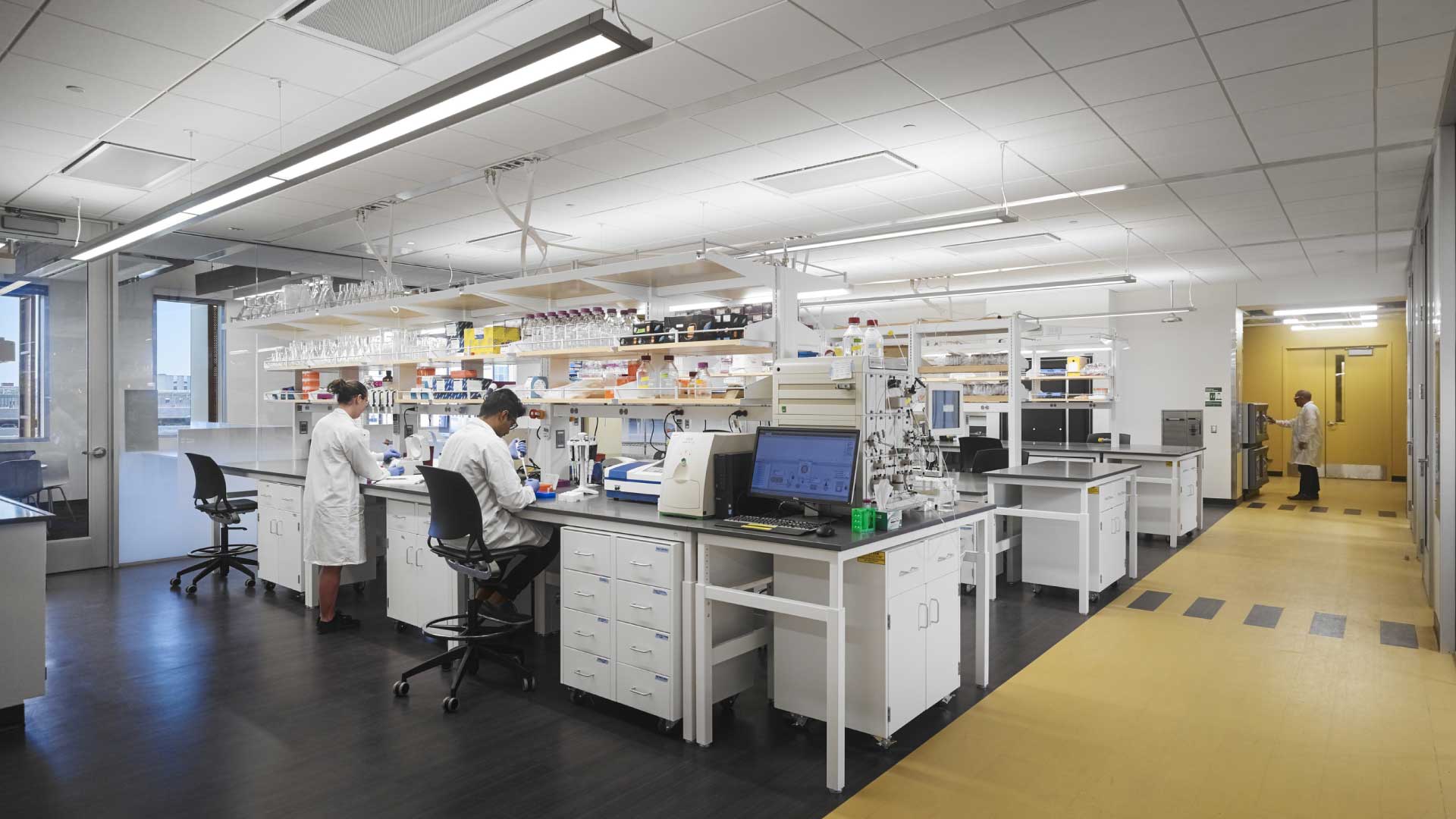
Setting up a food testing microbiology lab is a critical step for ensuring food safety and quality. In today’s world, where foodborne illnesses can spread rapidly, businesses, regulatory authorities, and research institutions are increasingly focusing on establishing reliable microbiology labs. A well-designed lab ensures accurate detection of pathogens, spoilage organisms, and other microbial contaminants in food products.
Considerations for Food Testing Microbiology Lab Setup
The first step in setting up a food microbiology lab is planning the layout. The lab should be divided into zones based on workflow requirements: sample reception, preparation, testing, incubation, and waste disposal. Proper zoning minimizes the risk of cross-contamination and ensures a smooth testing process.
Equipment selection is another crucial factor. Essential instruments include autoclaves for sterilization, incubators for microbial growth, microscopes, laminar airflow cabinets, pH meters, and analytical balances. Advanced labs may also include PCR machines and ELISA kits for molecular and immunological testing. Choosing high-quality equipment from reputable suppliers ensures reliable results and long-term lab efficiency.
Laboratory safety cannot be overlooked. A microbiology lab must comply with biosafety guidelines to protect lab personnel and prevent contamination. This includes using personal protective equipment (PPE), proper storage of chemicals, clearly marked waste disposal areas, and regular training on safety protocols. Safety measures are essential not only for compliance but also for maintaining credibility in food testing services.
Standard Operating Procedures (SOPs) play a vital role in consistent testing. SOPs cover everything from sample handling to microbial testing methods, data recording, and equipment maintenance. By following standardized procedures, labs can ensure accuracy, reproducibility, and reliability of results, which is especially important for certification and regulatory purposes.
Sample management is another critical aspect. Proper labeling, storage, and transportation of samples prevent errors and ensure integrity during testing. Cold storage facilities such as refrigerators and freezers are necessary for maintaining sample quality, particularly for perishable food items.
Finally, investing in skilled personnel is essential. Microbiologists, lab technicians, and quality control staff with proper training can efficiently conduct tests, interpret results, and maintain lab standards. Continuous professional development and certification courses help staff stay updated with the latest methods and regulations in food microbiology.
In conclusion, a well-planned food testing microbiology lab setup involves strategic layout design, advanced equipment, safety protocols, SOPs, proper sample management, and skilled personnel. Establishing such a lab not only ensures food safety but also builds trust with consumers, regulatory bodies, and stakeholders in the food industry.
Related Industries

-1731232756.jpg)
Topics