Microscopy Analysis
- Published inFood & Beverage
- Jun 27, 2024
- 1.59 Min
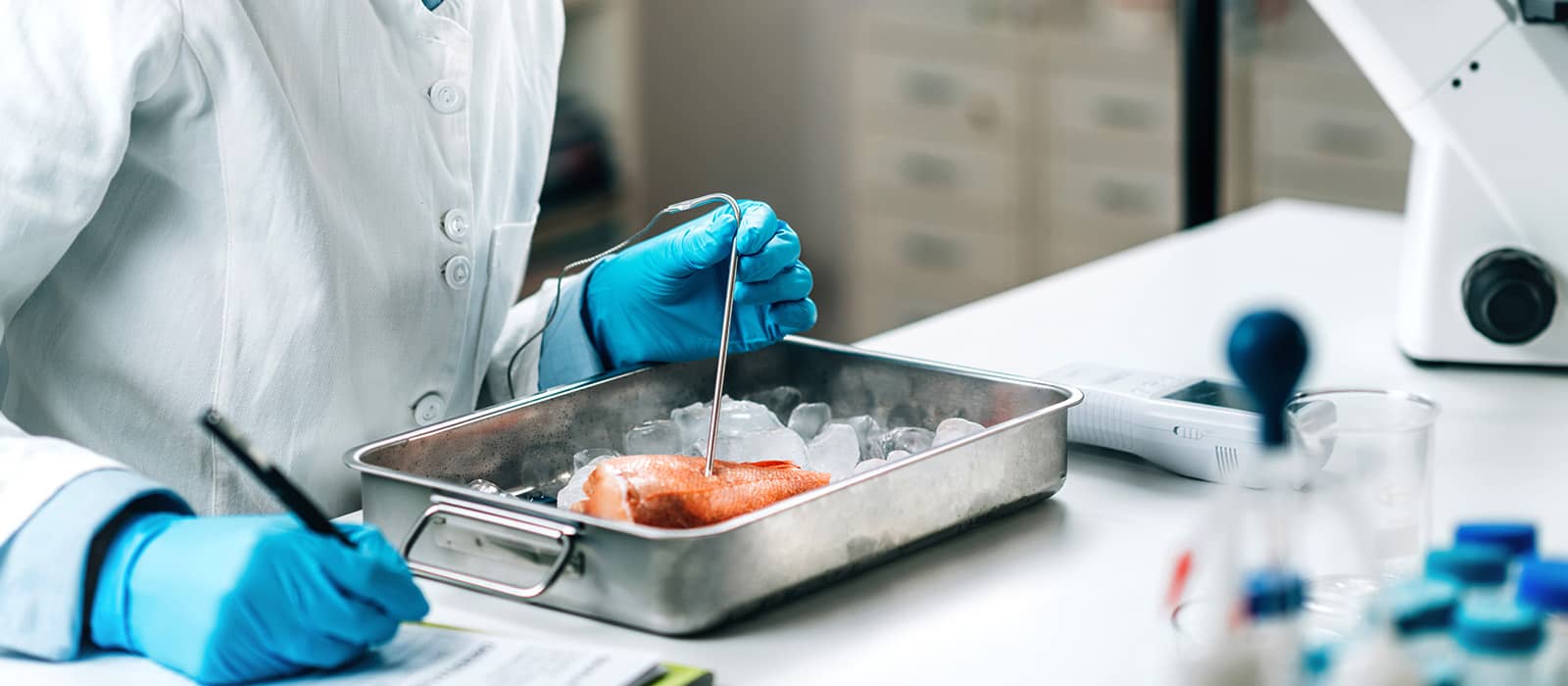
In the modern food industry, ensuring the quality, safety, and authenticity of food products is more critical than ever. One of the most precise and reliable methods to achieve this is through food testing microscopy analysis. This technique allows scientists and quality control professionals to examine food samples at a microscopic level, revealing details that are invisible to the naked eye.
Importance of Microscopy in Food Testing
Microscopy plays a vital role in identifying contaminants, adulterants, and microbial presence in food products. Using advanced microscopes, food scientists can detect bacteria, fungi, and other harmful microorganisms that could pose health risks. This analysis also helps in verifying the integrity of food ingredients, ensuring that consumers receive what is promised on product labels.
One of the key advantages of microscopy is its ability to provide a rapid and detailed assessment. Unlike some chemical tests that may take hours or even days, microscopy can quickly reveal structural anomalies or contamination, allowing for immediate action. For instance, in powdered milk or spices, microscopic analysis can uncover the presence of foreign particles, insect fragments, or even chemical residues.
Food testing microscopy analysis is not limited to contamination detection. It also helps in understanding the texture and structure of food materials, which is essential for quality control and product development. By examining the cellular composition of fruits, vegetables, and processed foods, researchers can study how different processing techniques affect nutritional content and shelf life.
Advanced techniques, such as fluorescence microscopy and scanning electron microscopy (SEM), have further enhanced the capabilities of food testing labs. Fluorescence microscopy allows scientists to detect specific compounds or microbes by using fluorescent dyes that bind to target molecules. SEM provides highly detailed three-dimensional images of food surfaces, enabling the identification of microscopic defects or impurities that could affect product quality.
In addition to safety and quality, microscopy analysis is also crucial for food authentication. With increasing cases of food fraud, such as adulteration of honey, oils, or dairy products, microscopic examination can verify the origin and purity of food items. By analyzing the microscopic structure of ingredients, laboratories can detect inconsistencies that indicate adulteration or mislabeling.
Overall, food testing microscopy analysis is an indispensable tool in the food industry. From ensuring consumer safety to maintaining product quality and authenticity, microscopy provides insights that are both accurate and actionable. Its role in modern laboratories continues to grow, supported by technological advancements that make the analysis faster, more precise, and more informative.
This method is widely adopted in food testing laboratories across Bangladesh and worldwide, serving as a benchmark for regulatory compliance, research, and innovation in the food sector.
Related Industries




-1731232756.jpg)
Topics