Cattle Monitoring
- Published inAgriculture & Livestock
- Jun 25, 2024
- 1.5 Min
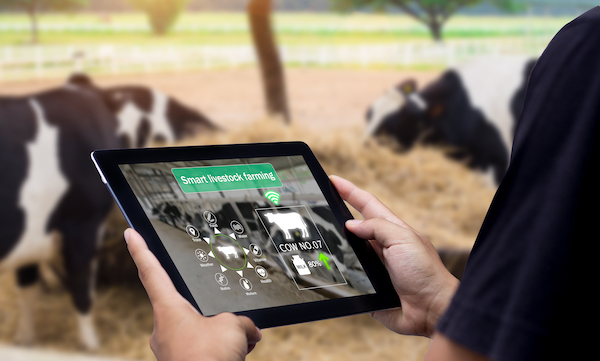
Cattle monitoring has emerged as a game-changer in modern agriculture, especially in Bangladesh, where livestock farming plays a vital role in the economy. A reliable Cattle Monitoring System in Bangladesh enables farmers to manage their herds more efficiently, improve productivity, and ensure the health and welfare of their cattle. Traditional livestock management methods are often labor-intensive and prone to errors, but smart technology now allows real-time monitoring of cattle behavior, health, and location.
One of the key benefits of a Cattle Monitoring System in Bangladesh is enhanced animal health management. Wearable devices and sensors track vital signs such as temperature, heart rate, and activity levels. Early detection of illness or stress allows farmers to intervene quickly, reducing veterinary costs and preventing disease outbreaks. Healthy cattle lead to higher milk production, better-quality meat, and improved overall farm profitability.
Smart Livestock Management also includes breeding and reproductive monitoring. Modern cattle monitoring systems can detect estrus cycles and monitor reproductive health, helping farmers make precise breeding decisions. By identifying the optimal breeding time, farmers can improve conception rates and ensure a strong, productive herd.
Behavior tracking is another critical feature of smart livestock management. Sensors provide data on grazing patterns, movement, and feeding habits. Any unusual behavior, like reduced activity or irregular feeding, can indicate stress, injury, or illness. Immediate intervention helps maintain the welfare of the herd and minimizes losses.
Additionally, GPS-enabled cattle monitoring systems in Bangladesh allow farmers to track the location of their livestock. This technology ensures proper pasture management, prevents theft, and reduces labor costs. Location tracking is particularly useful for large herds spread over vast lands, helping farmers manage resources efficiently.
Investing in smart livestock management also promotes sustainable farming practices. By optimizing feed usage, reducing disease risks, and improving herd management, farmers can minimize waste and environmental impact. Moreover, data collected from monitoring systems can guide better farm strategies and support long-term growth in the livestock sector.
In conclusion, a Cattle Monitoring System in Bangladesh is revolutionizing traditional livestock management. From health monitoring and reproductive tracking to behavior analysis and GPS location tracking, these systems provide farmers with actionable insights to enhance productivity and ensure animal welfare. Adopting smart technology in livestock farming is no longer optional—it is essential for efficient, profitable, and sustainable cattle management.
With smart livestock management, Bangladeshi farmers can improve herd health, increase production, and secure a competitive advantage in the growing livestock industry. Technology-driven cattle monitoring represents the future of farming in Bangladesh.
Related Industries



Topics