Environmental Monitoring
- Published inAgriculture & Livestock
- Jun 26, 2024
- 1.5 Min
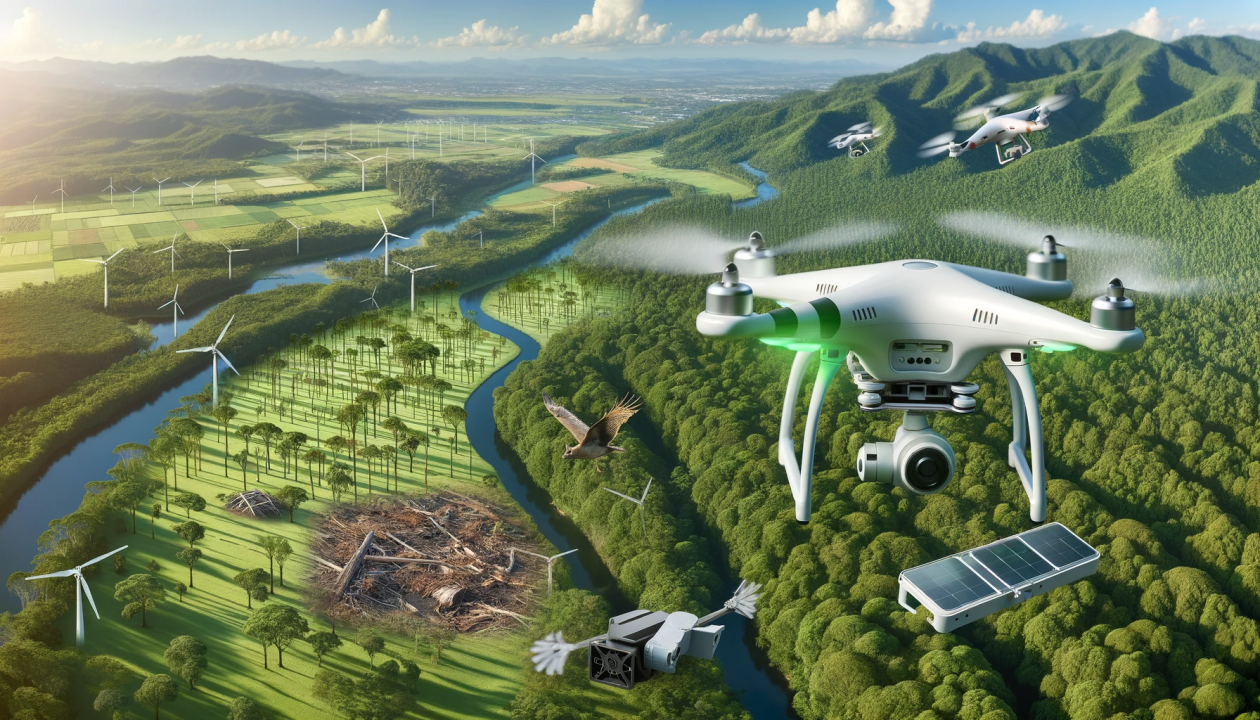
In recent years, the agriculture and livestock sectors have witnessed a significant transformation thanks to technology. Environmental monitoring has become a cornerstone for improving productivity, ensuring sustainability, and maintaining the health of both crops and animals. By using modern monitoring tools, farmers and livestock managers can make informed decisions, minimize losses, and promote eco-friendly practices.
Importance of Environmental Monitoring in Agriculture
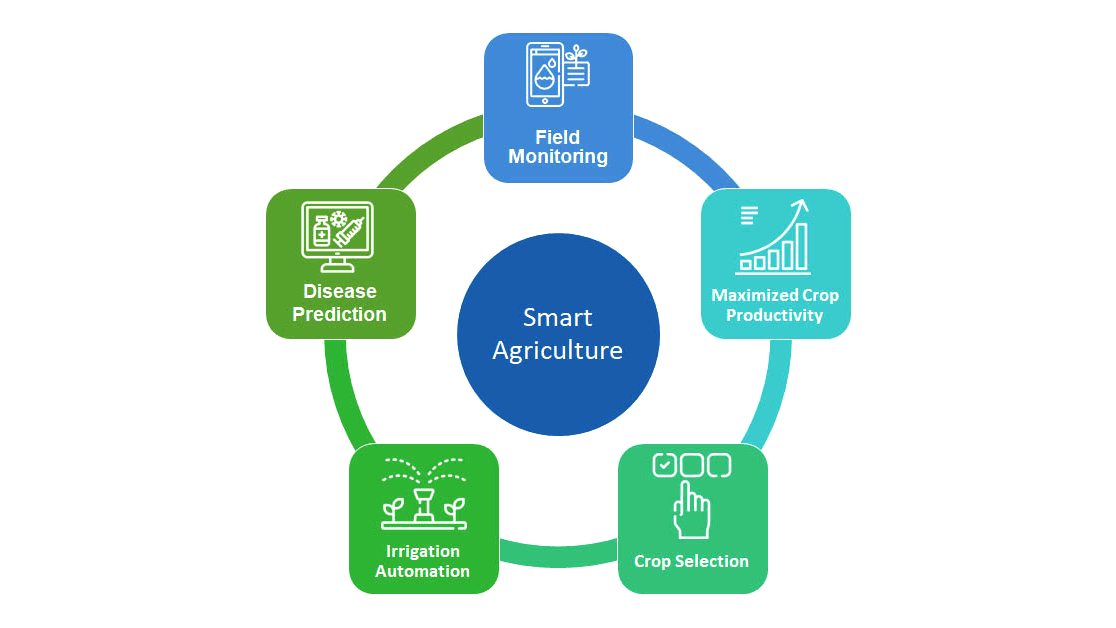
Agricultural production heavily depends on environmental factors like temperature, humidity, soil conditions, and water availability. Monitoring these parameters helps farmers detect early signs of crop stress, pest infestations, or diseases. For instance, soil moisture sensors can guide irrigation schedules, reducing water waste and preventing overwatering. Weather monitoring systems can provide real-time alerts on extreme conditions, protecting crops from unexpected storms or heatwaves. By keeping track of environmental conditions, farmers can increase yields, optimize resource use, and maintain soil fertility.
Livestock Environmental Monitoring for Better Health
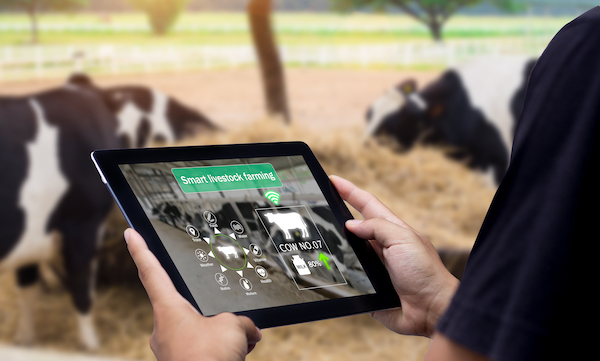
In the livestock sector, environmental monitoring is equally crucial. Animals are sensitive to temperature, humidity, and air quality. Poor environmental conditions can lead to stress, reduced productivity, or even diseases. Modern monitoring systems track barn temperature, ventilation, ammonia levels, and humidity to ensure livestock live in optimal conditions. For example, automated sensors can detect changes in behavior or health patterns, alerting farmers to potential issues early on. Maintaining proper environmental conditions not only improves animal welfare but also enhances meat, milk, and egg production quality.
Technologies Transforming Monitoring Practices
Several technologies have revolutionized environmental monitoring in agriculture and livestock:
-
IoT Sensors: Devices that track soil moisture, temperature, and air quality in real-time.
-
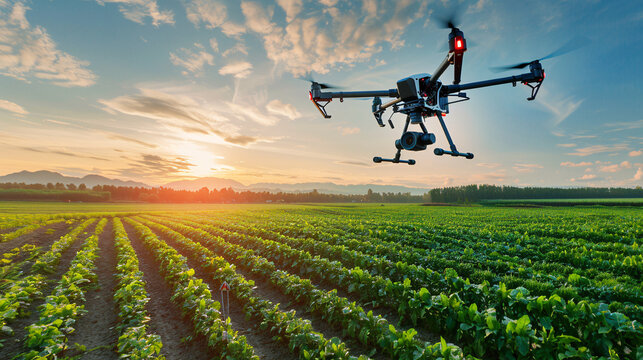
Drones & Satellite Imaging: Provide large-scale monitoring for crop health, soil erosion, and water distribution.
-
Automated Weather Stations: Deliver precise forecasts and data to plan farming activities efficiently.
-
Data Analytics & AI: Analyze collected data to predict crop yield, detect diseases, and optimize livestock care.
Sustainable Farming and Livestock Practices
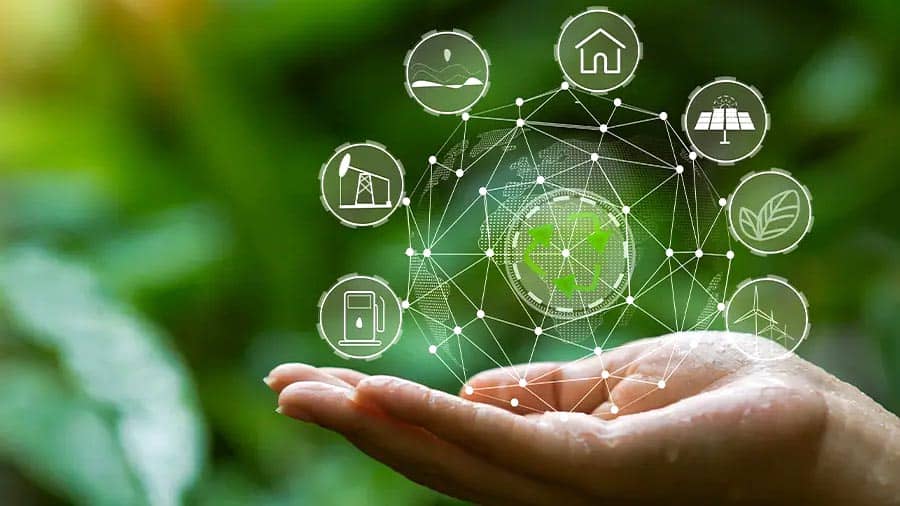
Environmental monitoring also promotes sustainable farming. By understanding environmental patterns, farmers can reduce excessive use of fertilizers, pesticides, and water. Similarly, livestock monitoring can minimize greenhouse gas emissions and ensure waste management practices comply with environmental standards. These actions contribute to eco-friendly production, supporting the global goal of sustainable agriculture.
Agriculture & livestock environmental monitoring is no longer optional; it is essential for modern farming. By integrating technology, farmers can protect crops, ensure livestock health, optimize resources, and achieve sustainable growth. Investing in these monitoring systems today promises higher productivity, reduced losses, and a greener future for Bangladesh’s agriculture and livestock sectors.
Related Industries
Topics