Crop Monitoring & Management
- Published inAgriculture & Livestock
- Jun 23, 2024
- 1.49 Min
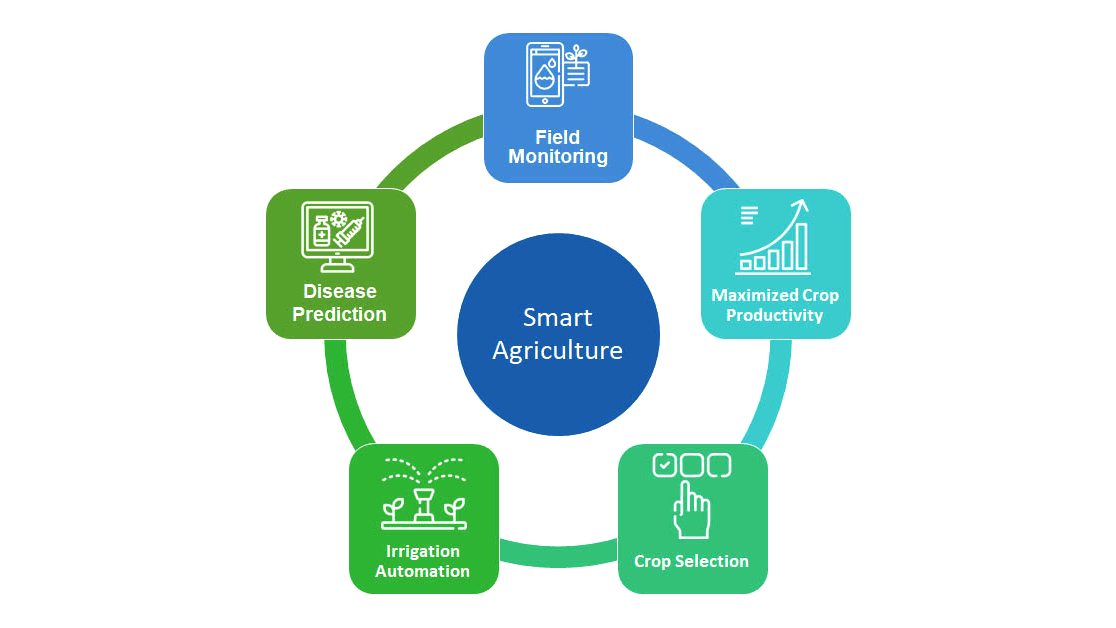
In modern agriculture, Crop Monitoring & Management plays a vital role in ensuring optimal yield, resource efficiency, and sustainable farming practices. With the growing demand for food and the challenges posed by climate change, farmers are increasingly turning to advanced technologies and data-driven approaches to monitor crop health, manage resources, and prevent losses.
Understanding Crop Monitoring
Crop monitoring involves the continuous observation and analysis of crops throughout their growth cycle. It helps farmers detect early signs of diseases, pest infestations, nutrient deficiencies, or water stress. Traditionally, this was done manually through field inspections, but now modern methods include remote sensing, drones, and satellite imagery. These technologies provide real-time data on plant health, soil condition, and crop growth patterns, enabling farmers to make timely decisions.
Importance of Crop Management
Effective crop management ensures that crops receive the right care at the right time. This includes irrigation scheduling, pest and disease control, fertilization, and pruning. By managing crops efficiently, farmers can improve yields, reduce costs, and minimize environmental impact. Crop management also supports sustainable farming by optimizing the use of water, fertilizers, and pesticides, reducing wastage, and promoting eco-friendly practices.
Technologies in Crop Monitoring & Management
-
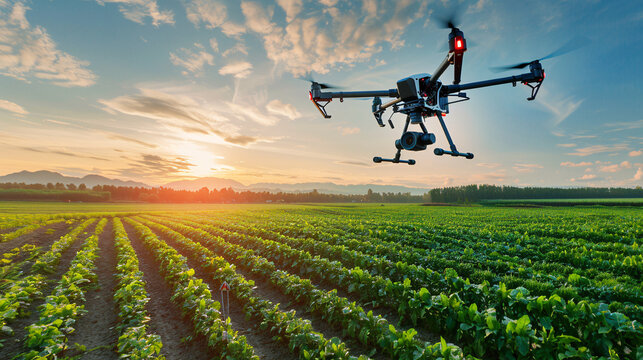
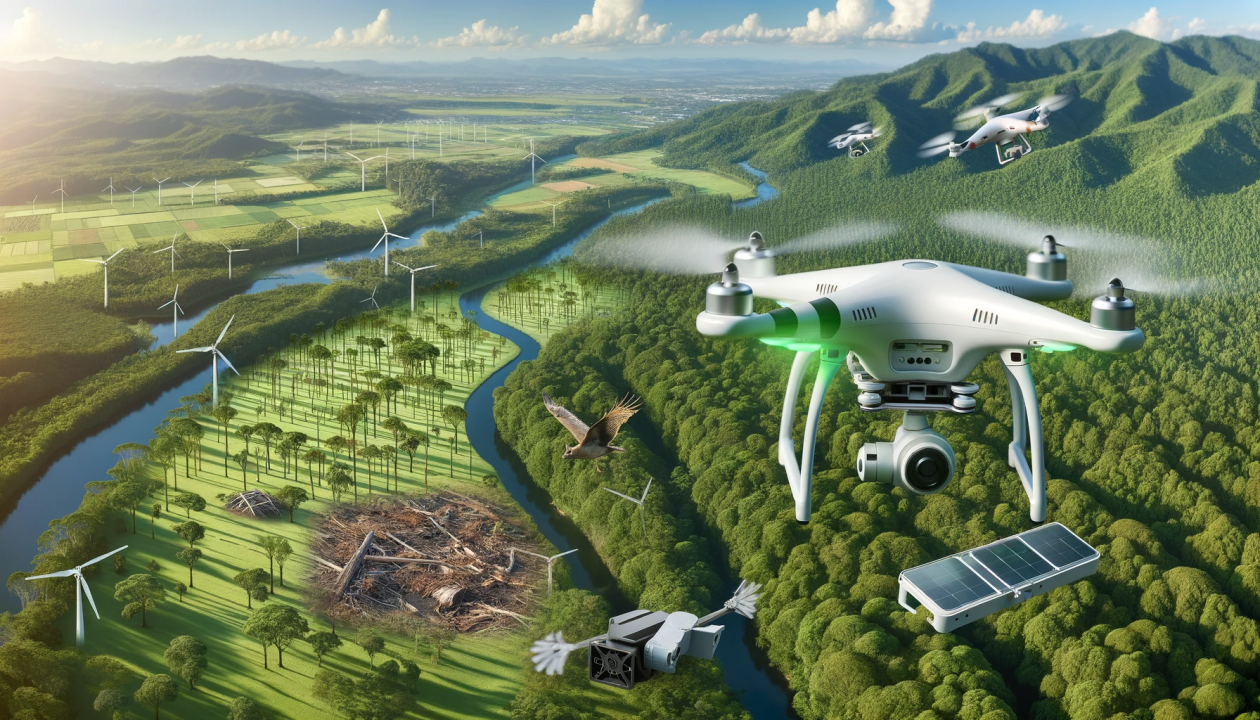
Drones and UAVs – Equipped with high-resolution cameras and sensors, drones can capture detailed images of fields, detect stressed plants, and monitor crop growth in real-time.
-
Remote Sensing and Satellite Imagery – These tools provide large-scale monitoring and help track changes in crop health, soil moisture, and vegetation indexes over time.
-
IoT and Smart Sensors – Soil moisture sensors, weather stations, and nutrient sensors provide accurate data that help optimize irrigation, fertilization, and pest control.
-
Crop Management Software – Advanced software platforms allow farmers to record field data, track crop performance, and make data-driven decisions to maximize yield and reduce losses.
Benefits of Crop Monitoring & Management
-
Increased Yield: Timely interventions prevent crop damage and promote healthier growth.
-
Cost Efficiency: Optimized use of fertilizers, water, and pesticides reduces unnecessary expenses.
-
Early Problem Detection: Diseases, pests, and nutrient deficiencies are detected early, minimizing losses.
-
Sustainable Farming: Reduces environmental impact by avoiding overuse of chemicals and conserving resources.
Adopting Crop Monitoring & Management practices is essential for modern farmers looking to increase productivity and sustainability. By leveraging technology and data-driven strategies, farmers in Bangladesh and worldwide can improve crop quality, reduce costs, and contribute to a more sustainable agricultural ecosystem. Investing in crop monitoring tools and effective management techniques ensures healthier crops and a more profitable farming future.
Related Industries
Topics