Smart Farming and Plantation
- Published inAgriculture & Livestock
- Jun 23, 2024
- 1.47 Min
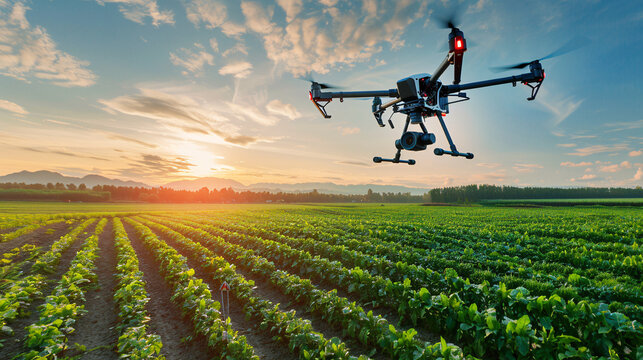
Smart farming and plantations have emerged as the future of agriculture, combining technology with traditional farming practices to boost productivity, efficiency, and sustainability. With the growing global population and increasing demand for food, farmers are turning to innovative solutions that maximize yield while minimizing resource wastage.
What is Smart Farming?
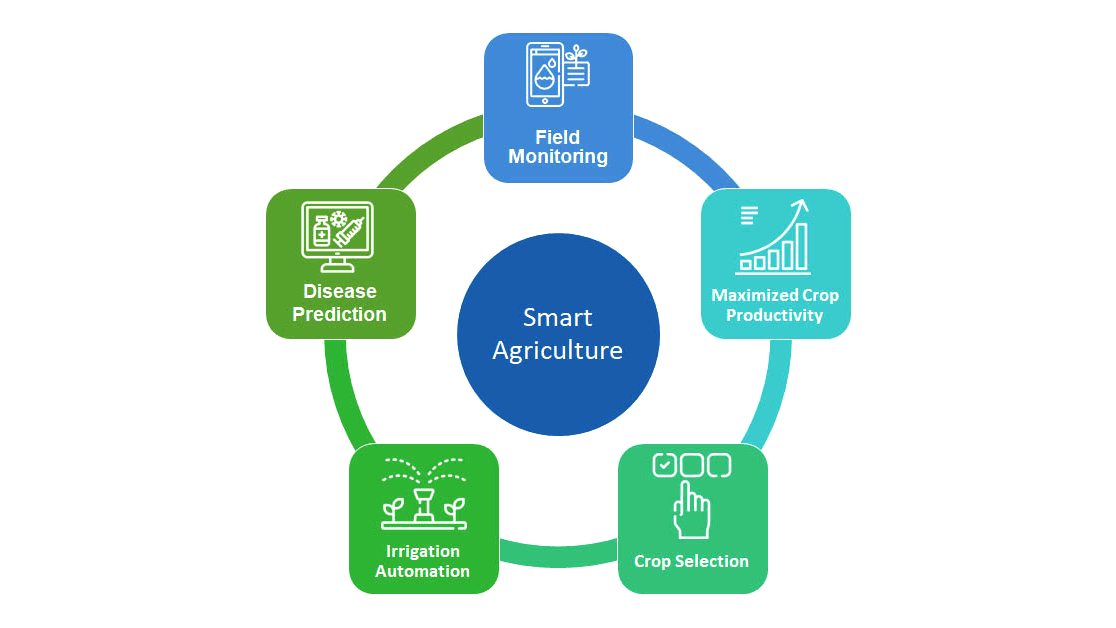
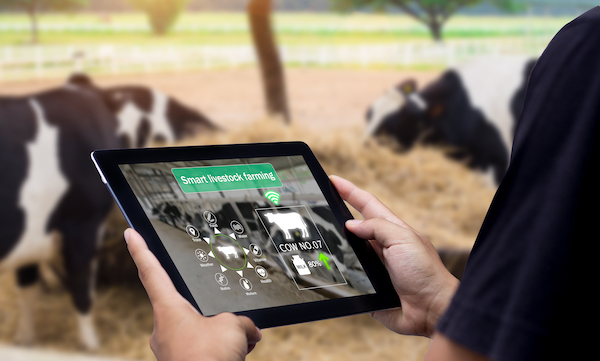
Smart farming, also known as precision agriculture, integrates advanced technologies such as the Internet of Things (IoT), Artificial Intelligence (AI), drones, and sensors to monitor and manage agricultural activities. This approach enables farmers to make data-driven decisions about planting, irrigation, fertilization, and pest control. By leveraging real-time information, smart farming reduces costs, improves crop quality, and increases overall efficiency.
Key Technologies in Smart Farming
-
IoT Sensors: Soil, moisture, and climate sensors provide real-time data on crop health and environmental conditions.
-
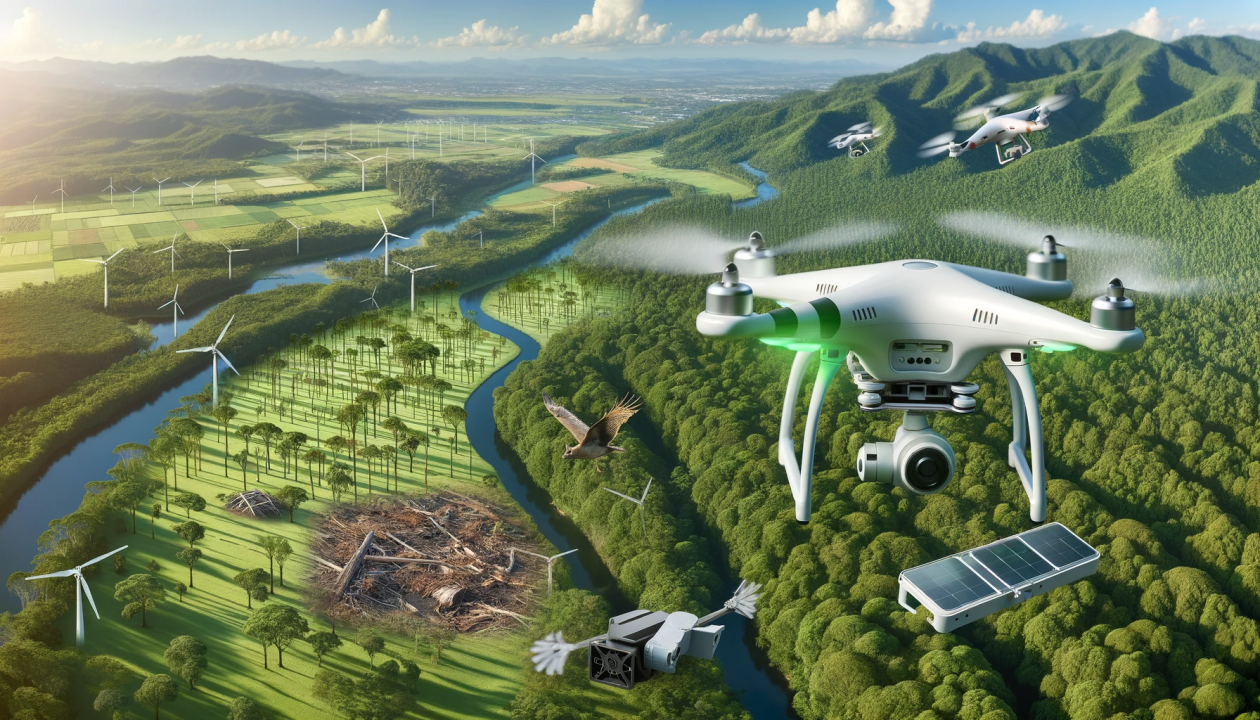
Drones and Satellite Imaging: These tools monitor crop growth, detect diseases early, and assess field conditions accurately.
-
AI and Machine Learning: Predictive analytics help farmers optimize crop rotation, yield forecasts, and pest management strategies.
-
Automated Machinery: Smart tractors, harvesters, and irrigation systems reduce labor costs and enhance precision.
Smart Plantation Practices
Smart plantation practices focus on sustainable farming techniques while integrating modern technologies. This includes automated irrigation, precision planting, and controlled use of fertilizers. Vertical farming, hydroponics, and greenhouse plantations are also part of smart plantation methods, ensuring optimal resource use and higher productivity.
Benefits of Smart Farming and Plantation
-
Increased Productivity: Smart farming maximizes crop yield by providing accurate data and reducing human error.
-
Sustainable Agriculture: Efficient use of water, fertilizers, and pesticides reduces environmental impact.
-
Cost Reduction: Automation and precision agriculture cut labor and operational costs.
-
Improved Crop Quality: Continuous monitoring ensures healthier and more nutritious produce.
-
Climate Adaptation: Smart systems help farmers adapt to unpredictable weather patterns and mitigate crop loss risks.
The Future of Agriculture
The adoption of smart farming and plantations is growing rapidly worldwide, including in developing countries. Governments, agricultural organizations, and private companies are investing in technology-driven solutions to support farmers. With further advancements in AI, robotics, and biotechnology, smart farming will continue to transform traditional agriculture into a highly efficient and sustainable industry.
In conclusion, smart farming and plantation offer a promising pathway to address the challenges of modern agriculture. By embracing technology, farmers can achieve higher productivity, reduce environmental impact, and ensure food security for future generations. The integration of innovation with traditional farming practices marks a significant step toward a sustainable agricultural revolution.
Related Industries
Topics