Automated Training Simulators
- Published inEducation
- Jun 27, 2024
- 1.6 Min
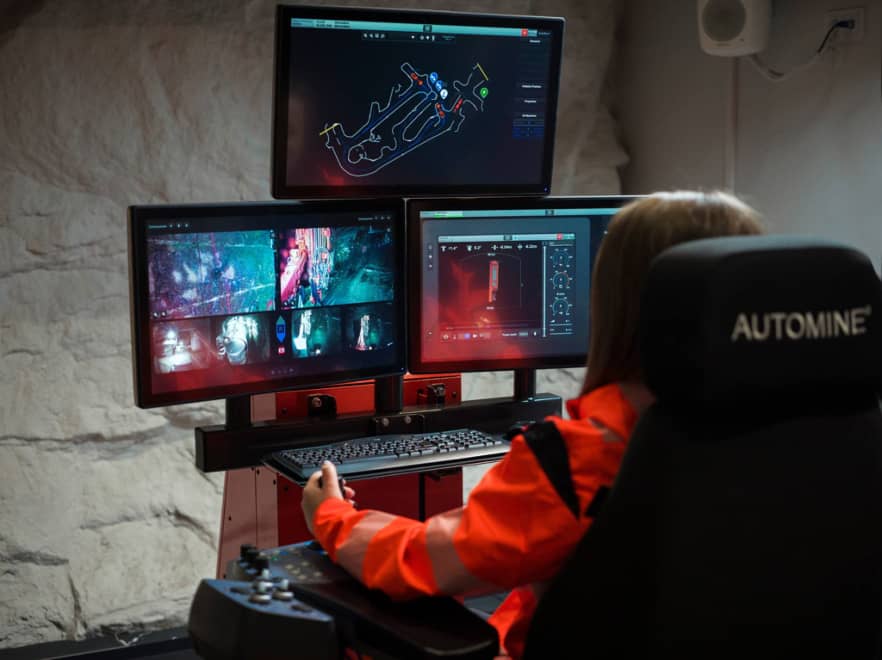
In today’s fast-paced world, Automated Training Simulators have become a cornerstone for professional development and skill enhancement across multiple industries. From aviation to industrial machinery, these high-tech systems are transforming traditional training methods, making learning safer, faster, and more efficient.
What Are Automated Training Simulators?
Automated training simulators are advanced digital platforms designed to replicate real-world environments and scenarios. They allow learners to practice, experiment, and refine their skills in a controlled virtual setting. By simulating real-life conditions, these systems eliminate the risks associated with on-the-job training, providing a safe space for trial and error.
The technology behind these simulators combines virtual reality (VR), artificial intelligence (AI), and sophisticated software algorithms. This combination ensures that the simulation behaves realistically, giving trainees a near-authentic experience. Whether it’s operating heavy machinery, flying an aircraft, or navigating complex industrial processes, automated simulators prepare users for real-life challenges efficiently.
Key Benefits of Automated Training Simulators
-
Safety First: Trainees can make mistakes without real-world consequences. In industries like aviation or oil & gas, this aspect is crucial for reducing accidents and operational risks.
-
Cost-Effective: Traditional hands-on training often requires expensive equipment and materials. Automated simulators reduce costs by allowing repeated practice without wasting resources.
-
Faster Learning Curve: Simulators offer instant feedback, helping learners correct errors immediately and improve their performance faster. This accelerates the overall training process.
-
Adaptable Scenarios: Modern simulators can replicate a wide range of scenarios, from common routine tasks to rare emergency situations. This prepares employees for both everyday operations and unexpected crises.
-
Performance Tracking: Most simulators include analytics and performance tracking features, enabling trainers to monitor progress and identify areas for improvement.
Applications Across Industries
Aviation: Pilot training is perhaps the most recognized application of automated simulators. Trainees experience various flight scenarios, weather conditions, and emergency situations without leaving the ground.
Automotive and Industrial Training: Operators learn to handle machinery, conduct maintenance, and troubleshoot issues safely.
Healthcare: Surgeons and medical professionals practice complex procedures in a risk-free virtual environment, improving precision and patient safety.
Military and Defense: Soldiers and strategists use simulators for mission planning, tactical exercises, and combat readiness, all without the dangers of live operations.
The Future of Training
As technology continues to evolve, automated training simulators will become even more immersive, intelligent, and widely accessible. Integration with AI-driven analytics, VR, and cloud-based platforms will allow organizations to provide personalized training experiences at scale.
In conclusion, Automated Training Simulators are not just a trend—they are a revolution in learning and skill development. By combining safety, efficiency, and adaptability, they empower professionals to excel in their fields while reducing costs and risks for organizations.
Related Industries

Forestry Management
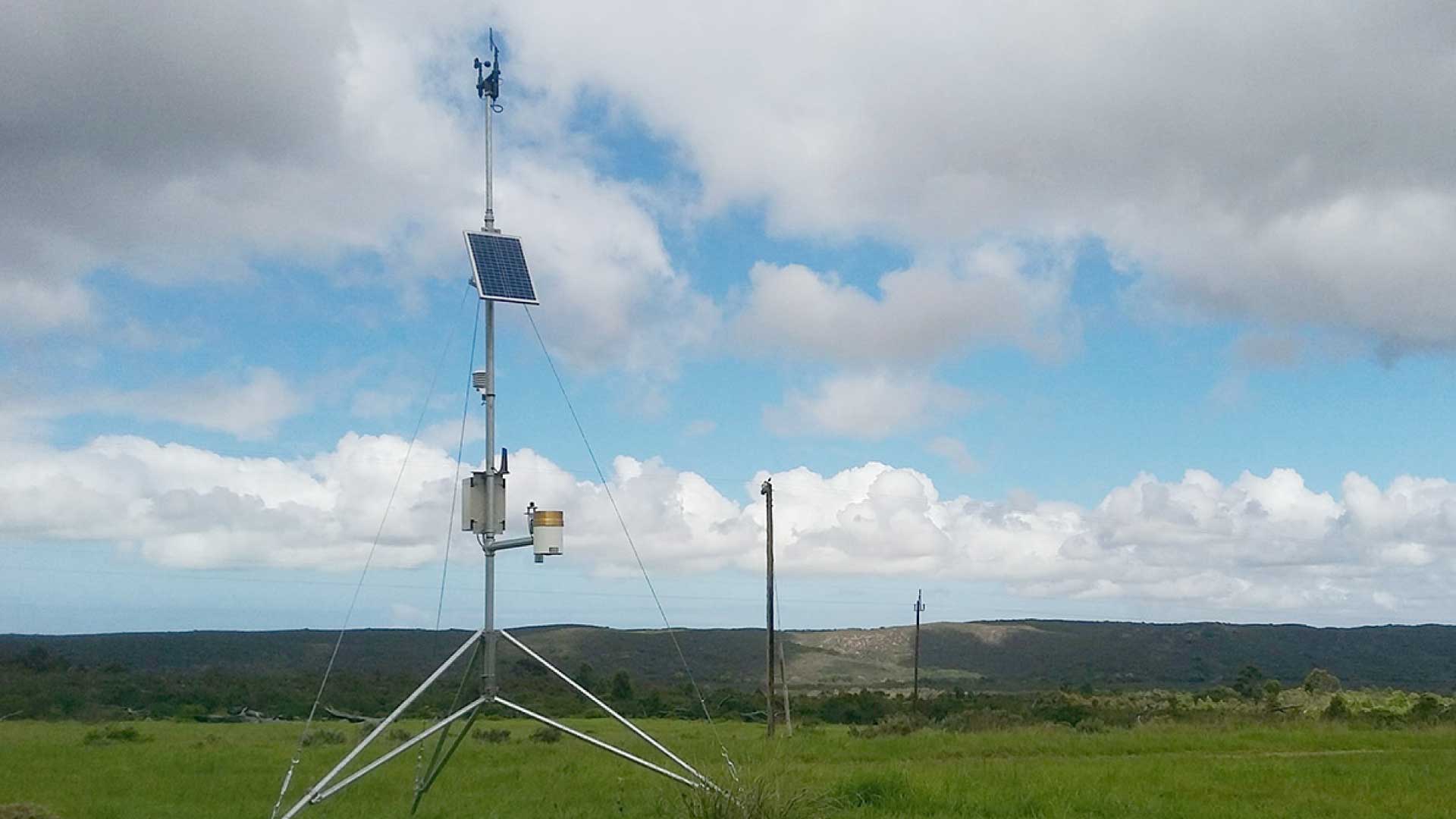
Automatic Weather Station
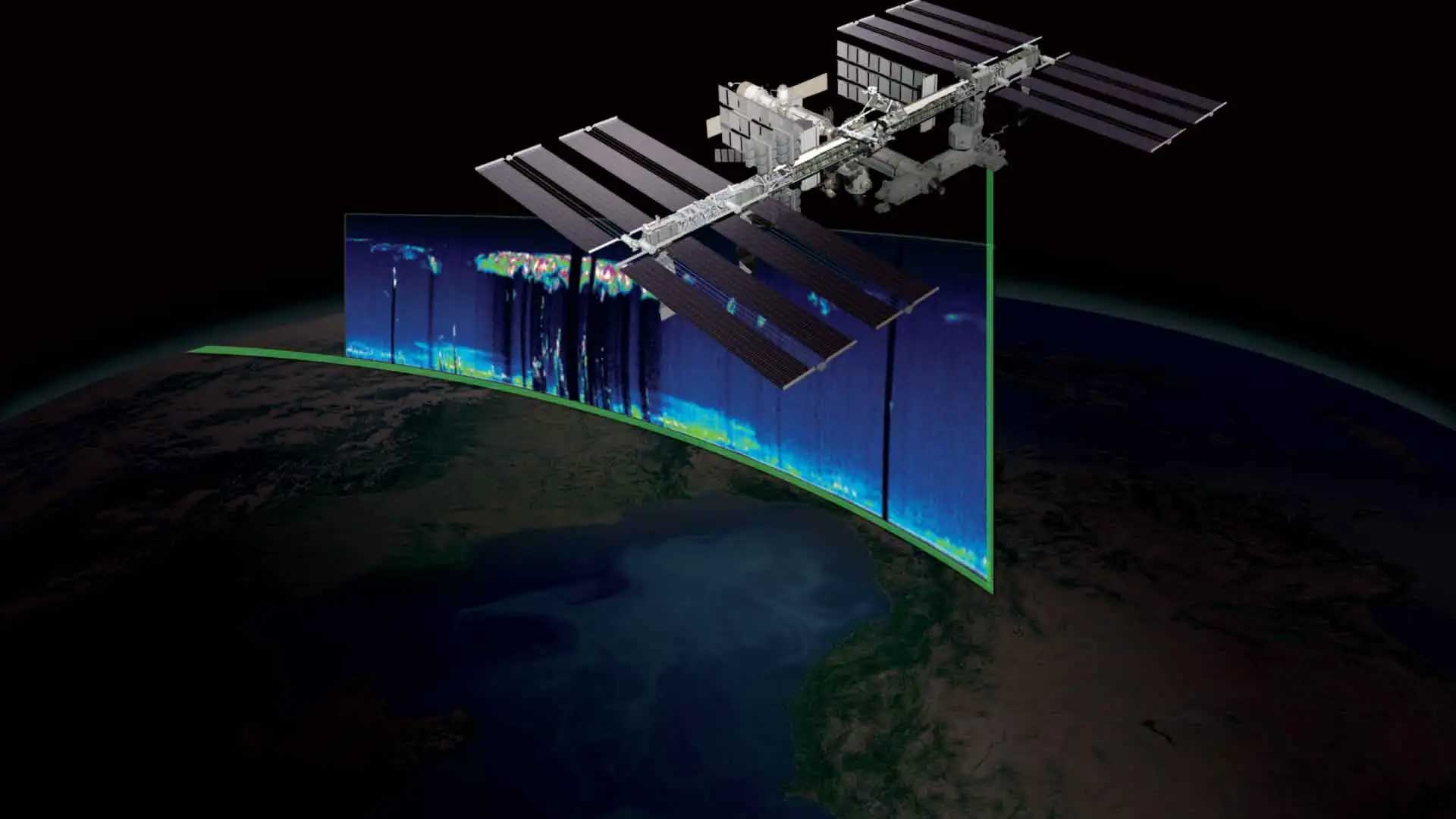
Remote Sensing & Observation System
-1731222380.jpg)
Augmented Reality (AR)
-1731222566.jpg)
Virtual Reality (VR)
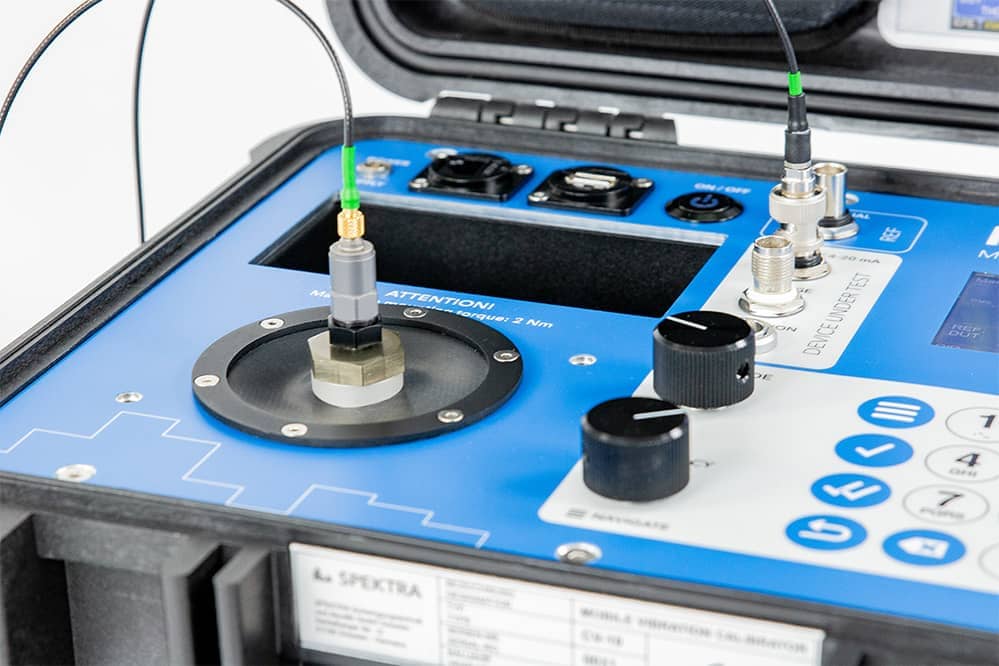
Integrated Testing & Calibration Solution
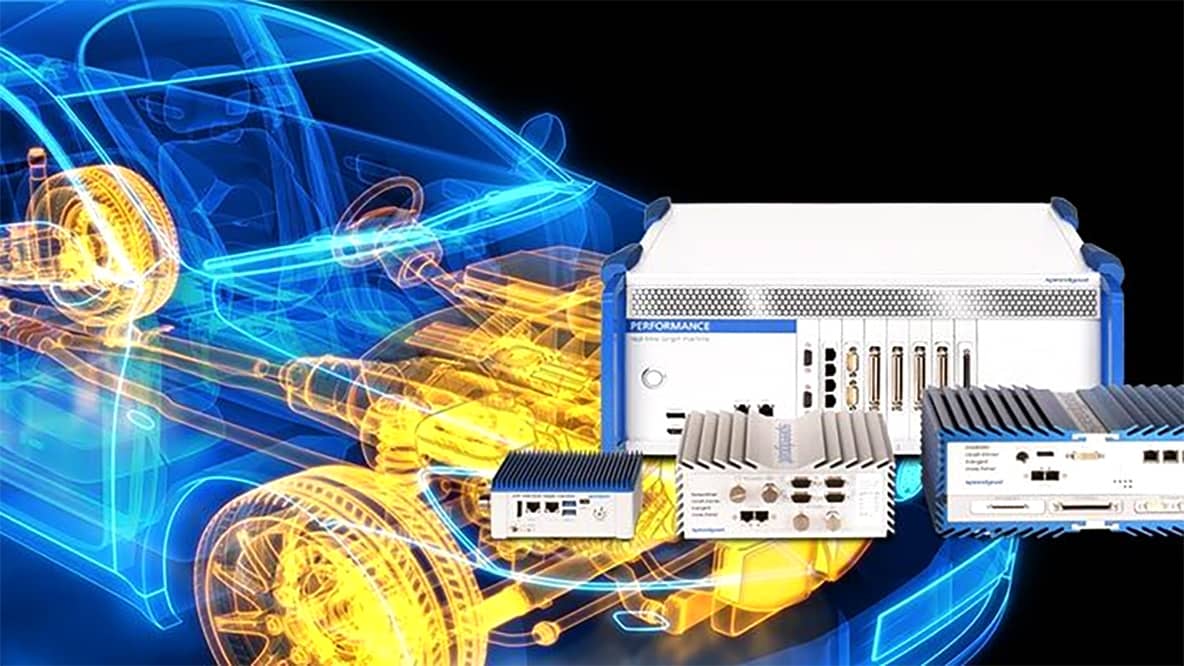
Real Time Simulation System
Automated Training Simulators
Topics