Integrated Testing & Calibration Solution
- Published inEducation
- Jun 27, 2024
- 1.54 Min
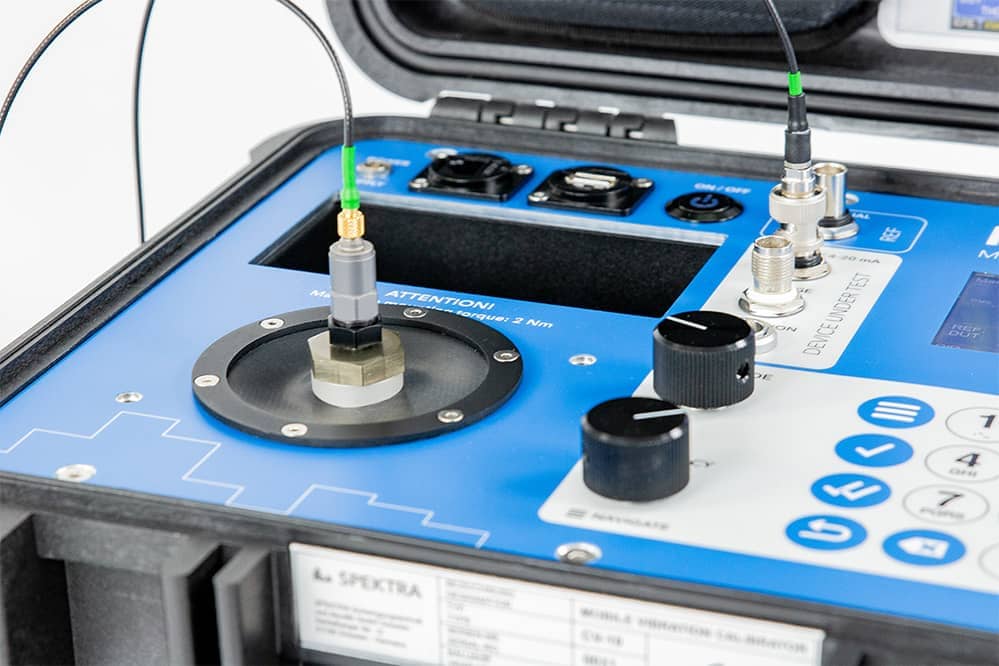
In today’s rapidly evolving industrial and technological landscape, ensuring the accuracy and reliability of equipment is more critical than ever. An Integrated Testing & Calibration Solution offers a comprehensive approach to maintain precision, optimize performance, and extend the lifespan of machinery and instruments. Companies across sectors, from manufacturing to energy, are increasingly relying on integrated solutions to streamline operations and reduce downtime.
Why Integrated Testing & Calibration Matters
Testing and calibration are not just routine procedures—they are essential for ensuring compliance with industry standards and enhancing product quality. Integrated solutions combine multiple testing and calibration processes into a unified system, allowing for more efficient management and monitoring of equipment. This reduces human error, saves time, and provides accurate, real-time data for informed decision-making.
For industries where precision is non-negotiable, such as electrical, mechanical, and environmental sectors, an integrated system ensures that instruments perform optimally, preventing costly breakdowns and improving safety standards.
Benefits of an Integrated Approach
An Integrated Testing & Calibration Solution offers several advantages:
-
Efficiency: By consolidating testing and calibration tasks, companies can reduce redundant procedures and streamline workflows.
-
Accuracy: Integrated systems ensure consistent and reliable measurements, minimizing the risk of errors.
-
Compliance: Adhering to national and international standards becomes easier, supporting audits and regulatory requirements.
-
Cost Savings: Preventive maintenance reduces equipment failure, saving money on repairs and production losses.
-
Data Management: Advanced integrated solutions provide detailed records and analytics, helping businesses make data-driven decisions.
These benefits make integrated solutions a smart investment for businesses that prioritize quality, safety, and operational excellence.
Applications Across Industries
From energy and manufacturing to pharmaceuticals and construction, integrated testing and calibration solutions have wide-ranging applications. For example, in power and electrical industries, precise calibration of instruments ensures uninterrupted energy distribution and reduces safety risks. In manufacturing, regular testing guarantees the consistency of product quality, which is crucial for maintaining customer trust and satisfaction.
By adopting an integrated approach, companies can achieve seamless coordination between testing, calibration, and maintenance activities, resulting in higher operational efficiency and long-term reliability.
Choosing the Right Solution
Selecting the right integrated testing and calibration solution depends on the specific needs of your business. Look for providers who offer a comprehensive range of services, modern equipment, and expert technical support. Solutions that integrate automation, advanced analytics, and cloud-based monitoring can further enhance accuracy, efficiency, and scalability.
Investing in a robust Integrated Testing & Calibration Solution is no longer optional—it is essential for businesses aiming to maintain precision, comply with standards, and optimize operational performance in a competitive market.
Related Industries

Forestry Management

Automatic Weather Station

Remote Sensing & Observation System
-1731222380.jpg)
Augmented Reality (AR)
-1731222566.jpg)
Virtual Reality (VR)
Integrated Testing & Calibration Solution
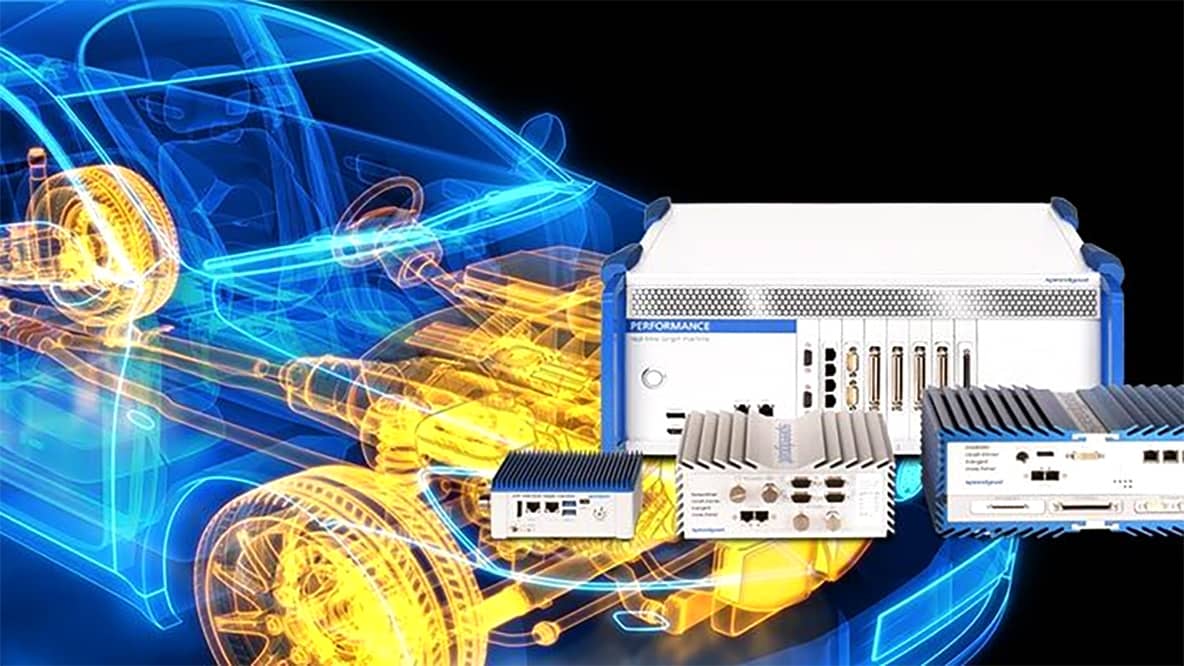
Real Time Simulation System
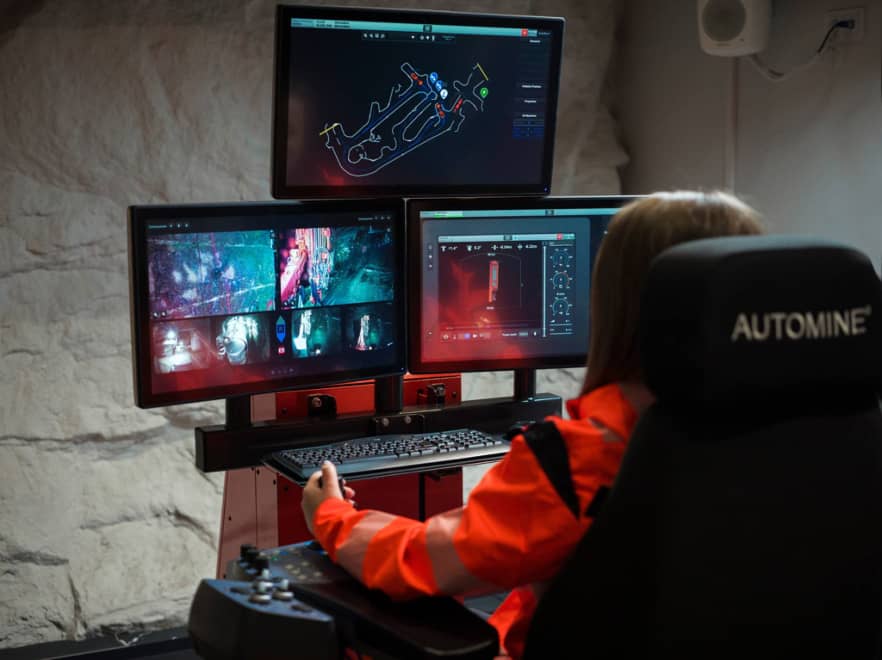
Automated Training Simulators
Topics