Virtual Reality (VR)
- Published inEducation
- Jun 27, 2024
- 1.47 Min
-1731222566.jpg "Virtual Reality (VR)")
Virtual Reality (VR) is no longer just a futuristic concept seen in movies or video games. Today, VR has become a transformative technology that is shaping industries, education, healthcare, entertainment, and even everyday life. By creating a fully immersive digital environment, VR allows users to experience experiences that feel incredibly real, without leaving their physical space.
What is Virtual Reality?
Virtual Reality is a technology that uses headsets, sensors, and software to generate a 3D environment. Users can interact with this environment through motion sensors, controllers, or even hand gestures. Unlike augmented reality (AR), which overlays digital content onto the real world, VR completely immerses the user in a virtual world, providing a sense of presence and engagement.
Applications of Virtual Reality
1. Gaming and Entertainment
The gaming industry has been one of the early adopters of VR. VR games provide players with immersive experiences, making them feel like they are inside the game. Beyond gaming, VR is also being used in virtual concerts, movie experiences, and interactive storytelling, offering a new dimension of entertainment.
2. Education and Training
Virtual Reality is revolutionizing learning by providing realistic simulations. Students can explore historical sites, dissect virtual organisms, or even practice surgery in a risk-free environment. For professional training, VR helps pilots, surgeons, and engineers gain hands-on experience without the risks associated with real-world practice.
3. Healthcare
In healthcare, VR is being used for pain management, physical therapy, and mental health treatment. Patients can use VR to manage anxiety or phobias, undergo rehabilitation exercises, and even participate in virtual therapy sessions, improving outcomes while making treatments more engaging.
4. Real Estate and Tourism
VR is changing the way people buy homes or explore travel destinations. With VR tours, potential buyers can walk through properties remotely, and travelers can experience destinations before booking their trips. This technology saves time, reduces costs, and enhances decision-making.
The Future of VR
The future of Virtual Reality is bright, with advancements in hardware, software, and connectivity making VR more accessible and affordable. As 5G networks expand and VR devices become lighter and more powerful, we can expect even more realistic simulations and broader applications across industries.
Virtual Reality is more than just a technological trend—it is a gateway to a new digital world that blurs the line between reality and imagination. As businesses, educators, and innovators continue to embrace VR, its potential to transform how we work, learn, and play is virtually limitless.
Related Industries

Forestry Management
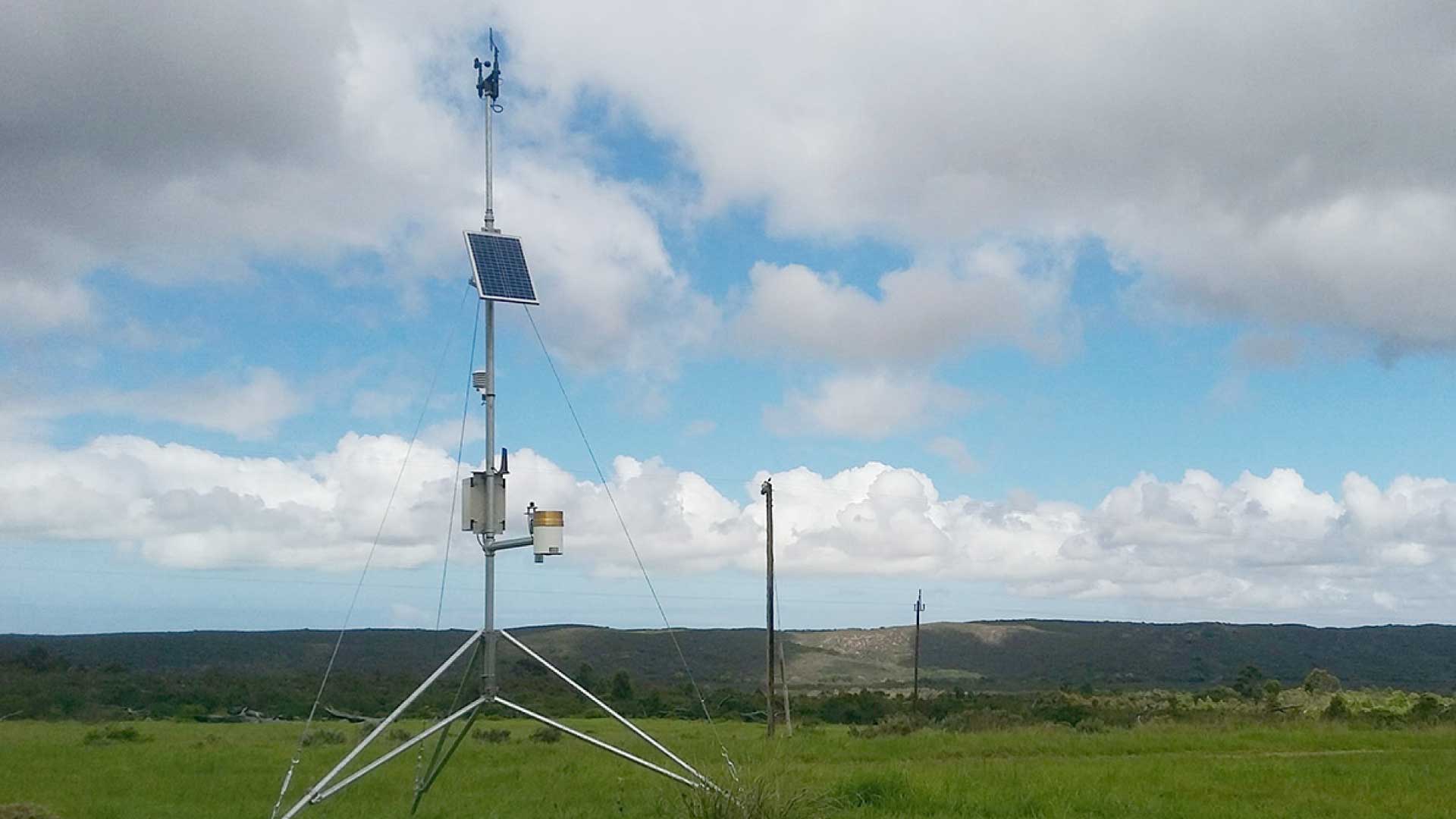
Automatic Weather Station
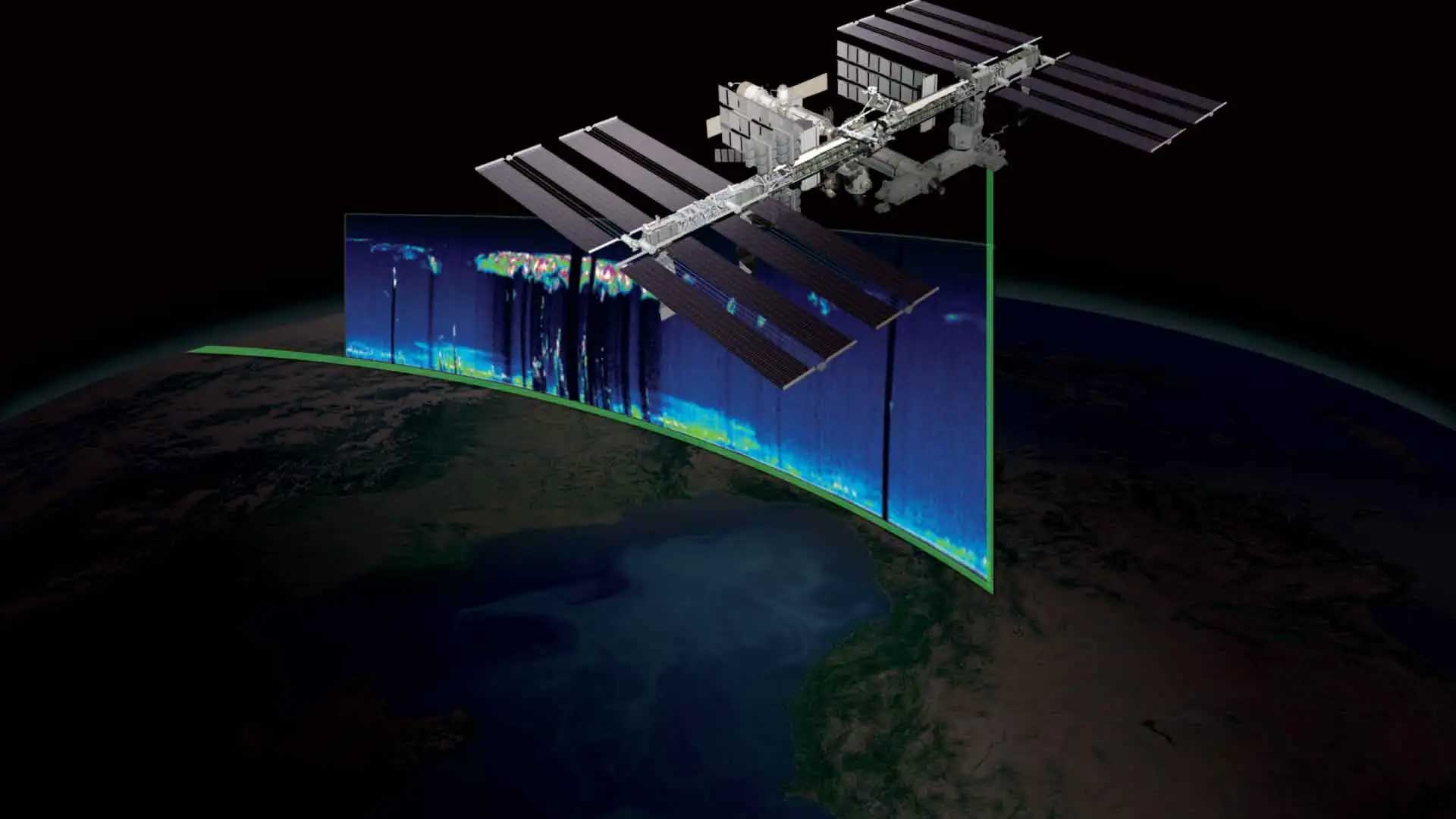
Remote Sensing & Observation System
-1731222380.jpg)
Augmented Reality (AR)
Virtual Reality (VR)
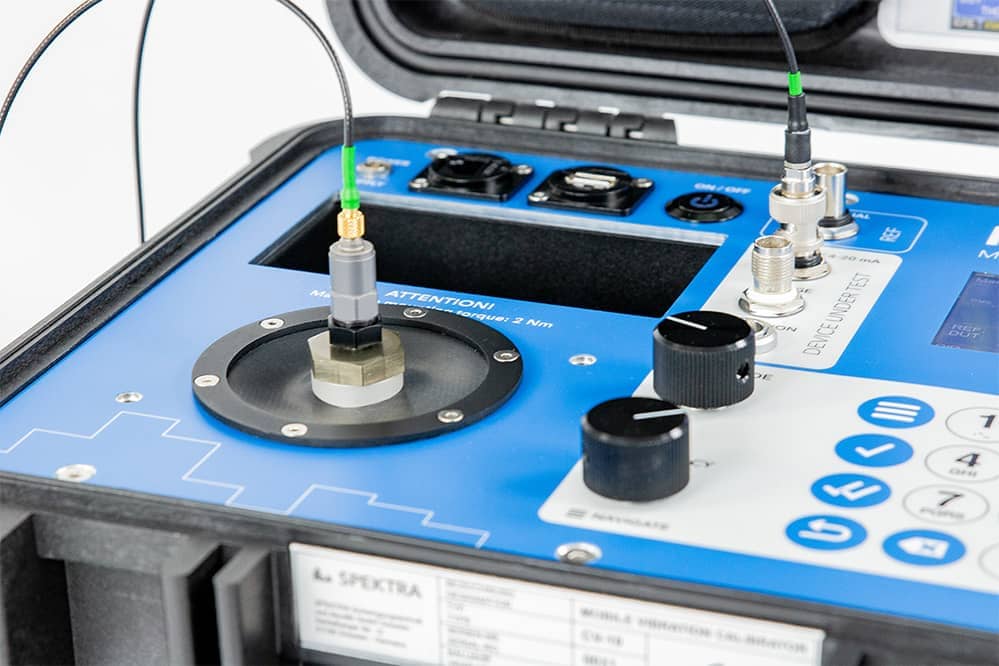
Integrated Testing & Calibration Solution

Real Time Simulation System
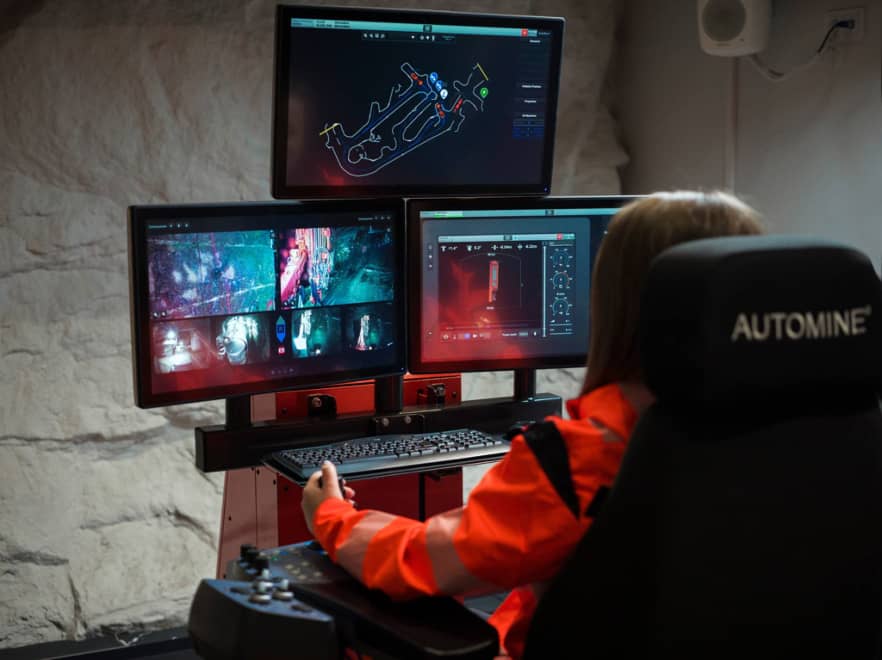
Automated Training Simulators
Topics