Real Time Simulation System
- Published inEducation
- Jun 27, 2024
- 1.23 Min
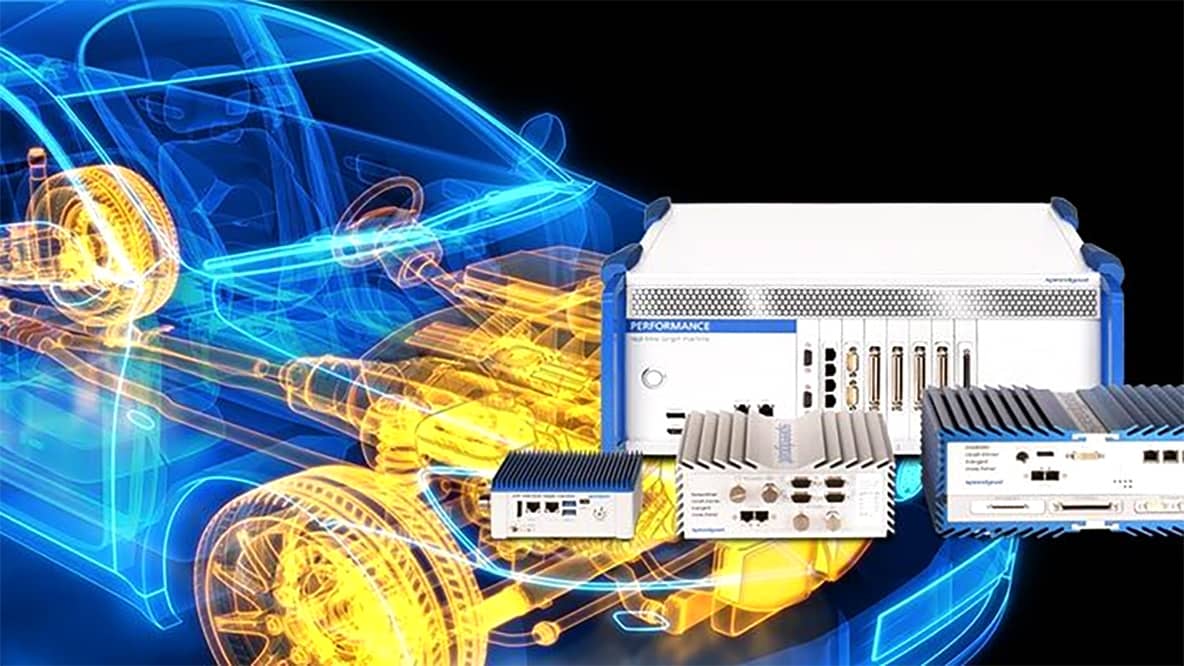
In today’s fast-paced technological world, Real Time Simulation System has emerged as a game-changer for industries ranging from engineering and manufacturing to aerospace and robotics. Unlike traditional simulation methods, real-time systems provide instantaneous feedback, enabling businesses and researchers to make informed decisions faster and more accurately.
What is a Real-Time Simulation System?
A Real simulation System is a computational tool that mimics the behavior of real-world systems as they operate. It processes input data and generates outputs instantly, reflecting changes as they happen in real life. This capability allows engineers and designers to test, optimize, and troubleshoot systems without the risks and costs associated with physical prototypes.
Key Applications of Real-Time Simulation
Industrial Automation
In industrial sectors, real-time simulation systems help optimize machinery and production lines. By predicting potential failures or inefficiencies, businesses can reduce downtime and enhance productivity.
Aerospace and Defense
Aerospace engineers use real-time simulations to test aircraft, drones, and defense equipment under various conditions. This reduces testing risks and ensures high performance in real-world scenarios.
Robotics and AI
Robotics development benefits greatly from real-time simulation. Developers can observe robot behavior in dynamic environments, allowing for precise tuning of algorithms and sensors before deployment.
Education and Training
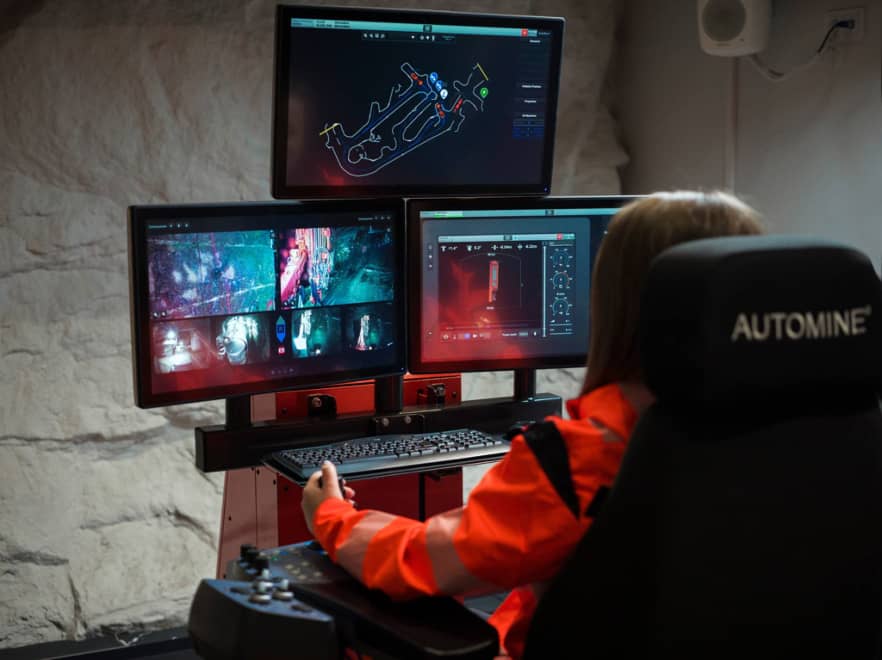
Real-time simulation is invaluable in education and professional training. Pilots, surgeons, and engineers can practice complex procedures safely, gaining hands-on experience in a controlled virtual environment.
Advantages of Real-Time Simulation Systems
-
Cost-Effective: Reduces the need for physical prototypes and extensive field testing.
-
Risk Reduction: Allows testing of critical systems without exposing humans or equipment to danger.
-
Efficiency: Speeds up research, development, and decision-making processes.
-
Flexibility: Easily adaptable for multiple industries and applications.
The Future of Real-Time Simulation
With advancements in computing power, artificial intelligence, and cloud technology, real-time simulation systems are becoming more accessible and sophisticated. Industries are increasingly relying on these systems for predictive maintenance, process optimization, and innovative product design.
Investing in a Real simulation System today can provide a competitive edge, enabling organizations to innovate faster, reduce operational risks, and enhance overall performance.
Related Industries

Forestry Management

Automatic Weather Station
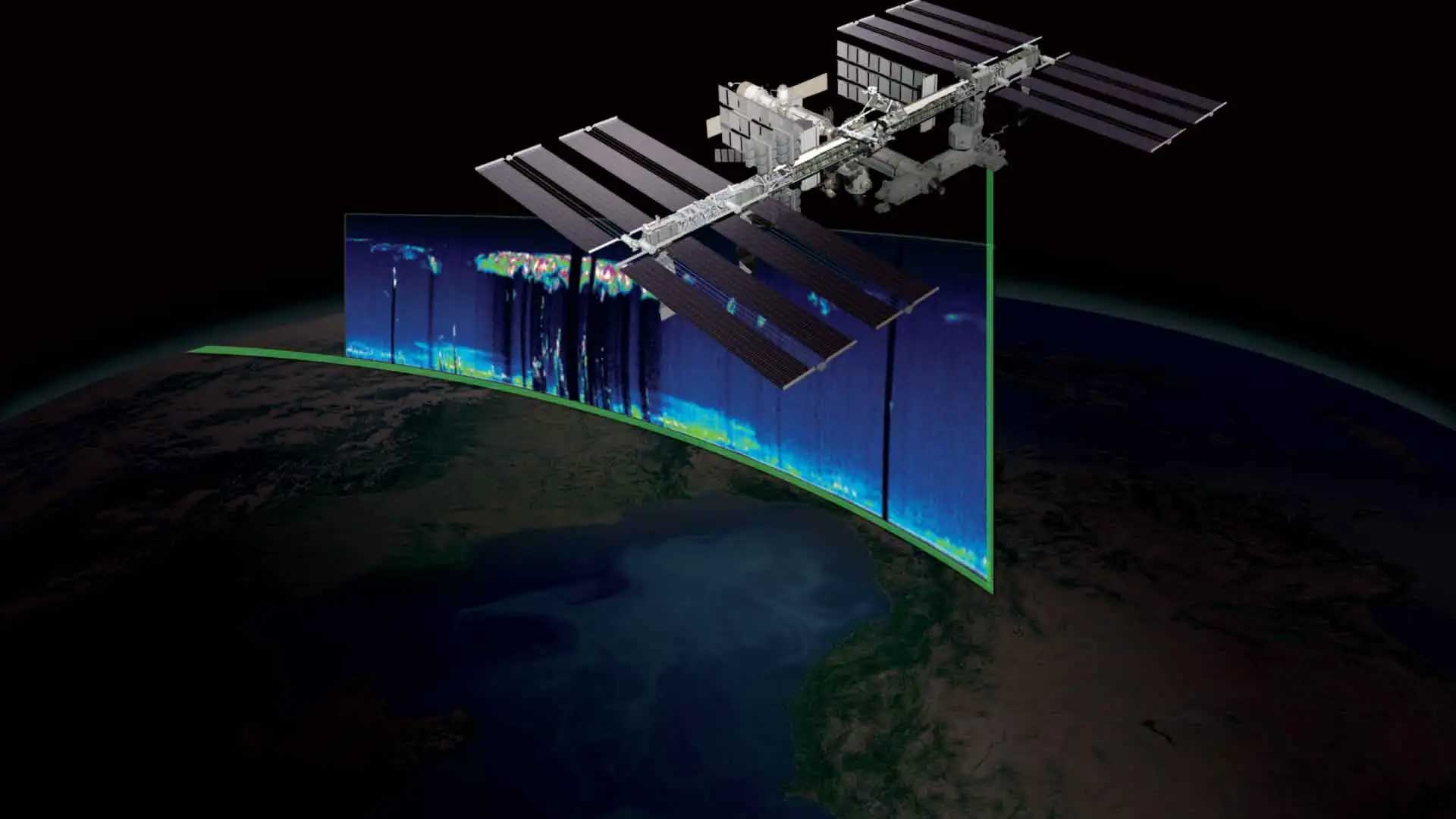
Remote Sensing & Observation System
-1731222380.jpg)
Augmented Reality (AR)
-1731222566.jpg)
Virtual Reality (VR)
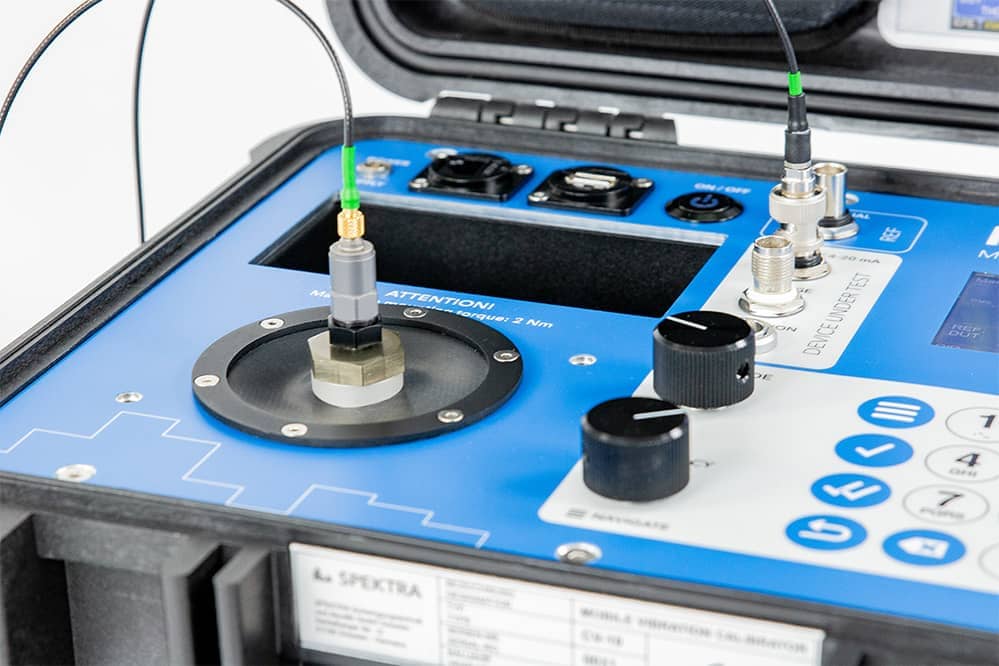
Integrated Testing & Calibration Solution
Real Time Simulation System
Automated Training Simulators
Topics