Remote Sensing & Observation System
- Published inEducation
- Jun 23, 2024
- 1.6 Min
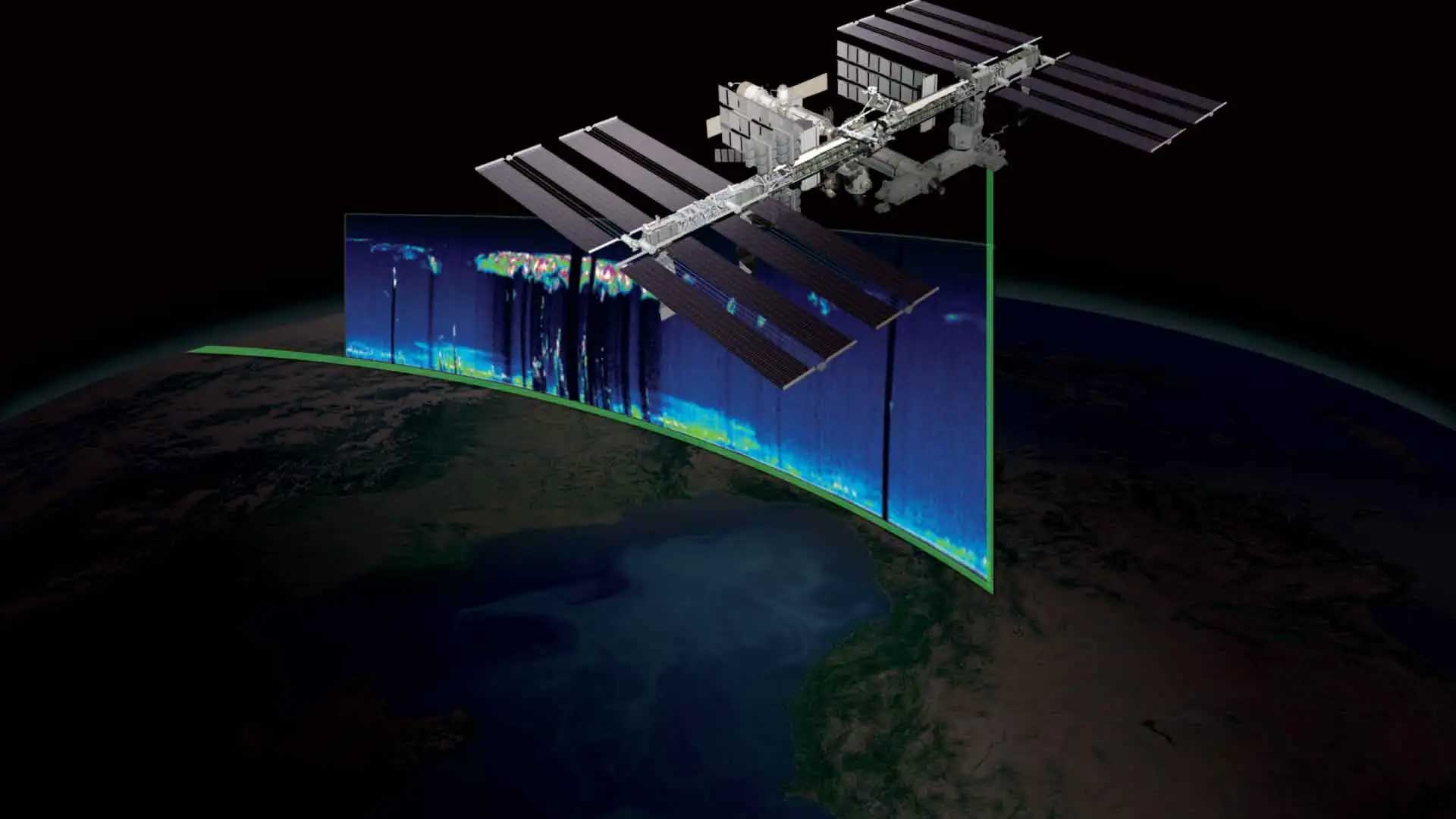
Remote sensing & observation systems have revolutionized the way we understand and monitor our environment. From tracking climate change to managing natural resources, these technologies provide accurate data without physical contact with the observed area. By using satellites, drones, and sensors, remote sensing systems collect valuable information in real-time, helping industries, governments, and researchers make informed decisions.
What is a Remote Sensing & Observation System?
A remote sensing & observation system is a technology used to detect and monitor physical characteristics of an area by measuring its reflected and emitted radiation from a distance. Unlike traditional survey methods, remote sensing eliminates the need for on-site data collection, saving time, cost, and resources.
These systems use devices like satellites, aerial drones, radar, LiDAR, and multispectral sensors to capture data across large areas. The information collected can be used for mapping, environmental monitoring, disaster management, agriculture, urban planning, and more.
Applications of Remote Sensing Systems
Remote sensing & observation systems have wide-ranging applications across multiple industries:
-
Environmental Monitoring: Scientists use these systems to track deforestation, water quality, air pollution, and climate changes. Remote sensing enables timely action to protect ecosystems.
-
Agriculture: Farmers leverage remote sensing data to monitor soil health, crop growth, and irrigation needs. This results in better yield predictions and efficient resource management.
-
Disaster Management: During floods, hurricanes, or earthquakes, remote sensing provides real-time data that helps authorities plan rescue operations and minimize damage.
-
Urban Planning: Cities use remote sensing & observation systems to plan infrastructure, monitor traffic, and manage land use effectively.
-
Defense and Security: Military agencies rely on remote sensing for surveillance, border monitoring, and threat assessment.
Advantages of Remote Sensing & Observation System
The benefits of implementing remote sensing & observation systems are immense:
-
Wide Area Coverage: Remote sensing can monitor vast and inaccessible areas that would be difficult to survey manually.
-
High Accuracy: Sensors and satellites provide precise data, improving decision-making and planning.
-
Cost-Effective: Reduces the need for extensive field surveys and manual inspections.
-
Real-Time Data: Enables timely responses to natural disasters or environmental changes.
Future of Remote Sensing & Observation
The future of remote sensing & observation systems is bright. With advancements in AI, machine learning, and high-resolution imaging, these systems are becoming smarter and more efficient. Integration with IoT devices and cloud computing will allow real-time analytics, predictive modeling, and automated monitoring, further enhancing their impact on industries and research worldwide.
In conclusion, remote sensing & observation systems are indispensable tools in today’s technologically driven world. Their ability to gather accurate, real-time data from a distance is transforming industries, improving safety, and helping humanity respond effectively to environmental and societal challenges.
Related Industries

Forestry Management
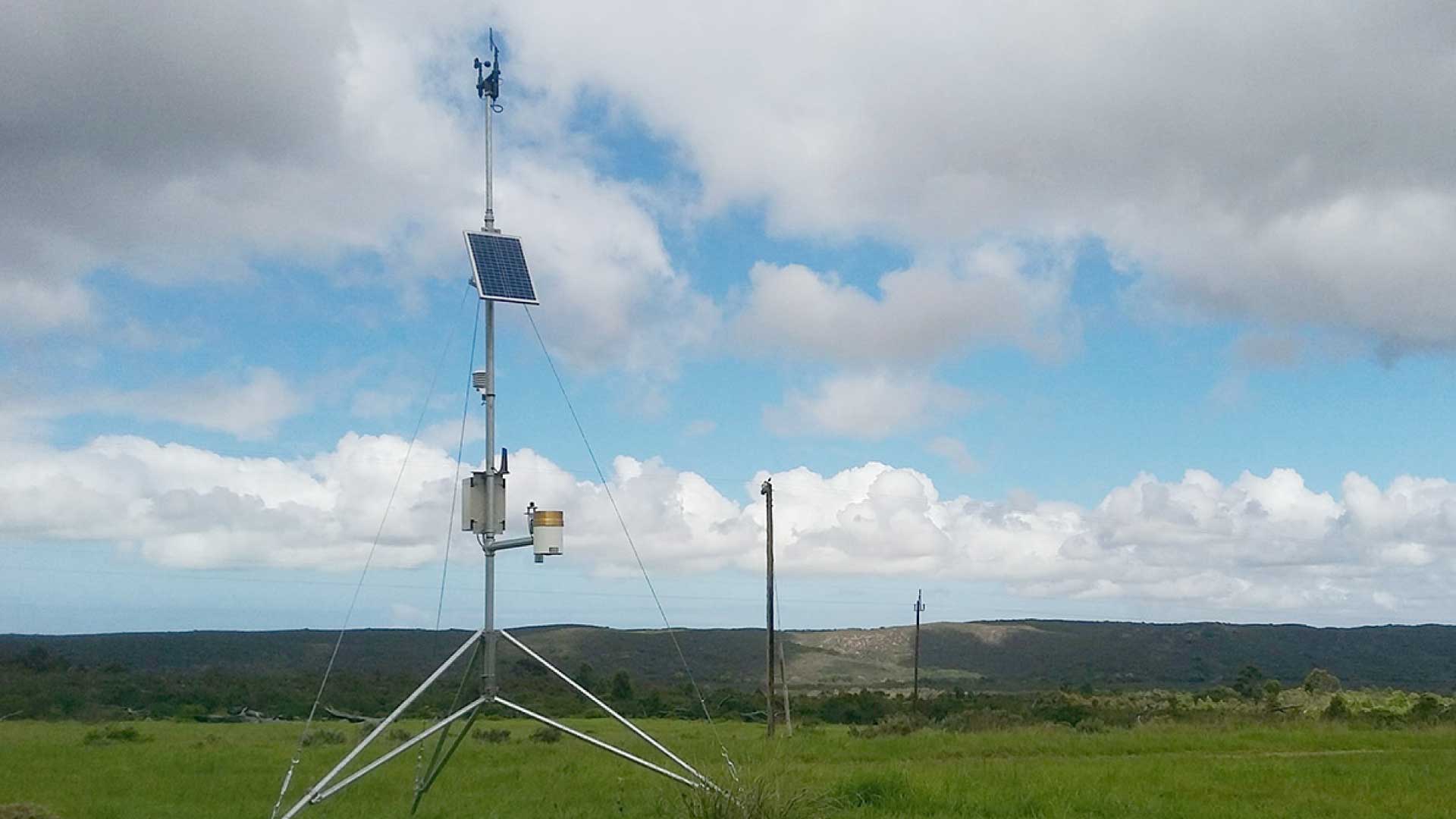
Automatic Weather Station
Remote Sensing & Observation System
-1731222380.jpg)
Augmented Reality (AR)
-1731222566.jpg)
Virtual Reality (VR)
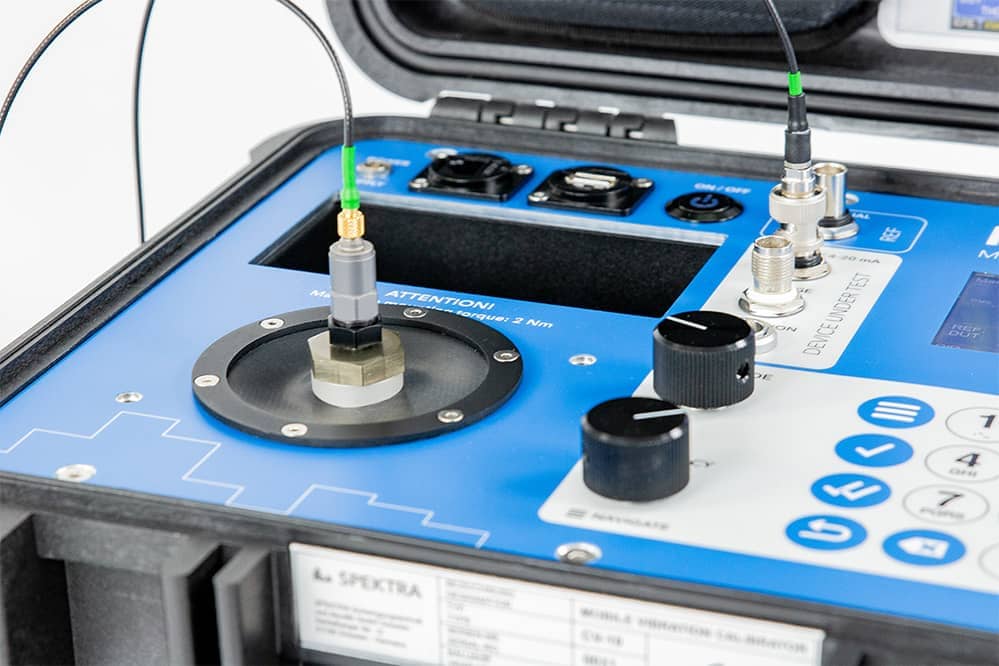
Integrated Testing & Calibration Solution
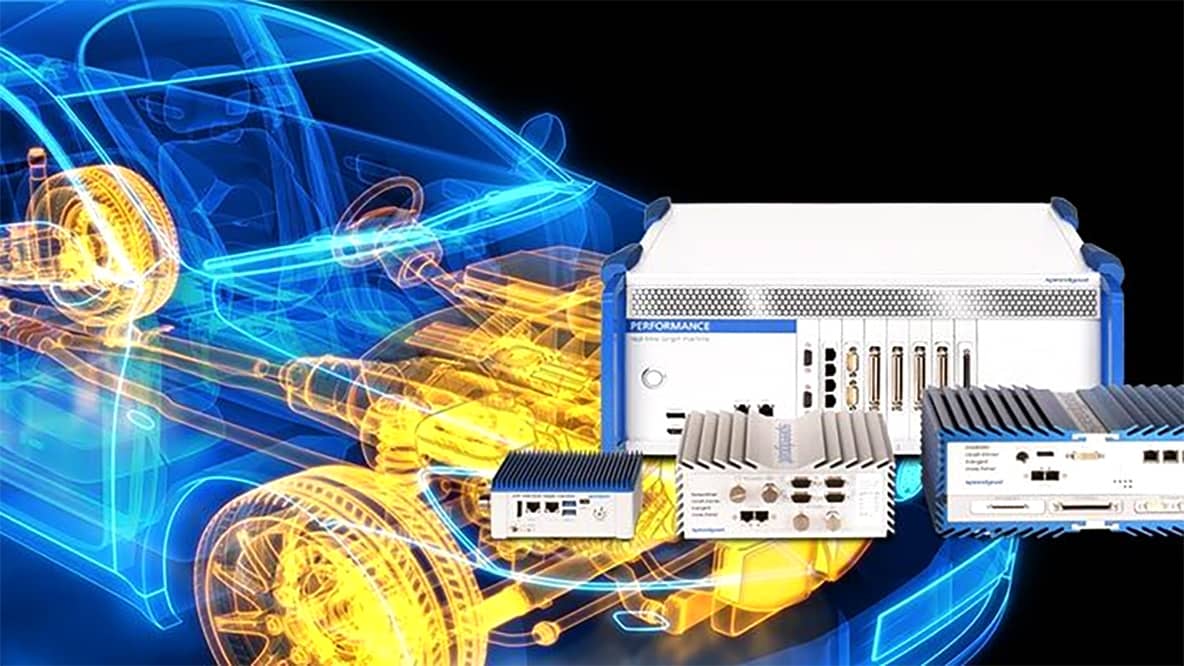
Real Time Simulation System
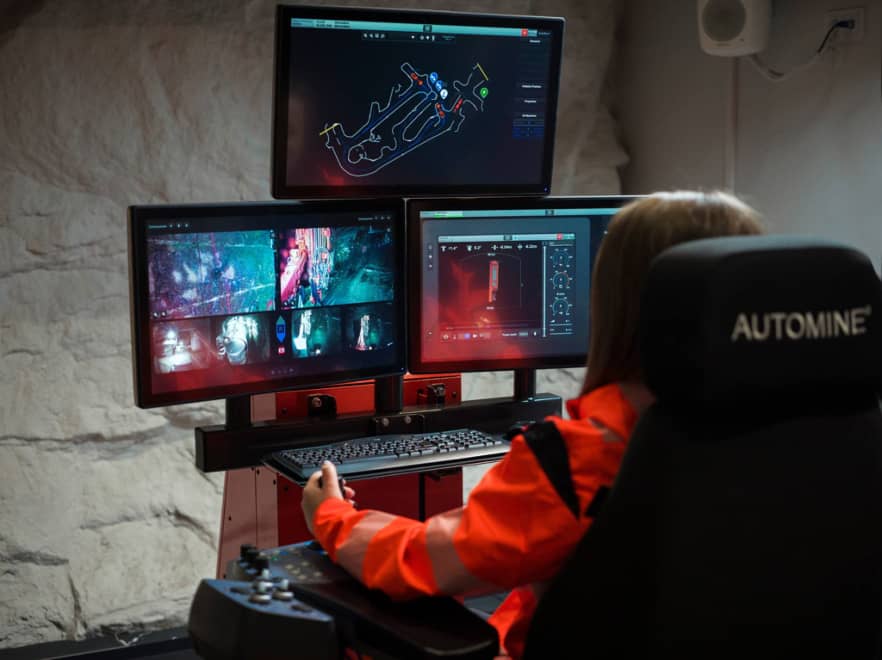
Automated Training Simulators
Topics