Automatic Weather Station
- Published inEducation
- Jun 23, 2024
- 1.53 Min
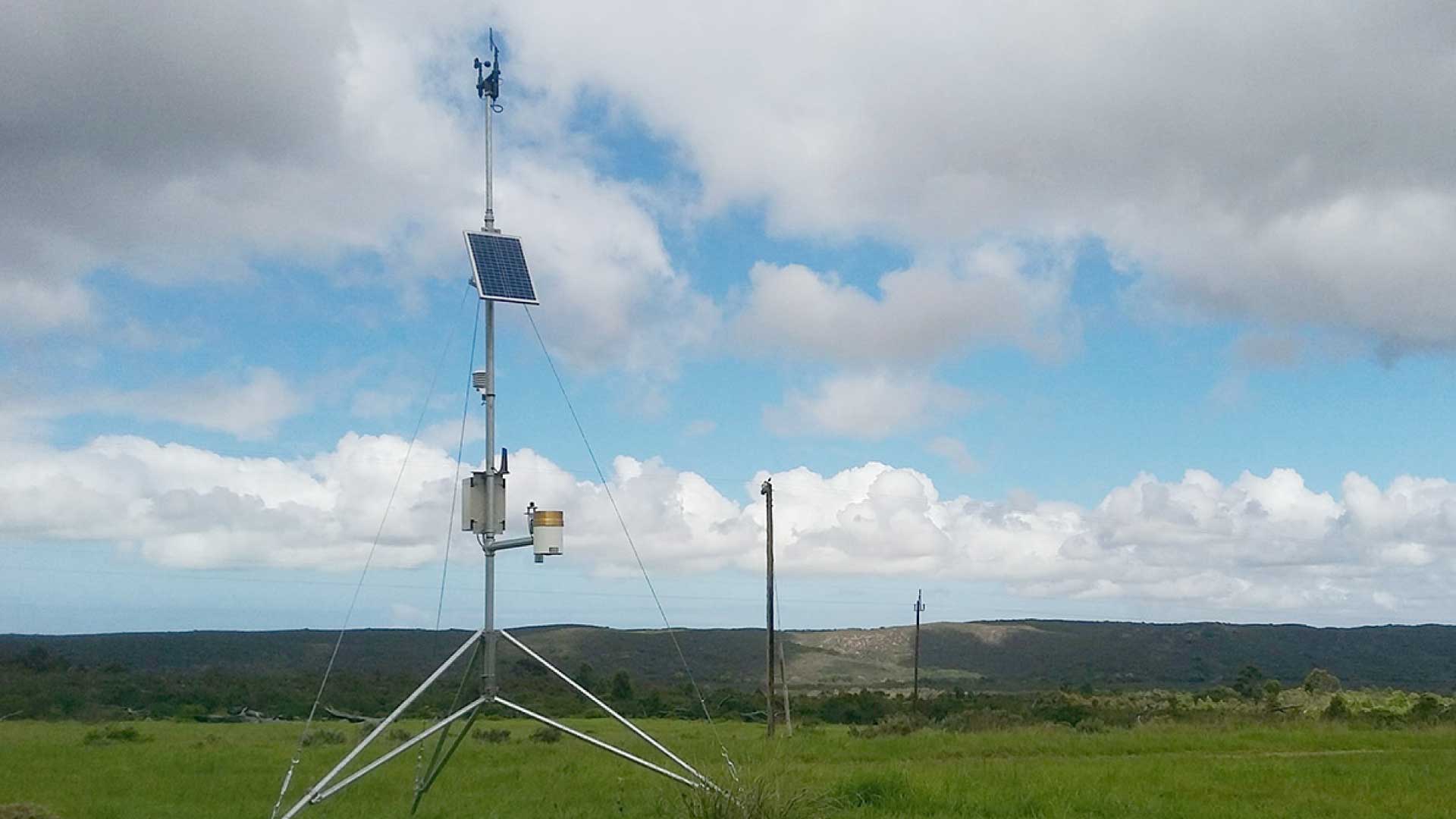
Weather monitoring plays a crucial role in agriculture, disaster management, research, and everyday planning. In Bangladesh, where climatic conditions are often unpredictable, having accurate weather data is essential. This is where an Automatic Weather Station (AWS) becomes a game-changer. By providing real-time weather information, AWS helps industries, farmers, and government agencies make informed decisions efficiently.
What is an Automatic Weather Station?
An Automatic Weather Station is a technological system designed to record and monitor meteorological data automatically. Unlike traditional weather stations that require manual observation, AWS collects information continuously using sensors. These sensors measure various parameters like temperature, humidity, wind speed, wind direction, rainfall, and solar radiation. The collected data is then transmitted to a central system for analysis, often in real-time.
Key Features of Automatic Weather Stations
Automatic Weather Stations come with advanced features that make them highly reliable and user-friendly:
-
Real-time Monitoring – AWS provides up-to-date weather information, which is essential for quick decision-making.
-
Remote Data Transmission – Using wireless communication or satellite links, data can be accessed remotely from anywhere.
-
Multi-parameter Sensors – They include sensors for temperature, humidity, wind speed, rainfall, and sometimes air quality.
-
Low Maintenance – With automatic data recording, human intervention is minimal, reducing operational costs.
-
Data Logging and Storage – AWS stores historical weather data, which can be useful for research and forecasting.
Importance of Automatic Weather Stations in Bangladesh
Bangladesh is highly prone to cyclones, floods, and other extreme weather events. Implementing AWS across the country offers numerous benefits:
-
Agriculture: Farmers can plan crop sowing, irrigation, and harvesting based on accurate weather predictions.
-
Disaster Management: Early warnings for cyclones and floods can save lives and minimize property damage.
-
Research and Education: Meteorologists, researchers, and students can access precise weather data for studies.
-
Urban Planning: Cities can monitor air quality and weather patterns for better infrastructure planning.
How Automatic Weather Stations Work
AWS uses a combination of sensors and data loggers. Sensors continuously measure environmental parameters, while data loggers record the measurements. The data is then transmitted through cellular, satellite, or internet networks to a central server. Advanced AWS can even generate automated weather reports and alerts for specific areas.
The Automatic Weather Station is no longer just a tool for meteorologists; it has become an essential technology for agriculture, disaster management, research, and urban planning in Bangladesh. With real-time monitoring, accurate forecasting, and minimal maintenance, AWS ensures that communities are better prepared for unpredictable weather conditions. As technology evolves, these systems will become even more sophisticated, making Bangladesh more resilient against climate challenges.
Related Industries

Forestry Management
Automatic Weather Station

Remote Sensing & Observation System
Augmented Reality (AR)
Virtual Reality (VR)
Integrated Testing & Calibration Solution
Real Time Simulation System
Automated Training Simulators
Topics