Forestry Management
- Published inEducation
- Jun 23, 2024
- 1.57 Min

Forestry Management is the systematic approach to caring for forests to ensure their health, productivity, and sustainability. With forests covering nearly 31% of the Earth’s land area, their management is crucial not only for timber production but also for biodiversity, climate regulation, and soil conservation. Effective forestry management practices balance ecological, economic, and social needs, creating long-term benefits for communities and the environment alike.
Importance of Forestry Management
Forests are vital for life on Earth. They act as carbon sinks, absorbing large amounts of carbon dioxide, which helps mitigate climate change. They protect watersheds, prevent soil erosion, and provide habitats for countless species of plants and animals. Poorly managed forests, on the other hand, can lead to deforestation, habitat loss, and environmental degradation. Forestry management ensures that forests continue to provide these essential ecosystem services while supporting human needs for wood, paper, and other forest products.
Key Principles of Sustainable Forestry
Sustainable forestry management focuses on maintaining forest health while meeting human demands. Key principles include:
-
Selective Logging: Harvesting only specific trees while preserving the overall structure of the forest.
-
Reforestation and Afforestation: Planting new trees to replace harvested ones and expanding forested areas where none existed before.
-
Soil and Water Conservation: Implementing practices that prevent erosion, protect water quality, and maintain soil fertility.
-
Biodiversity Preservation: Protecting endangered species and maintaining diverse habitats within forest ecosystems.
-
Community Engagement: Involving local communities in forest management to promote sustainable livelihoods and reduce illegal activities.
Modern Techniques in Forestry Management
Advancements in technology have transformed forestry management. Geographic Information Systems (GIS) and remote sensing allow forest managers to monitor forest health, track deforestation, and plan conservation efforts efficiently. Drones and satellite imagery help detect illegal logging activities, while computer modeling predicts forest growth and assists in sustainable harvesting plans. These modern tools not only increase efficiency but also minimize human impact on fragile ecosystems.
Challenges in Forestry Management
Despite advancements, forestry management faces several challenges. Illegal logging, urbanization, climate change, and pest infestations threaten forest health worldwide. Additionally, balancing economic needs with conservation efforts can be difficult, especially in developing countries where forest resources are critical for local livelihoods. Addressing these challenges requires strong policies, international cooperation, and community-based forest management initiatives.
Forestry Management is essential for ensuring the long-term health of our forests and the sustainability of resources they provide. By combining traditional knowledge with modern technology, and by prioritizing ecological, economic, and social factors, forestry management can create resilient forest ecosystems. Sustainable forestry practices not only protect our environment but also support economic growth and the well-being of communities around the world.
Related Industries

Forestry Management
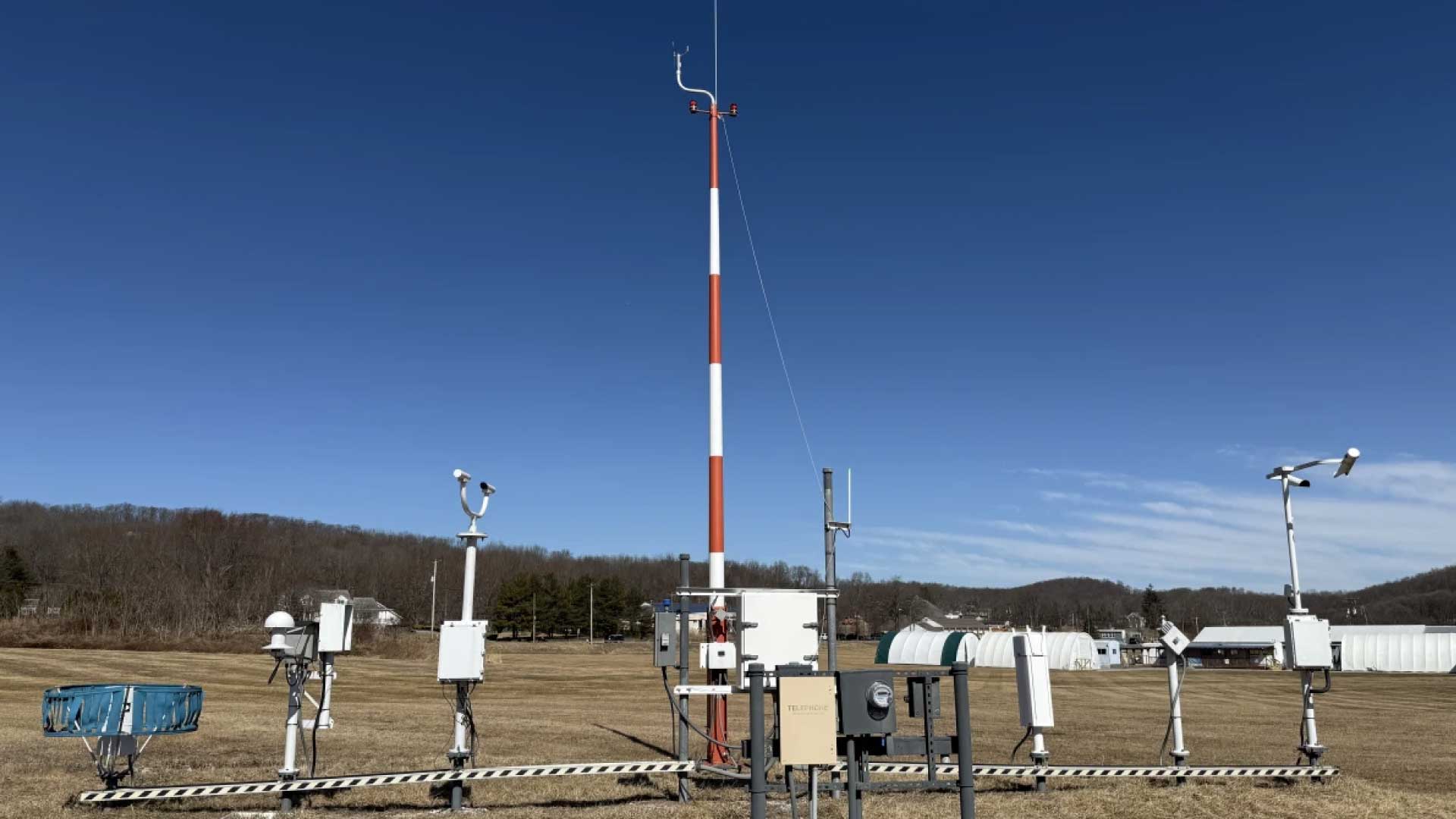
Automatic Weather Station

Remote Sensing & Observation System
Augmented Reality (AR)
Virtual Reality (VR)
Integrated Testing & Calibration Solution
Real Time Simulation System
Automated Training Simulators
Topics