PD Monitoring System
- Published inPower Utility
- Jun 27, 2024
- 2.33 Min
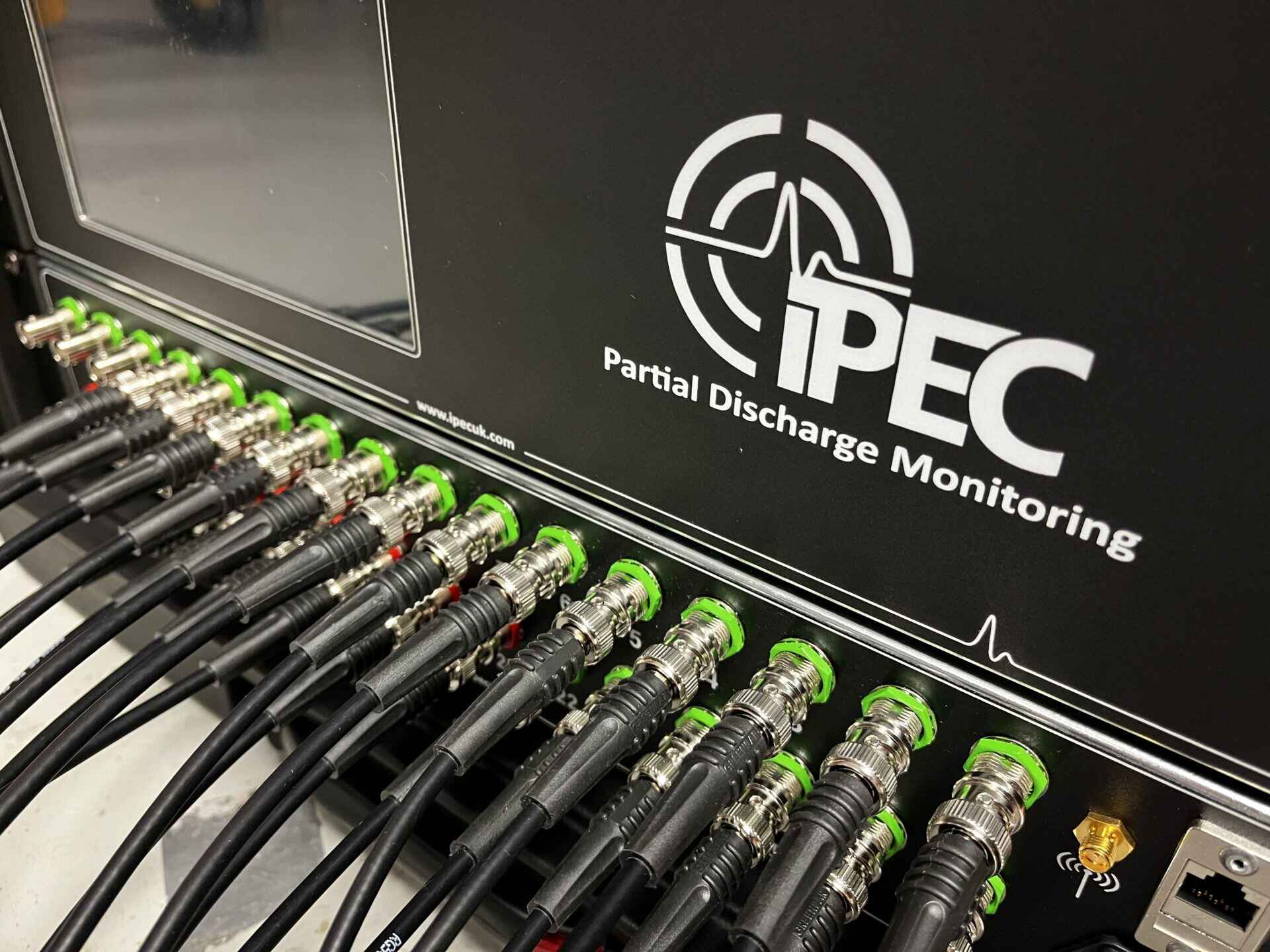
Partial Discharge (PD) is one of the most critical indicators of insulation deterioration in high-voltage electrical equipment. Detecting PD early can prevent catastrophic failures, reduce maintenance costs, and enhance the reliability of electrical systems. In Bangladesh, where industrial growth and urbanization are driving the demand for robust power infrastructure, PD monitoring systems are becoming increasingly important.
Partial discharges are small electrical sparks that occur within the insulation of transformers, switchgears, cables, and other high-voltage equipment. Although these discharges may not cause immediate failure, over time they degrade insulation materials, leading to unexpected breakdowns. A PD monitoring system helps in identifying these issues before they escalate into major problems.
Importance of PD Monitoring System in Bangladesh
Bangladesh's power sector is rapidly evolving with the expansion of industries, renewable energy projects, and urban infrastructure. With this growth comes the challenge of maintaining electrical equipment in optimal condition. Traditional maintenance methods, such as periodic inspections, are often insufficient to detect early-stage insulation defects. This is where PD monitoring systems play a crucial role.
By continuously monitoring electrical assets, PD monitoring systems provide real-time insights into the health of equipment. This proactive approach allows utility companies, industrial facilities, and renewable energy operators in Bangladesh to schedule maintenance efficiently, minimize downtime, and extend the lifespan of their equipment.
In high-voltage transformers, PD can originate from voids, cracks, or moisture in insulation. In switchgear, it can occur due to loose connections or contamination. PD monitoring systems detect these issues using various techniques, including ultrasonic detection, electrical pulse measurement, and high-frequency current transformers. Advanced systems often combine multiple methods for accurate detection and localization of discharges.
Another factor driving the adoption of PD monitoring in Bangladesh is the increasing reliance on renewable energy sources, such as solar and wind power. Solar farms and wind turbines involve complex electrical networks operating at high voltages. Any insulation failure can lead to costly downtime and reduced energy output. Implementing PD monitoring ensures the safety and reliability of these renewable energy installations.
PD monitoring systems are not only limited to large-scale utilities and industries. Medium-voltage networks in commercial buildings, data centers, and hospitals also benefit from early detection of insulation problems. By investing in PD monitoring, facility managers in Bangladesh can prevent costly equipment failures and ensure uninterrupted power supply.
Modern PD monitoring systems in Bangladesh are designed with user-friendly interfaces and advanced analytics. They provide visual dashboards, trend analysis, and alarm notifications, enabling technicians to take immediate action. Some systems also integrate with SCADA (Supervisory Control and Data Acquisition) platforms for centralized monitoring across multiple substations or plants.
The benefits of PD monitoring extend beyond operational efficiency. By reducing the risk of electrical faults, these systems contribute to workplace safety, protecting personnel from potential electrical hazards. They also support sustainability initiatives by minimizing energy losses and extending the lifecycle of electrical assets, which is crucial for a country like Bangladesh striving to meet growing energy demands.
In terms of investment, PD monitoring systems in Bangladesh are becoming more cost-effective due to local availability, technological advancements, and the increasing awareness of preventive maintenance strategies. Leading providers offer scalable solutions suitable for small installations to large power networks, ensuring that businesses and utilities of all sizes can adopt this technology.
For industries like textiles, manufacturing, and heavy machinery, where uninterrupted power supply is critical, PD monitoring can be a game-changer. It helps identify issues before they cause downtime, maintain production efficiency, and reduce unexpected maintenance costs. Similarly, power distribution companies can leverage PD monitoring to improve network reliability and enhance customer satisfaction.
As Bangladesh continues to modernize its power infrastructure, integrating PD monitoring systems becomes a strategic choice for ensuring reliability and sustainability. From transformers and switchgears to renewable energy installations, these systems provide the insight needed to prevent failures, optimize maintenance schedules, and support the country’s growing energy sector.
Related Industries

Power Generation
PD Monitoring System
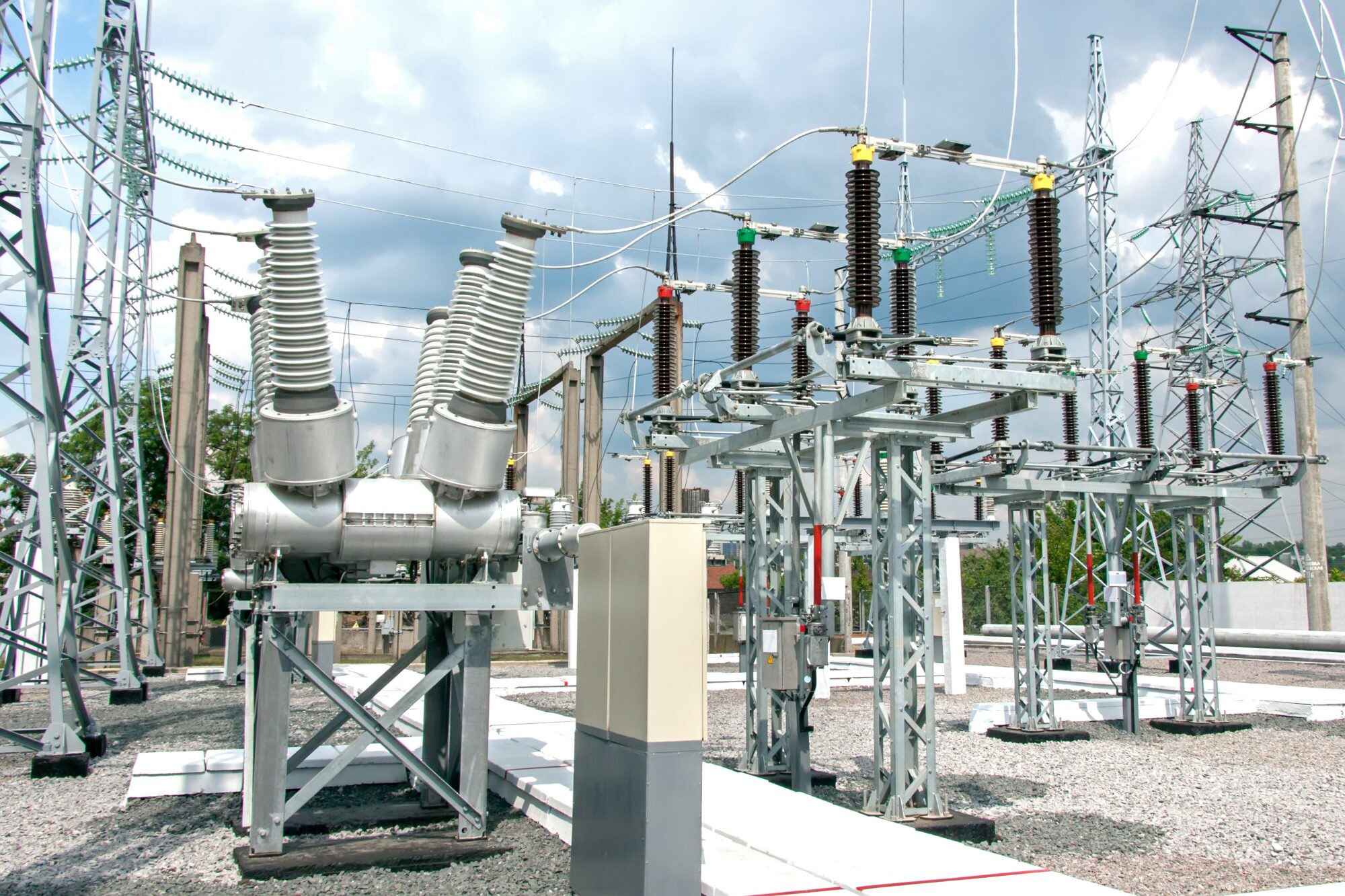
Substation Maintenance & Commissioning
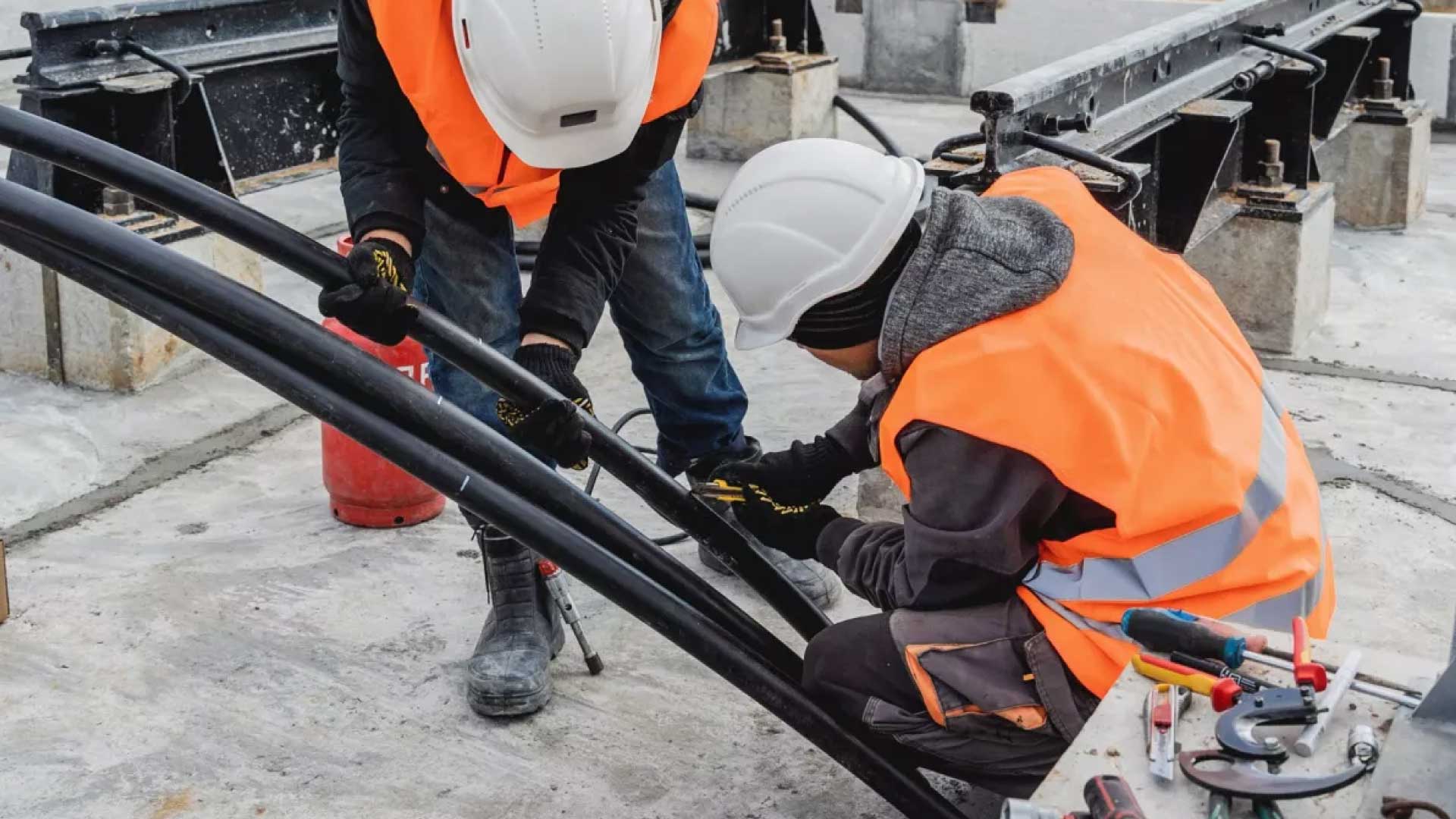
Underground Cable Fault Testing & Diagnostics
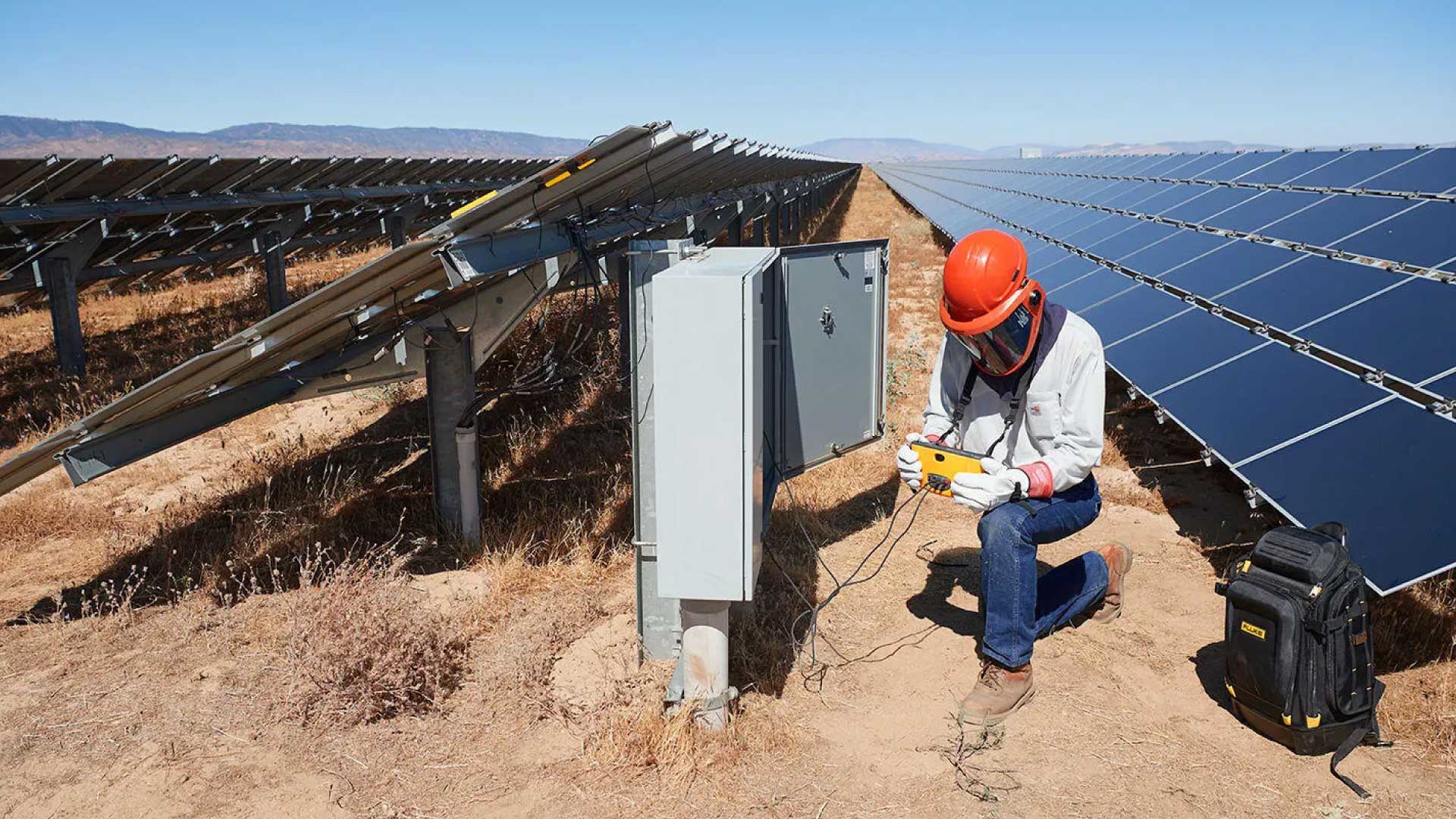
Solar Performance Testing Solution

Combustible Gas Analysis Solution
Topics