Power Generation
- Published inPower Utility
- Jun 27, 2024
- 1.88 Min
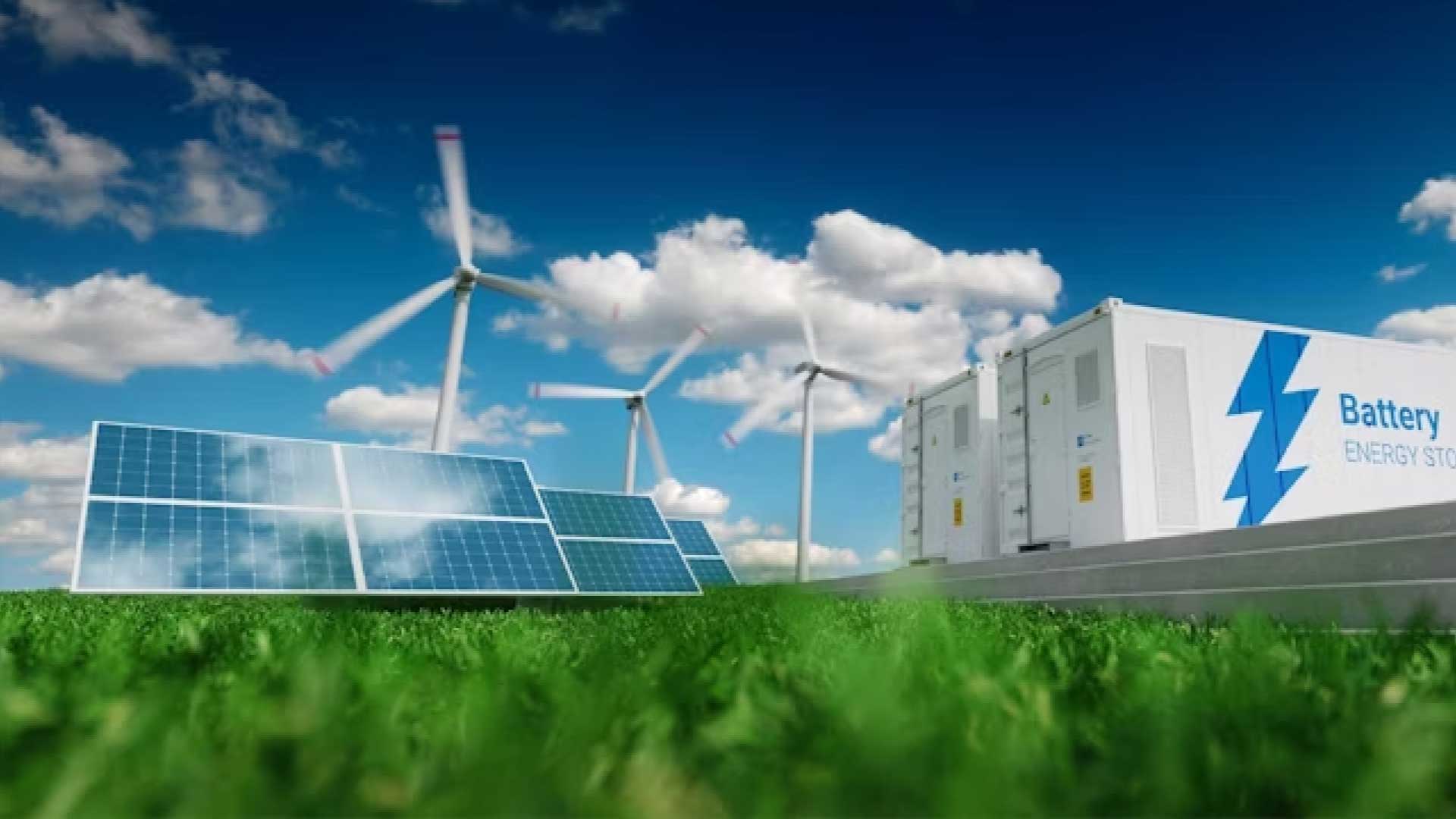
Bangladesh has witnessed a remarkable transformation in its power generation sector over the past few decades. From relying heavily on natural gas and imported energy to exploring renewable sources, the country is steadily moving towards energy security and sustainable development. The growing demand for electricity, driven by industrialization, urbanization, and a rising population, has made efficient power generation a national priority.
Current Landscape of Power Generation
The majority of electricity in Bangladesh comes from natural gas-based power plants, which account for nearly 50% of the total energy supply. These plants provide reliable electricity at a relatively low cost, making them a backbone for industrial and residential use. However, the depletion of domestic gas reserves and rising global fuel prices have urged the government to diversify its energy sources.
Coal-fired power plants are another significant component of Bangladesh’s energy mix. The government has initiated several large-scale coal projects to reduce dependency on natural gas and ensure a stable power supply. Despite environmental concerns, modern coal plants are being developed with cleaner technologies to minimize pollution.
In addition to fossil fuels, Bangladesh has invested in hydroelectric power, mainly through small-scale plants in the northern and northeastern regions. Hydropower offers a clean and renewable alternative, though its contribution remains limited due to geographical constraints.
Renewable Energy Development
Renewable energy is gaining traction in Bangladesh, driven by the global shift towards sustainable energy solutions. Solar power, in particular, has become increasingly popular. The government’s Solar Home System (SHS) program has already provided electricity to millions of rural households, reducing reliance on kerosene and improving living standards. Rooftop solar installations are also expanding rapidly in urban areas, contributing to both residential and commercial electricity needs.
Wind energy is another area with potential, especially in coastal regions. Although large-scale wind farms are still in the planning phase, small and medium-scale projects are gradually being implemented. Biomass energy, generated from agricultural and organic waste, is also emerging as a feasible solution for rural electrification.
Power Transmission and Distribution
Generating electricity is only part of the challenge; efficient transmission and distribution systems are essential to deliver reliable power. Bangladesh has made significant investments in upgrading its national grid, reducing transmission losses, and improving supply reliability. Smart grid technologies are being considered to optimize power flow, detect faults quickly, and manage peak demand effectively.
Energy efficiency initiatives are also being promoted to reduce wastage and maximize the benefits of existing power generation capacity. By encouraging the use of energy-efficient appliances and industrial equipment, Bangladesh aims to lower overall consumption while maintaining economic growth.
Government Policies and Future Prospects
The Bangladeshi government has implemented several policies to encourage investment in the power sector. Public-private partnerships, foreign direct investment, and international funding have accelerated the construction of new power plants. Policies focusing on renewable energy incentives, tax benefits, and streamlined regulatory procedures are helping attract investors.
Looking forward, Bangladesh plans to expand its energy portfolio further, including nuclear power and larger renewable projects. The goal is to ensure a stable, affordable, and environmentally friendly energy supply to meet the country’s long-term growth objectives.
Related Industries
Power Generation
PD Monitoring System
Substation Maintenance & Commissioning

Underground Cable Fault Testing & Diagnostics
Solar Performance Testing Solution

Combustible Gas Analysis Solution
Topics