Solar Performance Testing Solution
- Published inPower Utility
- Jun 27, 2024
- 2.33 Min
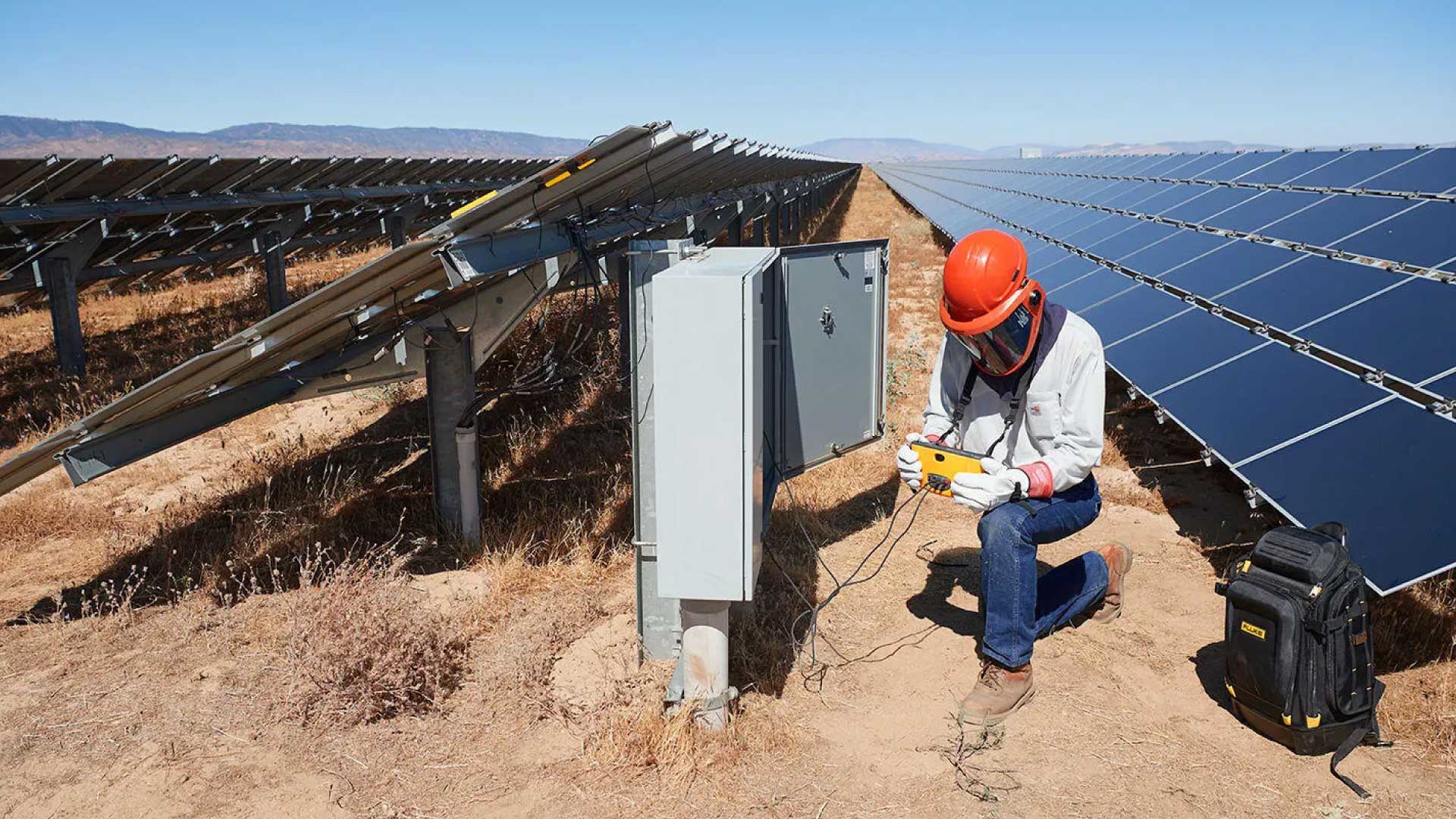
In today’s renewable energy landscape, solar energy has become a vital source of clean and sustainable power. As more businesses, homeowners, and industries adopt solar technology, the efficiency and reliability of solar systems have gained paramount importance. This is where a solar performance testing solution plays a crucial role, ensuring that solar panels and complete systems deliver optimal energy output while minimizing potential losses.
A solar performance testing solution encompasses a range of procedures and technologies designed to evaluate the efficiency, durability, and reliability of solar power systems. These tests are essential not only for newly installed solar systems but also for ongoing maintenance and quality assurance of existing setups. By measuring performance accurately, solar operators can maximize energy production and extend the life of their solar assets.
Components of Solar Performance Testing
-
Performance Ratio Analysis
One of the most important metrics in solar performance testing is the performance ratio (PR), which compares the actual energy output of a solar system to its theoretical output under standard conditions. A high PR indicates that the system is operating efficiently, while a low PR suggests issues such as shading, dirt accumulation, or malfunctioning equipment. Regular PR analysis helps operators detect performance drops early and implement corrective actions. -
I-V Curve Testing
I-V curve testing is a technical approach to measure the current-voltage characteristics of solar panels. By analyzing these curves, technicians can identify underperforming panels, potential defects, or degradation over time. This type of testing is crucial for large-scale solar farms and industrial installations, where even a minor underperforming module can significantly impact overall energy output. -
Infrared Thermography
Infrared (IR) thermography is a non-invasive testing method used to detect hotspots and thermal irregularities in solar panels. Hotspots can indicate issues such as damaged cells, poor soldering, or shading problems. By using thermal imaging cameras, operators can pinpoint problem areas quickly without disassembling the panels, saving time and costs. -
Electroluminescence (EL) Imaging
Electroluminescence testing involves applying an electrical current to solar panels in a dark environment and capturing images of the emitted light. This technique reveals micro-cracks, broken cells, and other hidden defects that may not be visible to the naked eye. EL imaging is particularly useful for identifying potential long-term issues that could reduce panel efficiency. -
Environmental & Weather Impact Analysis
Solar system performance is influenced by environmental factors such as temperature, humidity, dust, and sunlight intensity. Advanced solar performance testing solutions integrate weather data and environmental monitoring to provide a complete picture of system efficiency. This analysis helps operators understand seasonal variations, optimize maintenance schedules, and improve system design for future installations. -
Data Logging and Monitoring Systems
Modern solar performance solutions rely heavily on data logging and remote monitoring systems. These systems continuously collect real-time data from solar panels, inverters, and other components, providing operators with actionable insights. By using intelligent analytics and dashboards, solar system owners can track performance trends, detect anomalies early, and reduce downtime. -
Compliance and Certification Testing
For solar systems to meet industry standards and regulatory requirements, they must undergo compliance testing. Solar performance testing solutions ensure that installations comply with international standards such as IEC, UL, and local certifications. This not only guarantees safety and reliability but also helps in securing financial incentives, warranties, and insurance coverage.
Investing in a comprehensive solar performance testing solution is no longer optional; it is a necessity for anyone involved in solar energy production. Whether it is a rooftop installation, a commercial solar farm, or a utility-scale project, performance testing ensures that the system operates at peak efficiency while identifying potential issues before they escalate into costly failures.
By combining advanced measurement techniques, data analytics, and environmental monitoring, solar performance testing solutions empower operators to maximize energy output, optimize maintenance, and enhance the overall return on investment. In a market where efficiency and reliability are key, this testing solution becomes an indispensable tool for sustainable energy success.
Related Industries
Power Generation
PD Monitoring System
Substation Maintenance & Commissioning
Underground Cable Fault Testing & Diagnostics
Solar Performance Testing Solution
Combustible Gas Analysis Solution
Topics