Underground Cable Fault Testing & Diagnostics
- Published inPower Utility
- Jun 27, 2024
- 2.36 Min
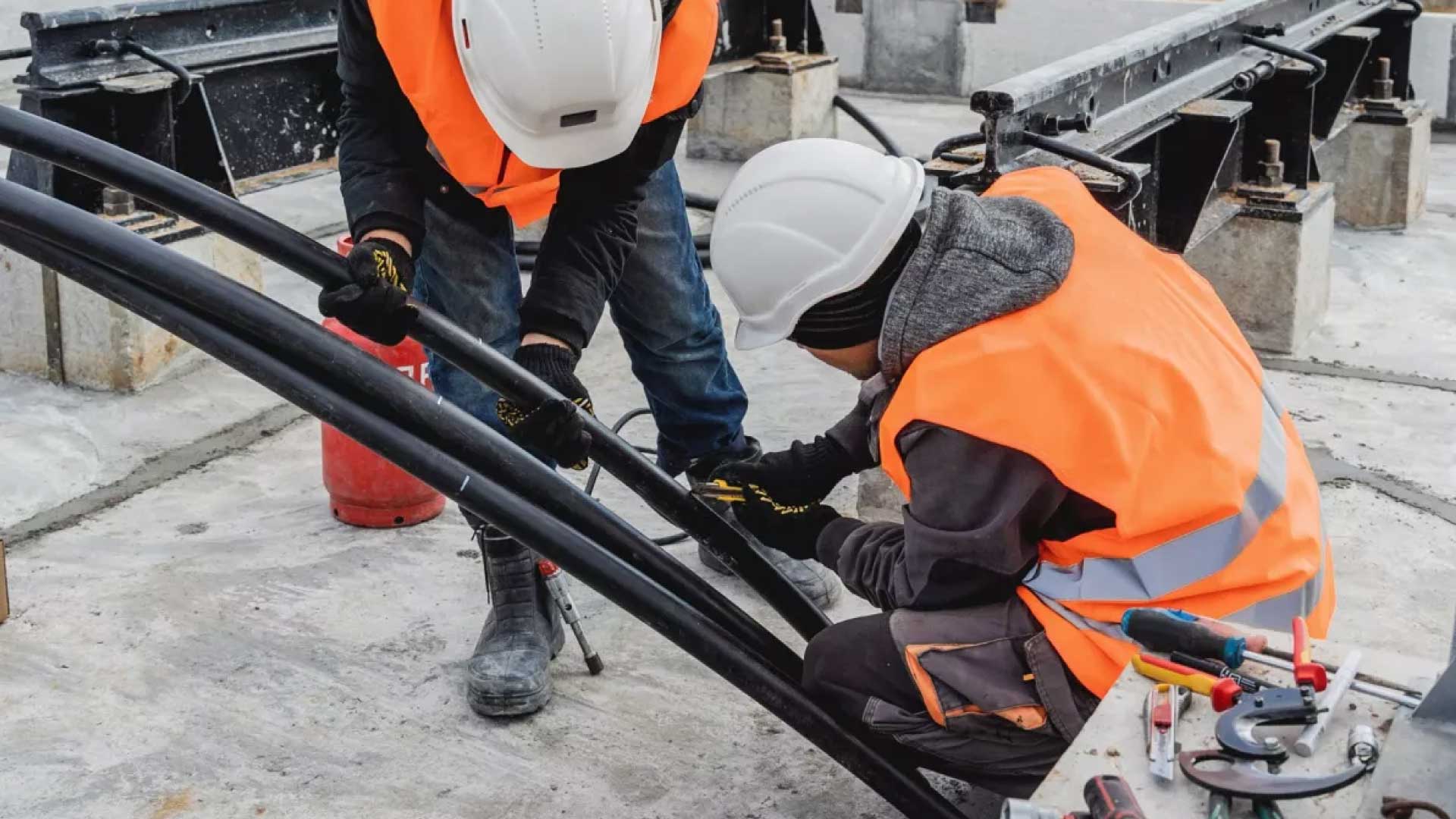
Underground cable fault testing & diagnostics are critical processes in ensuring the reliability and safety of electrical power distribution systems. As urban areas grow and power demand increases, the importance of maintaining a healthy underground cabling network cannot be overstated. Electrical faults not only cause service interruptions but can also lead to severe equipment damage and safety hazards if left undetected.
Importance of Underground Cable Fault Testing
Underground cables are often preferred over overhead lines for their aesthetic appeal and reduced vulnerability to weather-related damages. However, their buried nature makes fault detection challenging. Unlike overhead lines, where faults are visible, underground cable issues remain hidden until they cause significant operational problems. This is where advanced testing and diagnostic techniques become essential.
Regular underground cable fault testing helps identify potential weak points, insulation breakdowns, and other electrical irregularities before they escalate into major failures. Timely detection can prevent prolonged power outages, reduce maintenance costs, and enhance the lifespan of the cable network.
Common Causes of Underground Cable Faults
Understanding the root causes of underground cable faults is essential for accurate diagnostics. Some of the most common reasons include:
-
Insulation Degradation: Over time, the insulation surrounding cables can deteriorate due to moisture, chemical exposure, or thermal stress.
-
Mechanical Damage: Construction activities, digging, or accidental impacts can physically damage cables.
-
Environmental Factors: Water ingress, soil movement, or rodent activity can compromise cable integrity.
-
Overloading: Excessive current flow can overheat cables, leading to insulation failure and faults.
Identifying the exact cause of a fault is crucial for selecting the appropriate testing technique and ensuring effective repairs.
Techniques for Fault Detection and Diagnostics
Several advanced methods are used in underground cable fault testing & diagnostics. These techniques vary in complexity, accuracy, and suitability depending on the type of cable and the nature of the fault.
1. Time Domain Reflectometry (TDR)
Time Domain Reflectometry is a widely used method for detecting cable faults. TDR sends a low-voltage pulse through the cable and measures the time it takes for the reflection to return. The reflection occurs at the point of impedance change, such as a fault, allowing technicians to estimate its location accurately. TDR is particularly effective for pinpointing open-circuit and short-circuit faults.
2. Bridge Testing (Murray & Varley Methods)
Bridge testing methods, including Murray and Varley loops, are classical approaches for locating cable faults. These techniques measure the resistance of the cable and calculate the distance to the fault based on the ratio of resistances. Although they require some expertise, bridge testing is highly reliable for low-voltage and medium-voltage cable networks.
3. Insulation Resistance Testing
Insulation resistance testing evaluates the condition of the cable insulation by applying a high DC voltage and measuring the leakage current. Low insulation resistance indicates potential deterioration or moisture ingress. This method is often used for preventive maintenance and routine diagnostics.
4. Partial Discharge Testing
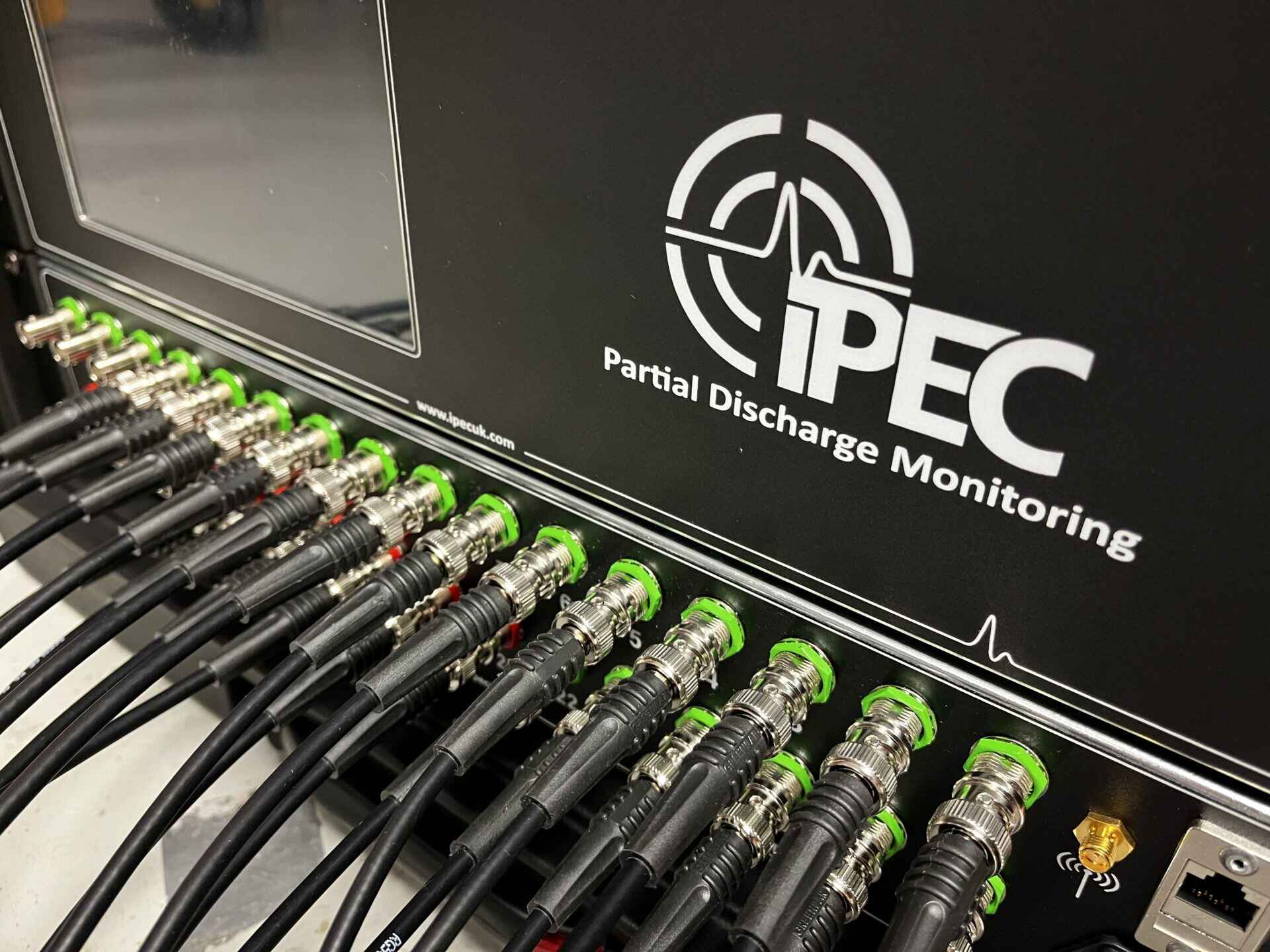
Partial discharge testing detects localized electrical discharges occurring within cable insulation before complete breakdown. It is an advanced diagnostic technique that identifies weaknesses in insulation materials, helping utilities prevent catastrophic failures.
5. Thump Testing
Thump testing involves sending high-voltage pulses through the cable to produce an audible sound at the fault location. The sound can be detected on the ground surface using specialized listening devices. This method is effective for pinpointing high-resistance faults but requires careful handling due to high voltage application.
Benefits of Professional Underground Cable Diagnostics
Conducting underground cable fault testing & diagnostics with professional equipment and expertise offers multiple advantages:
-
Reduced Downtime: Faults can be detected and repaired quickly, minimizing disruption to electricity supply.
-
Cost Efficiency: Early detection prevents extensive cable damage and costly emergency repairs.
-
Enhanced Safety: Identifying hazardous faults reduces the risk of electrical accidents and fire hazards.
-
Network Reliability: Consistent monitoring and diagnostics improve the overall performance of power distribution systems.
Incorporating routine underground cable testing into maintenance schedules ensures that potential issues are addressed proactively, keeping electrical networks safe, efficient, and reliable.
Related Industries

Power Generation
PD Monitoring System
Substation Maintenance & Commissioning
Underground Cable Fault Testing & Diagnostics
Solar Performance Testing Solution

Combustible Gas Analysis Solution
Topics