Substation Maintenance & Commissioning
- Published inPower Utility
- Jun 27, 2024
- 2.18 Min
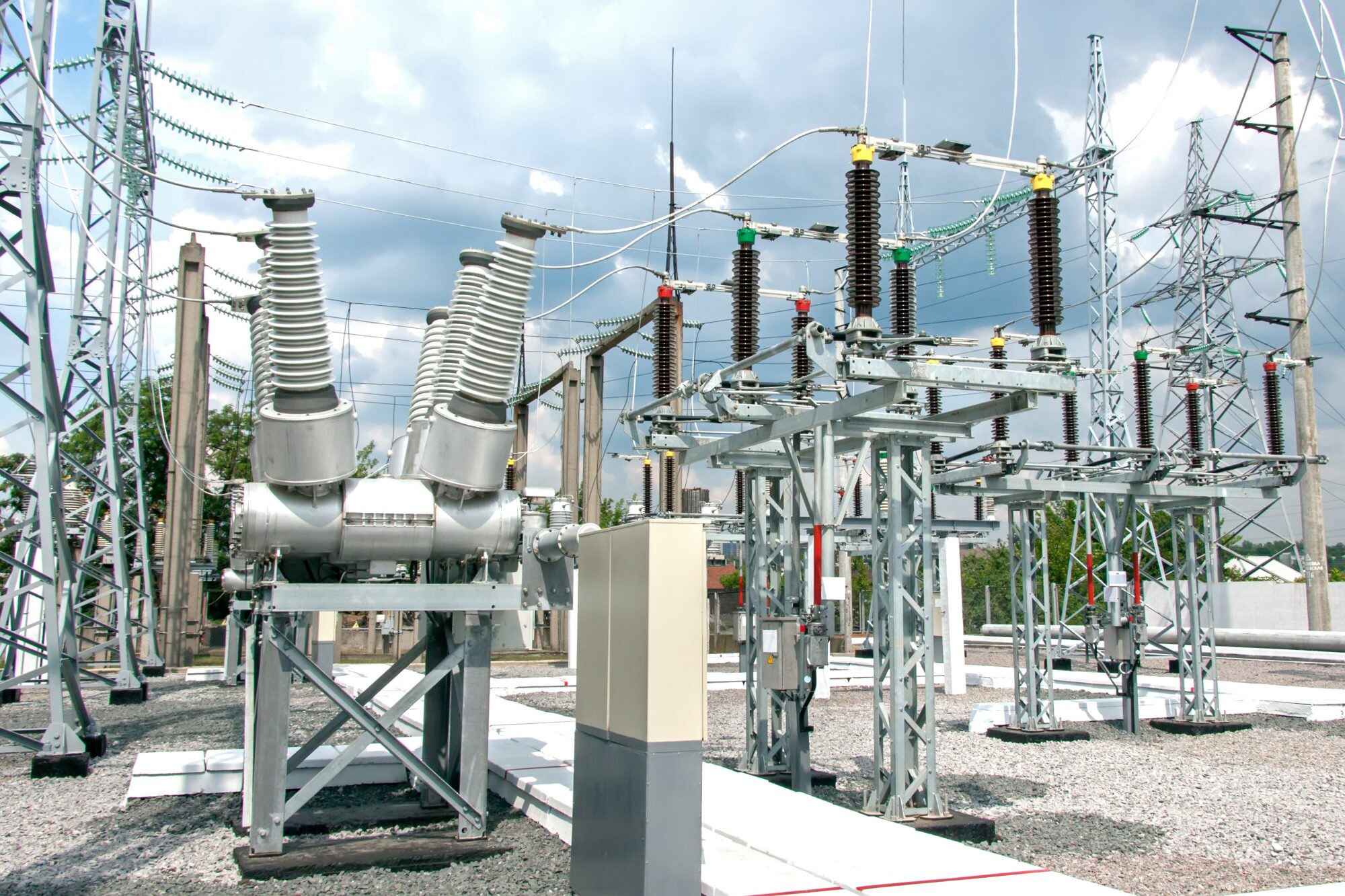
Substation maintenance and commissioning are critical processes in ensuring the reliable operation of electrical power systems. A substation serves as the backbone of power distribution, stepping up or stepping down voltages, connecting different parts of the network, and facilitating the safe flow of electricity. Proper maintenance and commissioning not only extend the lifespan of substation equipment but also prevent costly outages and enhance system efficiency.
Importance of Substation Maintenance
Regular maintenance of substations is essential to guarantee uninterrupted power supply. Electrical substations consist of high-voltage equipment, transformers, circuit breakers, disconnectors, relays, and control systems, all of which are prone to wear and tear over time. Neglecting maintenance can lead to insulation failure, overheating, equipment malfunction, and in extreme cases, power outages or safety hazards.
Maintenance activities can be broadly categorized into preventive, corrective, and predictive maintenance:
-
Preventive Maintenance: This involves scheduled inspections and routine servicing of substation equipment. Tasks include cleaning insulators, checking oil levels in transformers, tightening connections, and testing protective relays. Preventive maintenance aims to identify and address potential issues before they escalate.
-
Corrective Maintenance: When equipment shows signs of malfunction or damage, corrective measures are taken to restore normal operation. This may include replacing worn-out parts, repairing damaged components, or recalibrating devices.
-
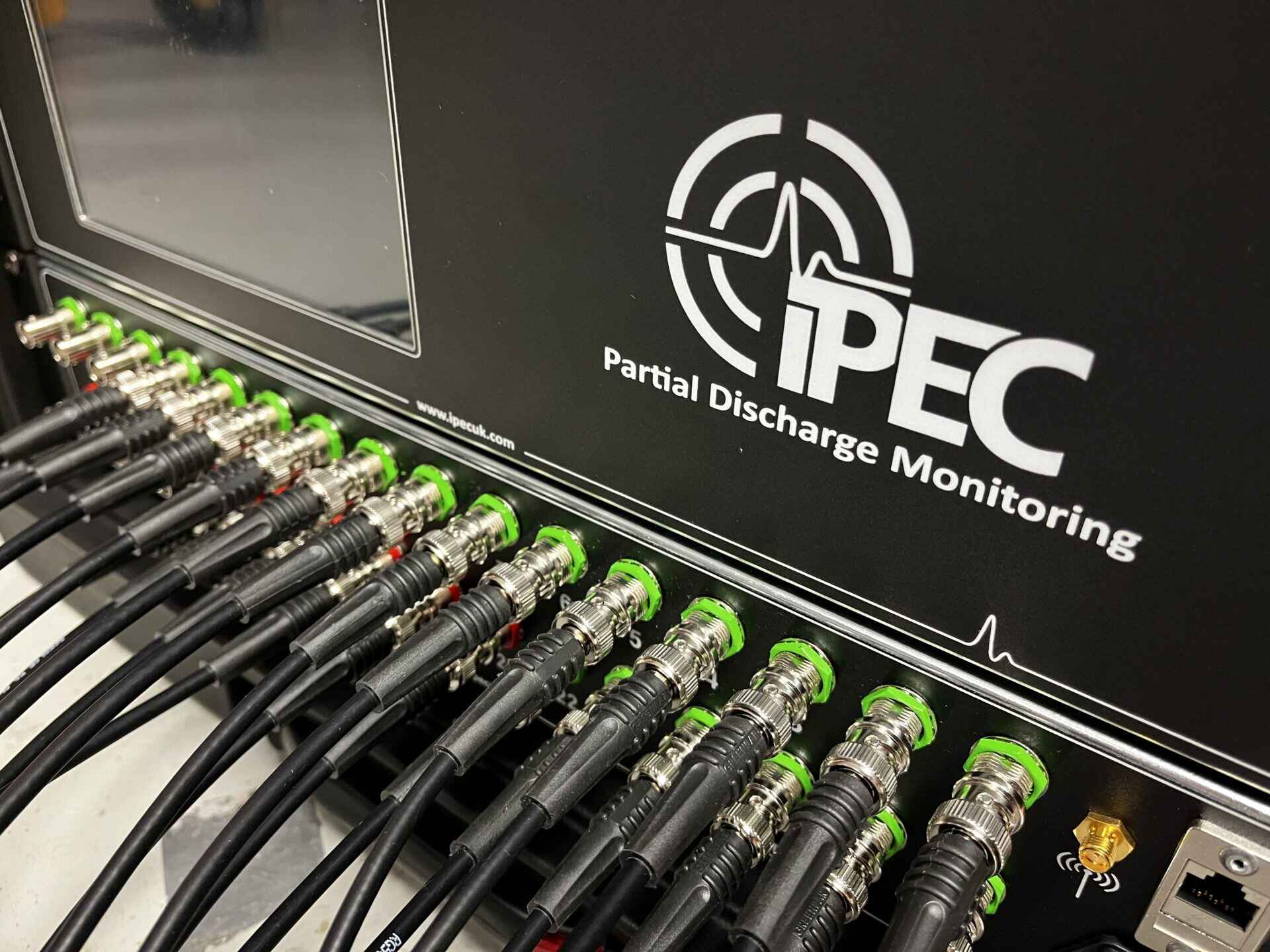
Predictive Maintenance: Advanced monitoring technologies, such as thermal imaging, vibration analysis, and partial discharge detection, allow engineers to predict equipment failures. Predictive maintenance helps optimize repair schedules and reduce unexpected downtime.
A well-maintained substation ensures the safety of personnel and equipment while enhancing operational efficiency. It also reduces the risk of unplanned outages, which can disrupt industrial processes, residential power supply, and critical infrastructure services.
Substation Commissioning Process
Commissioning is the process of testing and verifying that a substation is ready for operation after construction, major repairs, or equipment replacement. It ensures that all systems function according to design specifications and safety standards. The commissioning process is structured and follows several key steps:
-
Pre-Commissioning Inspection: Before energizing the substation, a thorough inspection is conducted. This includes visual checks for mechanical integrity, electrical connections, grounding systems, and proper installation of equipment.
-
Functional Testing: All substation components, including transformers, circuit breakers, relays, and protective devices, undergo functional testing. These tests verify operational performance, response times, and coordination between protective devices.
-
Electrical Testing: Electrical tests, such as insulation resistance tests, transformer turns ratio tests, and breaker timing tests, are conducted to ensure the equipment meets electrical standards. Accurate testing helps prevent equipment failures under load conditions.
-
System Integration Testing: The substation is integrated into the broader power network, and its performance is monitored under controlled conditions. This step verifies that communication, SCADA systems, and control circuits work seamlessly.
-
Commissioning Report: After successful testing, a detailed commissioning report is prepared, documenting test results, equipment parameters, and any observations. This report serves as a reference for future maintenance activities and regulatory compliance.
Commissioning not only confirms the readiness of the substation but also ensures the safety of the operational team and prevents premature equipment failure. Proper documentation and adherence to international standards, such as IEC or IEEE, are crucial during this phase.
Best Practices for Substation Maintenance & Commissioning
To optimize substation performance, utility companies and engineers follow several best practices:
-
Maintain a detailed maintenance schedule for all substation equipment.
-
Use modern diagnostic tools for predictive maintenance to anticipate issues.
-
Train personnel on safety protocols and emergency procedures.
-
Implement regular testing and calibration of protective relays and control systems.
-
Keep accurate records of maintenance activities, test results, and commissioning data.
By adhering to these practices, substations can achieve high reliability, reduce operational costs, and ensure continuous power supply to end-users.
Related Industries
Power Generation
PD Monitoring System
Substation Maintenance & Commissioning
Underground Cable Fault Testing & Diagnostics
Solar Performance Testing Solution

Combustible Gas Analysis Solution
Topics