Compression Test
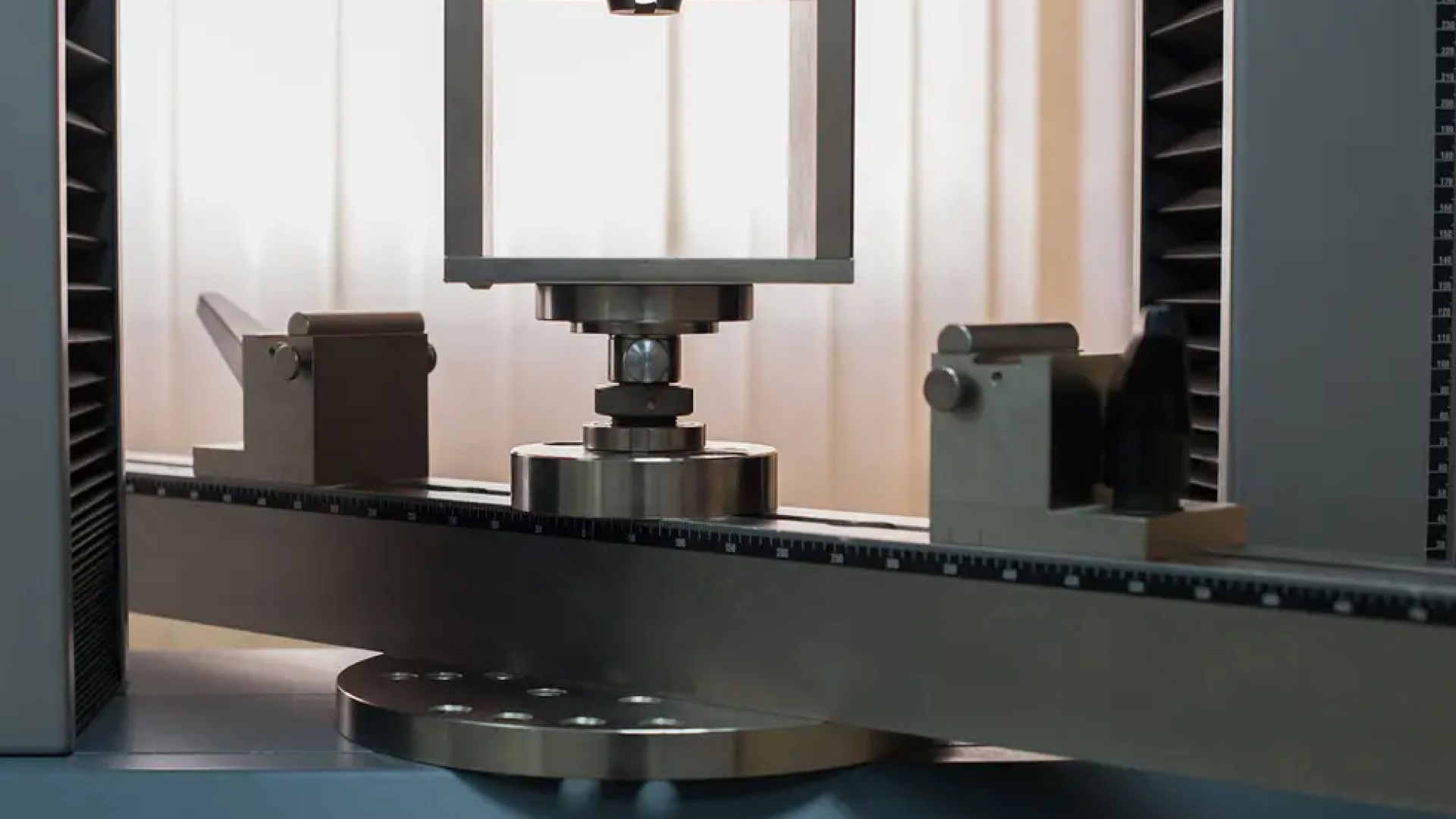
In the world of engineering and construction, material testing plays a vital role in ensuring the strength, durability, and safety of materials used in various projects. Among the different types of material testing methods, the compression test is one of the most widely used techniques to evaluate the mechanical properties of materials. This test helps engineers and manufacturers understand how a material behaves when subjected to a compressive force, making it crucial for quality assurance in construction, manufacturing, and research.
What is a Compression Test?
A compression test is a mechanical test that measures how a material reacts when a compressive force (a pushing or squashing load) is applied to it. The main objective is to determine the material’s compressive strength, which is the maximum stress it can withstand before failing or deforming permanently.
This test is commonly performed on materials like:
-
Concrete
-
Metals
-
Plastics
-
Composites
-
Wood
By applying controlled force using a compression testing machine, engineers can observe the deformation, elasticity, and breaking point of the material.
Importance of Compression Testing
Compression testing is essential for several reasons:
-
Quality Control:
Industries use compression tests to ensure that the materials meet specific quality standards and can handle the loads they will face in real-world applications. -
Safety Assurance:
The structural integrity of buildings, bridges, and other constructions depends on the strength of the materials. Compression testing ensures these materials are safe for use. -
Research and Development:
Scientists and engineers use compression data to develop new materials with better strength and durability. -
Predicting Performance:
Compression tests help predict how a material will behave under stress over time, which is crucial for long-term applications.
Compression Test Procedure
The compression test is usually performed using a universal testing machine (UTM). The process involves the following steps:
-
Sample Preparation:
A specimen is prepared in standard shapes (such as cubes, cylinders, or prisms) with precise dimensions. -
Placing the Specimen:
The prepared specimen is placed between two compression plates of the testing machine. -
Applying the Load:
A compressive load is applied gradually and uniformly to the specimen. -
Recording Data:
The machine records the stress and strain experienced by the material until it deforms or fractures. -
Analyzing Results:
The maximum load and the corresponding deformation provide data to calculate the compressive strength and other mechanical properties.
Applications of Compression Testing
Compression testing is widely used across various industries:
-
Construction: To test concrete blocks, bricks, and cement for structural projects.
-
Automotive and Aerospace: To ensure metal components can withstand extreme forces.
-
Packaging Industry: To check the strength of packaging materials like cardboard boxes.
-
Research: To study the properties of advanced materials like composites and polymers.
The compression test is an indispensable tool in material testing, ensuring the safety, reliability, and performance of materials in diverse industries. By understanding a material’s behavior under compressive forces, engineers can make informed decisions, enhance product designs, and improve structural safety.
In an era where innovation and safety go hand in hand, compression testing remains a cornerstone in building a stronger, more durable world.
Share This Wings
Related Post
Material Testing Lab

Biomedical Lab

Food Testing Lab
Education & R&D Lab
Metrology Lab
Calibration Lab

IT & Cyber-Security Lab

Simulation Lab

Port Management

Traffic Management

Border Management

Security Surveillance

Smart Lighting & Lightning
Tensile Strength Test

Hardness Test
Impact Test (Charpy/Izod)
Compression Test

Healthcare Laboratory
Medical Device Calibration

Quality & Safety Testing

Research & Development Support

Proximate Analysis

Microbiological Testing

Nutritional Labeling & Fortification

Safety & Compliance Testing

Chemistry Lab
Physics Lab

Biology Lab

Environmental Science Lab

Laboratory Accreditation

Quality Assurance Consultancy
Topics