Hardness Test
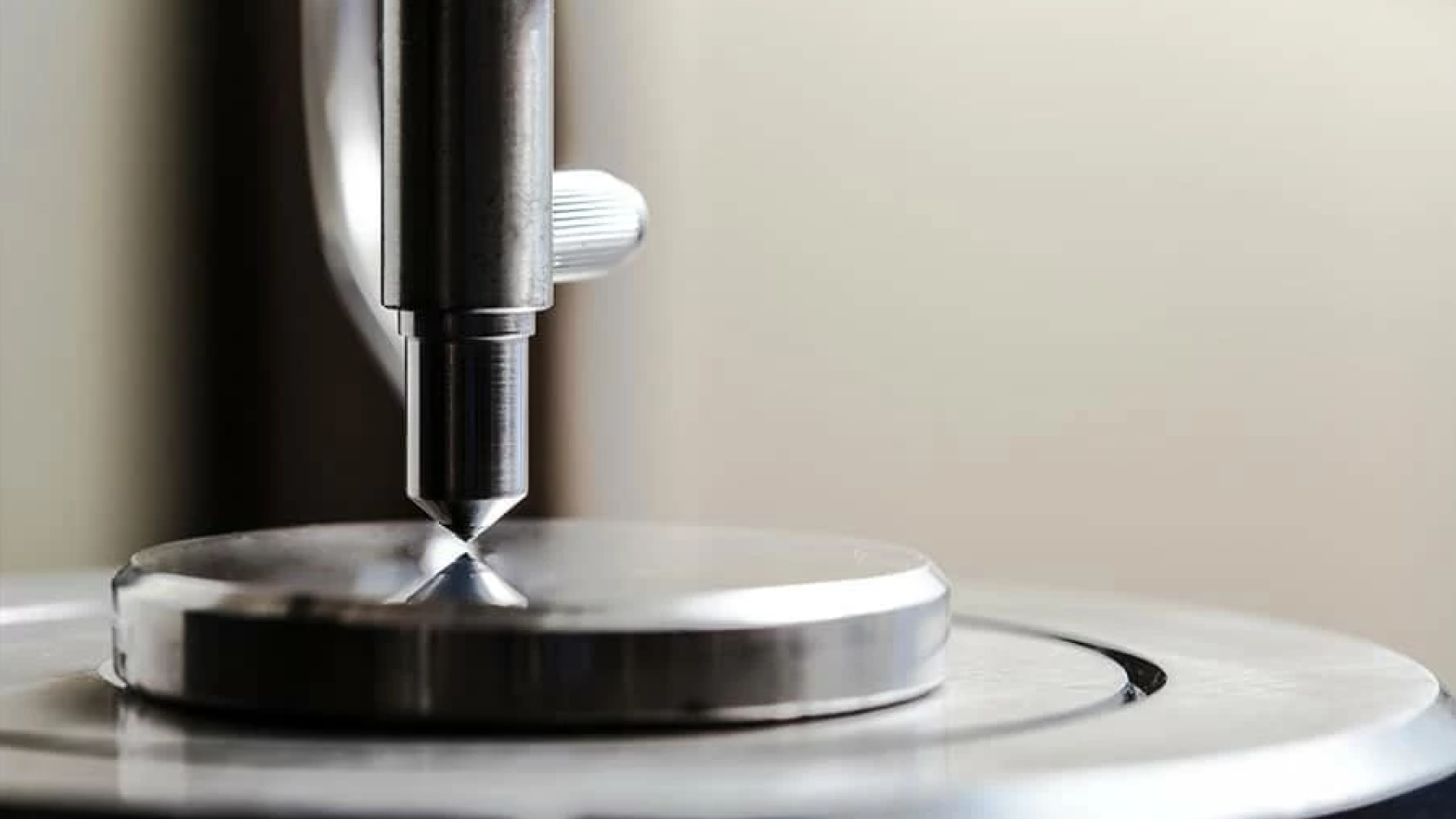
Material testing plays a crucial role in ensuring the quality, safety, and reliability of engineering materials. Among the various testing methods, hardness testing is one of the most commonly used techniques to determine a material’s resistance to deformation, scratching, or indentation. It provides valuable insights into the material’s mechanical properties, which are essential in industries such as construction, manufacturing, aerospace, and automotive engineering.
What is Hardness Testing?
Hardness testing is the process of determining how resistant a material is to a permanent change in shape when a force is applied. Unlike other mechanical tests that measure bulk properties such as tensile strength or elasticity, hardness tests focus on the material’s surface.
The results of hardness testing help engineers choose the right material for specific applications. For example, harder materials like steel are often used in tools and machinery parts because they resist wear and tear, while softer materials are chosen for applications where flexibility and ductility are more important.
Importance of Hardness Testing
Hardness testing is crucial for several reasons:
-
Quality Control: It ensures that materials meet required standards before being used in production.
-
Wear Resistance Evaluation: Harder materials often have better wear resistance, which is essential for components like gears, bearings, and cutting tools.
-
Heat Treatment Verification: Heat treatment processes like quenching or tempering change the hardness of materials; testing confirms the effectiveness of these processes.
-
Material Identification: Sometimes, hardness testing helps identify unknown materials by comparing them to standard reference values.
Common Hardness Testing Methods
There are several methods of hardness testing, each suitable for different materials and applications.
1. Brinell Hardness Test (BHN)
The Brinell test involves pressing a hardened steel or tungsten carbide ball into the material’s surface under a specific load. The diameter of the indentation left is measured to determine hardness.
-
Common Use: Testing softer metals like aluminum, copper, and cast iron.
2. Rockwell Hardness Test (HR)
This method measures the depth of penetration under a minor and a major load using a steel ball or a diamond cone (called a brale). It is quick and widely used for production testing.
-
Common Use: Suitable for metals, polymers, and plastics.
3. Vickers Hardness Test (VHN)
The Vickers test uses a diamond-shaped indenter pressed into the material’s surface. The hardness value is calculated based on the size of the indentation.
-
Common Use: Ideal for testing thin materials or coatings due to its precision.
4. Mohs Hardness Scale
A simple test that compares a material’s ability to resist scratching by another material. The scale ranges from 1 (talc) to 10 (diamond).
-
Common Use: Testing minerals and ceramics.
Applications of Hardness Testing
-
Construction: Evaluating the durability of structural metals and concrete.
-
Automotive: Assessing the wear resistance of engine components.
-
Aerospace: Ensuring the strength and reliability of aircraft materials.
-
Manufacturing: Quality control for tools, dies, and machinery parts.
Hardness testing is a fundamental part of material testing that provides crucial information about a material’s resistance to wear, deformation, and mechanical stress. By selecting the right testing method, industries can ensure that materials meet required standards, perform reliably under operating conditions, and enhance the longevity of their products.
In today’s competitive world, where safety and performance are paramount, hardness testing remains a key factor in the material selection and quality assurance process.
Share This Wings
Related Post
Material Testing Lab
Biomedical Lab
Food Testing Lab
Education & R&D Lab
Metrology Lab
Calibration Lab

IT & Cyber-Security Lab

Simulation Lab

Port Management

Traffic Management

Border Management

Security Surveillance

Smart Lighting & Lightning
Tensile Strength Test
Hardness Test
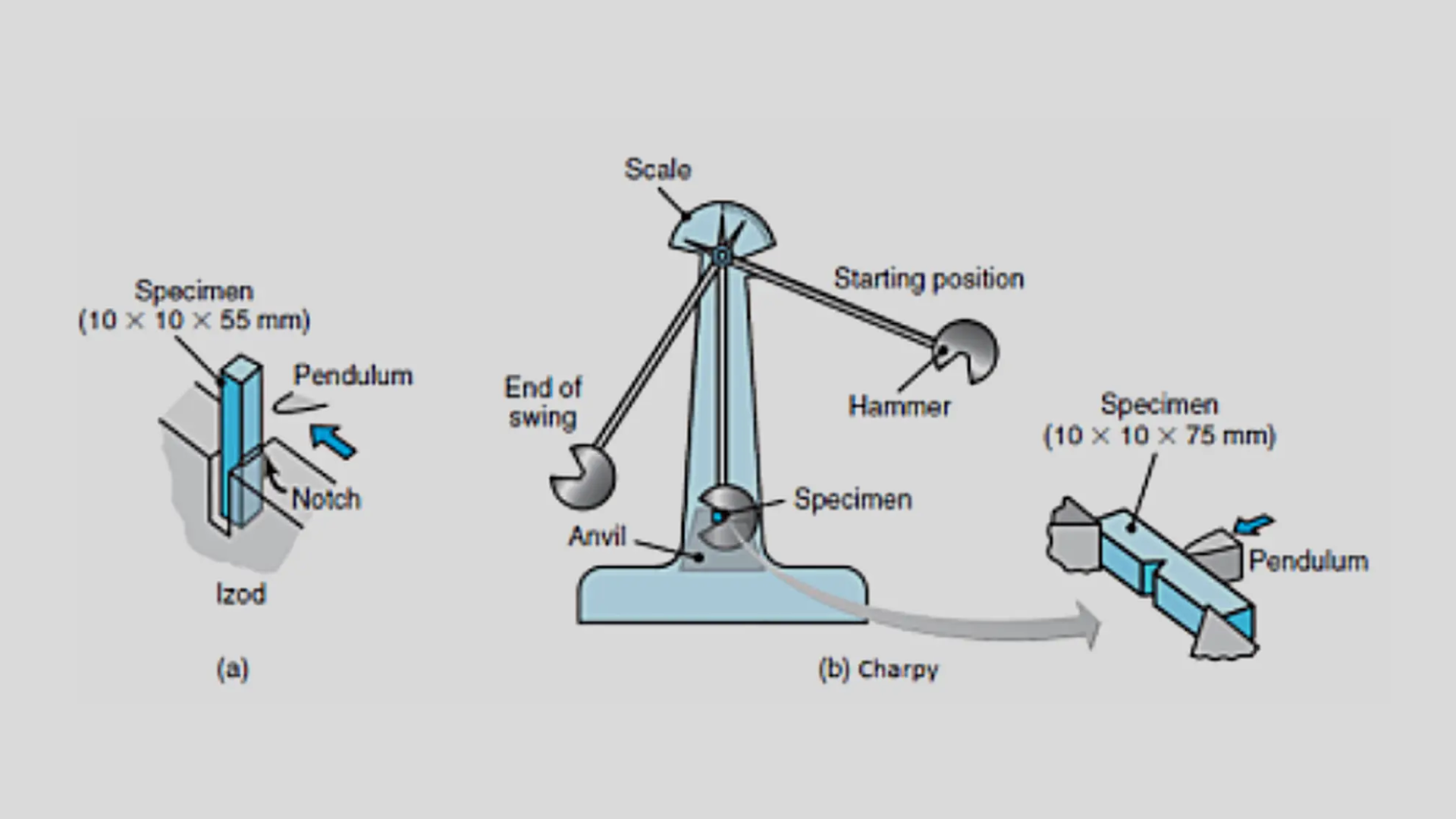
Impact Test (Charpy/Izod)
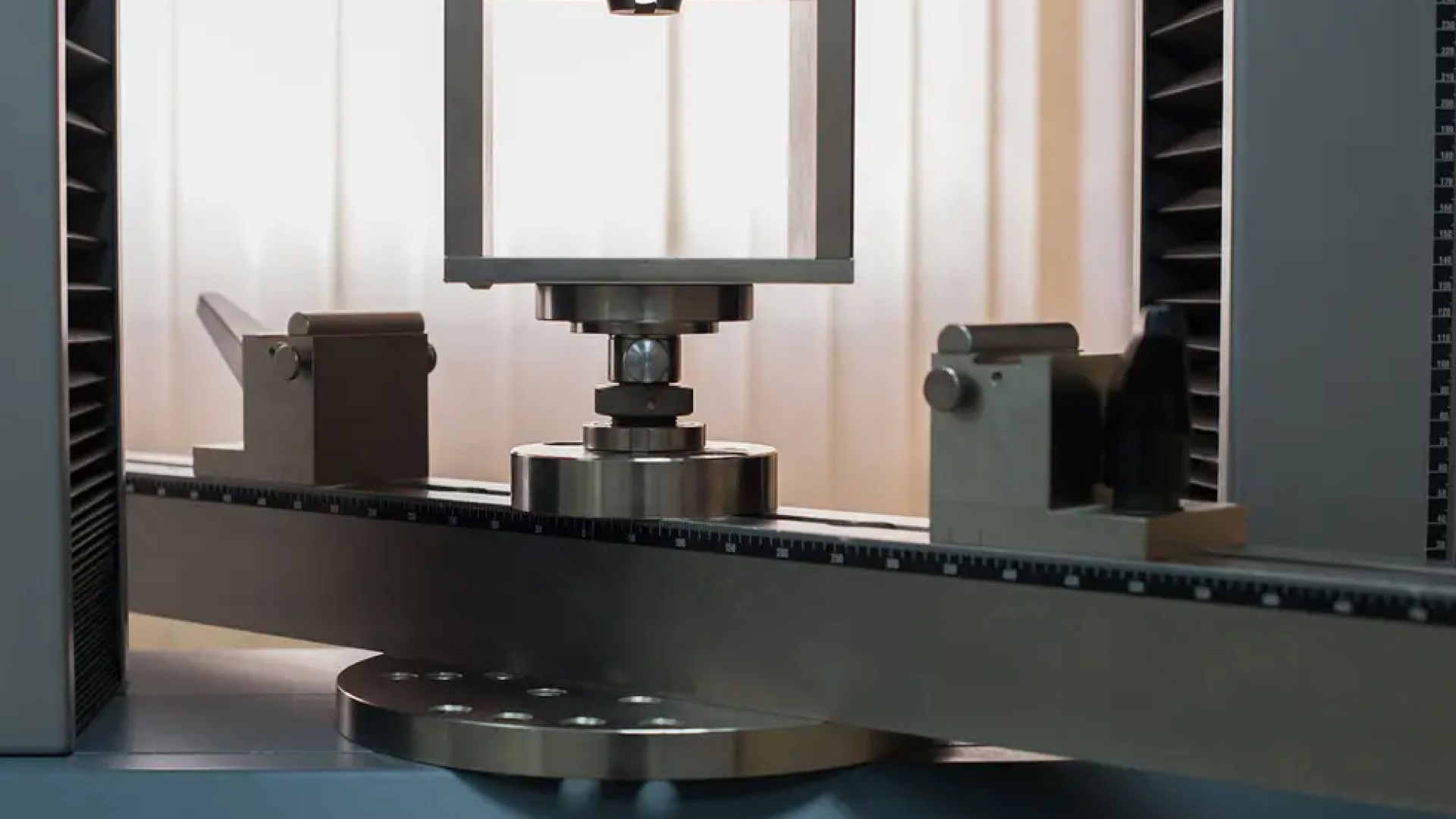
Compression Test

Healthcare Laboratory
Medical Device Calibration
Quality & Safety Testing

Research & Development Support
Proximate Analysis

Microbiological Testing
Nutritional Labeling & Fortification

Safety & Compliance Testing

Chemistry Lab
Physics Lab
Biology Lab

Environmental Science Lab

Laboratory Accreditation

Quality Assurance Consultancy
Topics